
Injection molding is a widely used manufacturing process for producing precise and complex plastic components. However, one of the most common causes that can significantly impact product quality and production efficiency is the short shot.
A short shot occurs when the molten plastic fails to completely fill the mold cavity, resulting in incomplete or defective parts. For injection molding engineers and manufacturing managers, understanding the causes and solutions of short shots is essential to maintaining high standards and efficient production.
This article explores the main causes of injection molding short shot and offers proven strategies to prevent and address this issue, helping manufacturers optimize their injection molding process and achieve consistent, fully formed plastic parts.
What Is Injection Molding Short Shot?
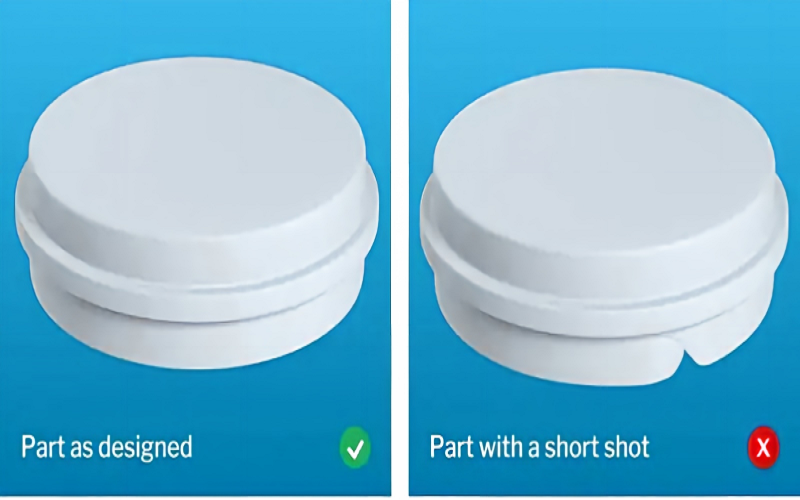
“Short shot” in injection molding is a common defect where molten plastic fails to completely fill the mold cavity. This injection molding defect results in incomplete parts, showing areas with missing material or thin walls caused by incomplete filling.
Depending on mold design, material properties, and processing conditions, the short shot problem can manifest in various forms. It typically appears as visible voids, incomplete edges, or missing sections on the molded part.
Short shots are considered a serious injection molding defect. They not only affect the appearance and dimensional accuracy but also cause material waste, machine idle time, increased labor costs, and can lead to customer dissatisfaction and loss of business.
Short shots are among various defects that affect product quality. Other defects include sink marks, burn marks, and various issues related to material flow and cooling.
Identifying and resolving short shot problems is crucial for producing high-quality plastic parts and maintaining efficient production processes.
What Causes Short Shot In Injection Molding?
To understand the causes of short shots, it is essential to first grasp the concept of “shot” in injection molding. “Shot” refers to the precise volume of molten plastic injected into the mold during each molding cycle.
If the shot size is insufficient or the material flow is obstructed, the mold cavity will not fill completely, resulting in a short shot.
It is one of the most common defects in injection molding and is usually caused by a combination of factors including process parameters, material properties, mold design, and equipment condition.
Insufficient Injection Pressure
Injection pressure is critical for driving the molten plastic through the mold’s complex geometry and long flow paths. Inadequate injection pressure or low injection speed can cause the molten plastic to lose momentum before the entire mold cavity is filled.
This results in incomplete filling and short shot defects. Increasing injection pressure helps overcome flow resistance and ensures the plastic material reaches deep cavities and thin walls.
Insufficient Material Supply
Insufficient material supply is a straightforward but common cause of short shots. If the shot size (i.e., the volume of plastic material injected) is set too low, there will not be enough material to fill the mold completely.
Ensuring the injection machine is programmed with an adequate shot size and that the raw material feed is consistent is essential to avoid this problem.
Poor Mold Design And Inadequate Venting
Mold design plays a significant role in preventing short shots. Poorly designed gates, runners, and entry points can restrict material flow, increasing resistance and leading to incomplete cavity filling.
Additionally, inadequate venting traps air inside the mold cavity, creating back pressure that blocks the molten plastic from flowing completely. Proper venting, including vent slots and holes positioned at the last filling points, helps air escape and facilitates smooth mold filling.
Material Viscosity Issues
The flow properties and viscosity of the plastic material affect how easily it moves through the mold. High viscosity materials resist flow and are more prone to short shot defects, especially in molds with complex geometries or thin walls.
Material temperature and melt temperature directly influence viscosity; cold material or low melt temperature increases viscosity, hindering flow and causing incomplete filling.
Mold Temperature and Cooling
A low mold temperature can cause the molten plastic to solidify prematurely upon contact with the mold preventing the mold from filling completely walls,
Proper mold temperature management, including preheating the mold to the process-required temperature, ensures the plastic material remains fluid long enough to fill the entire mold cavity.
Inappropriate Injection Machine
Machine settings such as back pressure, injection rate, and cycle time affect the injection molding process. Incorrect machine parameters can lead to insufficient injection pressure or slow injection speed, both of which contribute to short shots.
Regular monitoring and optimization of injection parameters are necessary to maintain proper mold filling and avoid defects.
By addressing these causes through optimized mold design, precise control of injection parameters, proper material handling, and thorough process monitoring, manufacturers can significantly reduce the occurrence of short shots and improve the quality and consistency of injection molded parts.
How To Avoid Short Shots In Injection Molding ?
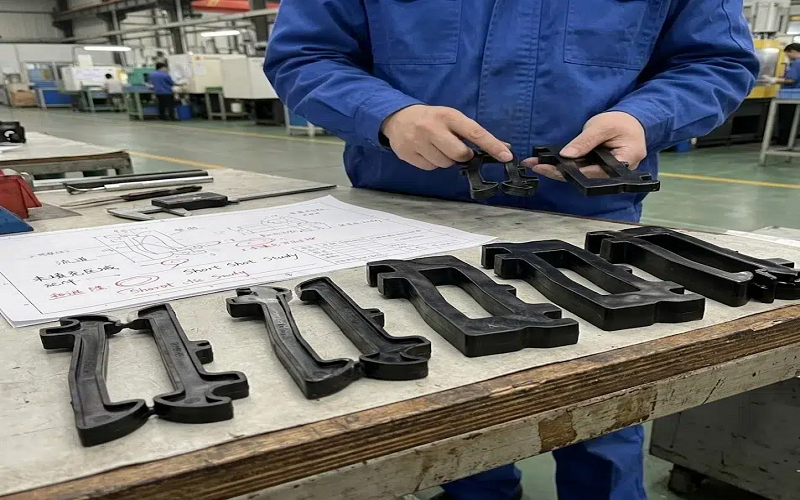
To avoid injection molding short shot issues, comprehensive measures must be taken to fundamentally resolve the problem of incomplete mold filling. The following are common fixes:
1. Check Machine Production Capacity
Selecting an injection molding machine with sufficient capacity is crucial. The machine’s maximum injection volume should exceed 120% of the total weight of the part (including gates and runners). This ensures there is enough material volume and injection force to completely fill the mold without pressure loss.
2. Optimize Process Parameters
Maintain melt temperature within the recommended range for the material to ensure optimal viscosity and flowability. Preheat the mold to the process-required temperature before production to prevent premature solidification of the material. Monitor the mold cooling channels to ensure stable and consistent temperature control.
Increase injection speed to maintain melt momentum and reduce the risk of premature cooling. Optimize injection pressure to overcome flow resistance, especially in molds with long flow paths or thin walls. Ensure sufficient holding pressure and time to complete cavity filling and compensate for material shrinkage.
3. Ensure Proper Material Preparation
Select materials with appropriate flow characteristics based on part design. Consider adding flow modifiers or adjusting the raw material formulation to reduce viscosity and improve mold filling.
Set the injection volume reasonably to match or slightly exceed the mold cavity volume to avoid insufficient material supply. Ensure uniform pellet size and stable feeding to prevent bridging at the feed port, ensuring smooth material entry into the injection unit.
4. Improve Mold Design
Tooling and mold design enhancements may involve enlarging gates and improving cooling channels. Appropriately enlarge gate and runner sizes to reduce flow resistance.
Properly position vent slots or vent holes at the last filling points (typically 0.02–0.04 mm deep and 5–10 mm wide) to release trapped air and reduce back pressure.
5. Maintain Equipment Properly
Regularly clean injection nozzles, gates, runners, and mold vents to prevent blockages caused by cold material or impurities. Good maintenance helps avoid flow interruptions and ensures stable material delivery.
By integrating these preventive measures, manufacturers can minimize short shots, reduce scrap rates, and improve the quality and reliability of injection molded parts.
|
Cause |
Description / Manifestation |
Solution |
|---|---|---|
|
Mold temperature too low |
Melt cools and solidifies too quickly after entering the cavity, reducing flowability |
Appropriately increase mold temperature; check mold temperature controller and water channels |
|
Melt temperature too low |
High plastic viscosity and increased flow resistance |
Increase barrel temperature (within material recommended range) |
|
Insufficient injection pressure/speed |
Melt cannot reach the end of the cavity |
Increase injection pressure and injection speed |
|
Insufficient packing pressure or time |
Incomplete compensation for shrinkage after filling |
Increase packing pressure and packing time |
|
Inadequate material drying |
Hygroscopic materials increase in viscosity and lose flowability |
Dry materials thoroughly according to supplier recommendations (e.g., Nylon, PC, PET) |
|
Poor material flowability |
Low MFI grade or excessive regrind ratio |
Select materials with better flow properties; control regrind percentage |
|
Gate too small or poorly located |
High flow resistance, difficult filling |
Enlarge gate size or optimize gate location; add auxiliary gates if needed |
|
Improper runner design |
Runners too long, too narrow, or unbalanced |
Optimize runner size and layout; shorten flow path |
|
Poor venting |
Trapped air creates resistance and blocks filling |
Add or deepen vents; improve vent locations |
|
Insufficient machine capacity or wear |
Actual injection pressure drops or capacity is inadequate |
Check screw, non-return valve for wear; confirm machine tonnage and injection capacity are sufficient |
|
Part design issues |
Walls too thin, flow path too long, or sudden thickness changes |
Optimize wall thickness and part geometry; shorten maximum flow length |
Conclusion
Overall, injection molding short shot is not an unsolvable problem. In most cases, by systematically checking the three core aspects of process parameters, material properties, and mold design, the root cause of the issue can be quickly identified and effectively resolved.
More importantly, prevention is always better than cure. By optimizing runners and gates during the mold design phase, establishing a stable process window, strictly enforcing material drying standards, and regularly maintaining equipment, the occurrence of short shots can be significantly reduced, ensuring production stability and high yield rates from the source.