
Polyethylene (PE), as one of the most widely used plastic materials globally, is extensively applied in daily life products such as food packaging, plastic bags, and bottles.
With the increasing awareness of food safety and environmental protection, the question “Is polyethylene safe?” has become a focal point of public concern.
This article will delve into the safety of polyethylene, including its chemical properties, effects on human health, and performance in various applications, helping readers gain a comprehensive understanding of the risks and advantages of polyethylene.
What Is Polyethylene(PE)?
Polyethylene (PE) is a thermoplastic resin obtained by polymerizing the monomer ethylene and is one of the largest produced resin types today.
Polyethylene (PE) is a versatile polymer produced through the polymerization process of ethylene molecules, which are small hydrocarbon units. It is the most widely produced commodity plastic and is primarily used for packaging due to its durability, chemical resistance, and flexibility.
Polyethylene’s chemical resilience means it is stable and not easily degraded by acids, bases, or solvents, which contributes to its widespread use. However, this stability also leads to environmental concerns due to its persistence in nature.
Understanding the different types of polyethylene and their properties helps in assessing their safety and appropriate applications, particularly in food packaging and storage.
Types Of Polyethylene
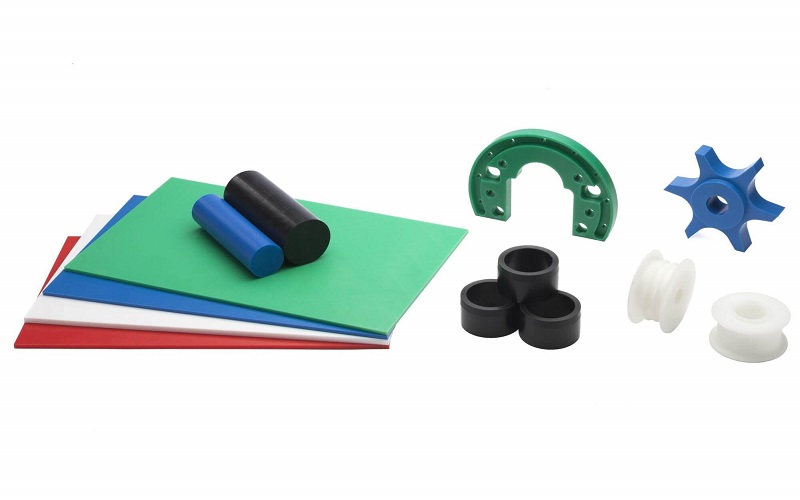
Polyethylene exists in several different types, each characterized by variations in density, branching, and molecular weight, which affect its physical properties and suitability for specific uses.
The main types include low-density polyethylene (LDPE), high-density polyethylene (HDPE), linear low-density polyethylene (LLDPE), and ultra-high-molecular-weight polyethylene (UHMWPE).
High Density Polyethylene (HDPE)
HDPE is known for its high strength, stiffness, and chemical resistance. It has a low degree of branching, allowing polymer chains to pack tightly, resulting in a dense and durable material.
HDPE plastic is commonly used in products such as milk bottles, grocery bags, food containers, and piping. It has a higher melting point than LDPE, making it more resistant to heat and suitable for applications requiring durability and stability at higher temperatures.
Low Density Polyethylene (LDPE)
LDPE is a flexible material used in food storage bags, trash bags, and toys. It has a high degree of branching, which prevents the polymer chains from packing tightly, resulting in a softer and more pliable material.
Linear Low Density Polyethylene (LLDPE)
Compared to LDPE, LLDPE offers superior environmental stress crack resistance, better electrical insulation, higher heat tolerance, impact resistance, and puncture resistance. It is commonly used in the production of films, household goods, pipes, and electrical cables.
Ultra-High Molecular Weight Polyethylene (UHMWPE)
UHMWPE refers to polyethylene with a molecular weight exceeding one million. It is known for its exceptional toughness, wear resistance, and chemical stability.
Ultra-high-molecular-weight polyethylene (UHMWPE) is used in applications such as artificial joints and bulletproof vests due to its toughness.
| LDPE | LLDPE | HDPE | UHMWPE | Unit |
|---|---|---|---|---|---|
Density | 0.910 – 0.940 | 0.915 – 0.940 | 0.941 – 0.965 | 0.930 – 0.941 | g/cm³ |
Melting Point | 105 – 115 | 120 – 130 | 125 – 135 (or 120–140) | 130 – 136 | °C |
Tensile Strength, Yield | 8 – 16 | 12 – 25 | 20 – 40 (or 24–38) | 19 – 25 (yield) | MPa |
Elongation at Break | 200 – 900+ | 500 – 1000+ | 50 – 800 (commonly 100–600) | 300 – 500+ | % |
Flexural Modulus | 150 – 350 | 250 – 550 | 800 – 1500 (or 700–1400) | 500 – 1000 | MPa |
Shore D Hardness | 42 – 56 | 45 – 60 | 55 – 70 | 60 – 70+ | Shore D |
Crystallinity | 40 – 60% | 40 – 55% | 70 – 90% | 40 – 60% | % |
Typical Molecular Weight (Mw) | 50,000 – 200,000 | 50,000 – 200,000 | 50,000 – 250,000 | 2,000,000 – 6,000,000+ | g/mol |
Is Polyethylene Safe?
To evaluate whether polyethylene is safe, it is essential to analyze its interactions with food contact applications and its potential effects on human health.
This includes examining how PE performs in food packaging and storage, as well as assessing any risks related to chemical exposure or toxicity when used in everyday products.
Is Polyethylene Safe For Food ?
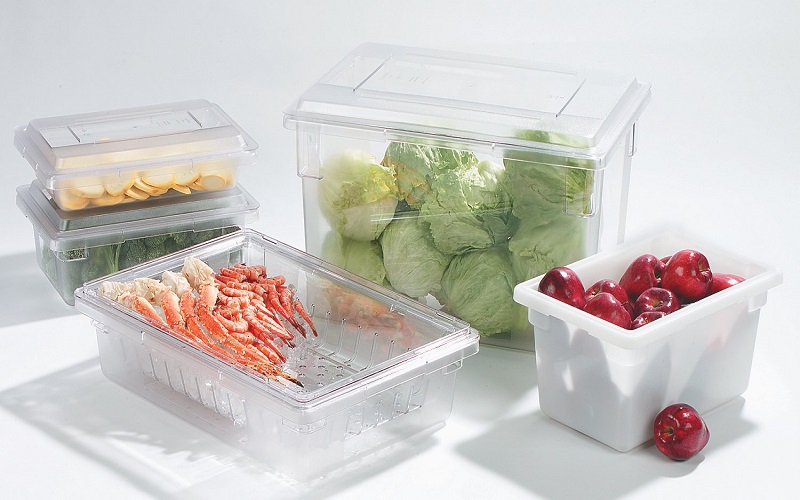
Polyethylene is generally considered a safer plastic for food and drink. It is nontoxic and exhibits excellent chemical resistance, meaning it is not easily degraded or attacked by strong acids or bases.
Food-grade polyethylene is widely used in food packaging products such as food storage bags and cling films. It complies with national standards like GB 4806.7-2016, ensuring its safety for use under normal or refrigerated conditions.
However, the amount of substances that can leach from polyethylene food storage containers tends to increase with higher temperatures, longer contact times, and greater acidity of the food or beverage.
Research has also shown that recycled polyethylene may contain impurities or non-intentionally added substances (NIAS), which have the potential to migrate into food.
Although polyethylene itself does not contain BPA, it is important to be cautious with plastics that may contain BPA, such as polycarbonate plastics.
Therefore, considering the source and quality of polyethylene materials used in food packaging is essential to minimize any possible risks.
Is Polyethylene Toxic To Humans?
Pure polyethylene resin is not toxic and does not leach endocrine-disrupting chemicals. It has not been found to exhibit chemical carcinogenicity by major safety organizations, making it generally considered non-carcinogenic.
Compared to many other plastics, polyethylene is less likely to contain fillers, plasticizers, and various additives; however, these substances may still be present.
Studies have shown that common food containers made from polyethylene can, under certain conditions, release some chemical additives.
The extent of chemical migration from polyethylene products depends on factors such as temperature, duration of contact, and the acidity of the food or beverage.Heating polyethylene containers or prolonged storage with acidic foods can increase the likelihood of leaching.
Additionally, burning polyethylene releases toxic substances, including dioxins, which are harmful to human health and have been linked to cancer risk.
Therefore, while polyethylene itself is generally considered safe, caution should be exercised regarding the additives present in finished products and the environmental impact of improper disposal or incineration.
Environmental Impact of Polyethylene
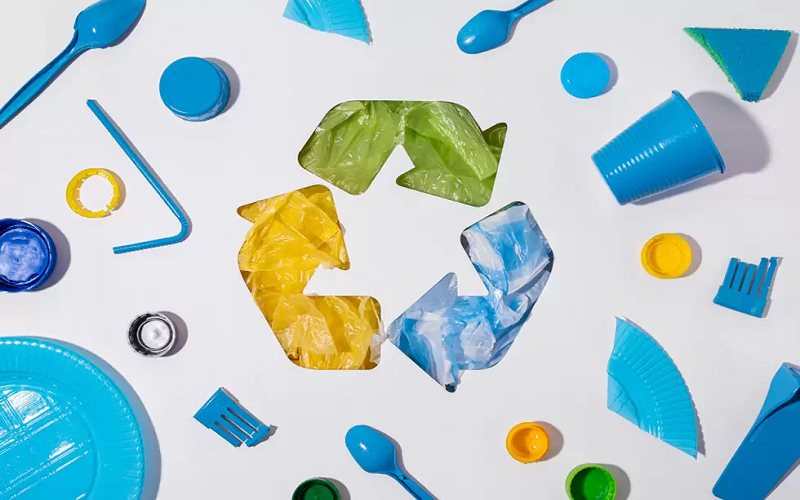
Polyethylene is a non-biodegradable plastic that is difficult to recycle, making it one of the plastics with a significant environmental impact.
It can accumulate in the environment for hundreds of years, and over time, polyethylene gradually breaks down into microplastics, which may contaminate water sources and soil, posing a threat to ecosystems.
Additionally, when exposed to solar radiation, polyethylene releases small amounts of greenhouse gases such as methane and ethylene, further exacerbating climate change issues.
Although polyethylene can be recycled, its recycling rates vary greatly depending on the region and the type of polyethylene. The efficiency and prevalence of recycling still need to be improved to achieve a reduction in its negative impact on the environment.
Polyethylene And Other Plastics:Security Comparison
When comparing polyethylene with other common plastics , it is important to consider their respective safety profiles and typical uses.
Polystyrene (PS) is widely used in disposable food containers and packaging materials. However, it can leach styrene, a possible carcinogen, especially when heated, making it less safe for food contact compared to polyethylene.
Polypropylene (PP) is generally considered safe and is often used for food containers, lids, and packaging due to its high heat tolerance and low chemical leaching. It shares many safety characteristics with polyethylene but offers better resistance to higher temperatures.
Polyvinyl chloride (PVC) or vinyl is known for its durability and used in building and construction. However, PVC often contains plasticizers and additives like phthalates, which can leach harmful toxins and pose risks to human health, making it less safe than polyethylene.
Polyethylene terephthalate (PET) is commonly used for beverage bottles and food packaging. While generally regarded as safe, PET plastic can release chemicals such as antimony and may degrade under high temperatures, which can increase the risk of chemical migration into food or drinks.
Overall, polyethylene stands out for its proven safety, chemical stability, and lower risk of harmful leaching compared to many other plastics, especially when used appropriately in food packaging and storage.
Material | Common Uses | Safety Summary | Chemical Leaching Risk | Heat Resistance | Environmental Impact |
|---|---|---|---|---|---|
Polyethylene (PE) | Food packaging, bags, bottles | Generally safe and non-toxic | Low; additives may leach with heat or acidity | Moderate | Non-biodegradable; forms microplastics |
Polypropylene (PP) | Food containers, lids | Generally safe; better heat resistance | Low chemical leaching | High | Similar to PE; recyclable |
Polyvinyl Chloride (PVC) | Building materials, toys | Contains additives; potential health risks | Higher leaching risk | Moderate to low | Hard to recycle; toxic when burned |
Polystyrene (PS) | Disposable food containers | Can leach styrene, possible carcinogen | Higher leaching risk | Low | Not biodegradable; pollutant |
Polyethylene Terephthalate (PET) | Bottles, packaging | Generally safe; may release antimony under heat | Moderate leaching risk | Moderate | Widely recycled; environmental concerns |
Conclusion
Polyethylene (PE) material is widely regarded as a safe plastic due to its chemical stability and low toxicity risk, making it especially suitable for food packaging and storage. Its excellent chemical resistance and low migration of harmful substances have led to its extensive use in daily life.
However, the durability of polyethylene also presents environmental challenges. Because it is difficult to biodegrade, polyethylene accumulates in the environment and gradually breaks down into microplastics, threatening water sources and soil ecosystems.
Additionally, polyethylene releases small amounts of greenhouse gases when exposed to sunlight, further exacerbating climate change issues.
Nevertheless, through proper use and improved recycling rates, the safety and environmental impact of polyethylene can be effectively managed, promoting sustainable development for human health and the Earth’s ecology.