
ASA injection molding is a widely used manufacturing process that leverages the unique properties of ASA plastic material, known for its excellent weather resistance, UV stability, and mechanical strength.
This process is ideal for producing durable and high-quality parts for outdoor applications such as automotive components, outdoor furniture, and electronic housings.
Understanding the key aspects of ASA injection molding, including material characteristics and processing parameters, is essential for achieving optimal product performance and surface quality.
What Is Acrylonitrile Styrene Acrylate(ASA)?
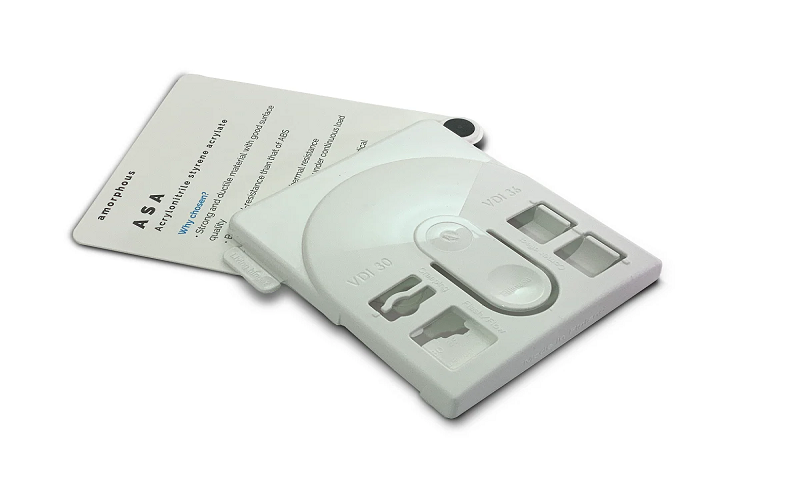
Acrylonitrile styrene acrylate (acrylic styrene acrylonitrile or ASA) is a synthetic amorphous thermoplastic engineering plastic composed of acrylonitrile, styrene, and acrylate copolymers, with grafted acrylic ester elastomer incorporated to provide excellent toughness and impact resistance.
By replacing the butadiene rubber in acrylonitrile butadiene styrene (ABS) with butyl acrylate, ASA significantly improves weatherability and aging resistance, offering about ten times the weather resistance of ABS while maintaining the mechanical strength of ABS plastic.
It also features heat resistance and anti-static properties, retaining 75% of its room temperature impact strength even in harsh environments as low as -30 degrees Celsius.
ASA plastic is extensively used in automotive exterior parts such as mirror housings, roof trims, and grilles due to its outstanding ability to maintain color stability and surface gloss under high temperatures and prolonged ultraviolet exposure, making it an ideal choice for demanding outdoor applications.
Material Properties Of ASA Plastic
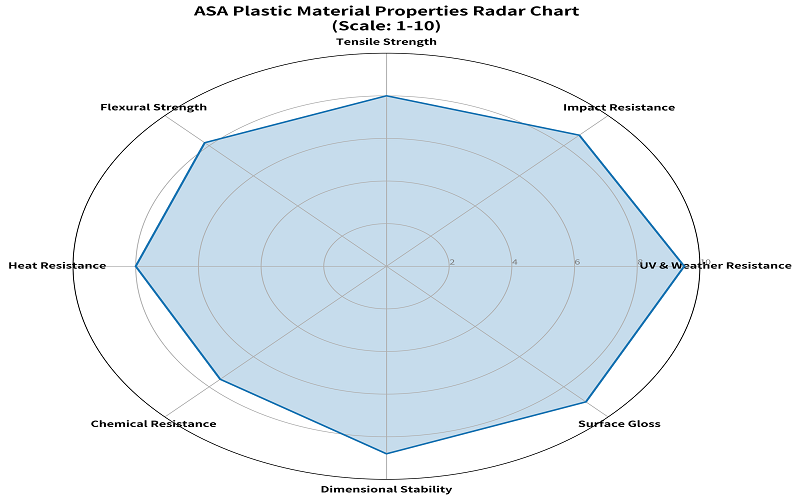
ASA is often considered a weatherable alternative to ABS, offering superior toughness, good resistance to chemicals, and excellent color stability without yellowing over a long period.
Its enhanced weather resistance and UV stability make ASA molding an ideal choice for outdoor applications requiring durable, high-quality parts that maintain their appearance and mechanical properties even under harsh environmental conditions.
Mechanical Properties
ASA plastic material exhibits excellent mechanical properties, including high tensile strength and flexural strength, which make it suitable for demanding engineering applications.
It maintains good dimensional stability and has a high tensile modulus, ensuring parts retain their shape and structural integrity over time.
UV Resistance
One of ASA’s standout features is its uv resistant property and excellent weatherability, which allow ASA molded parts to withstand prolonged exposure to UV radiation without significant degradation or color fading.
This makes ASA resin an ideal choice for outdoor applications where surface appearance and long-term durability are critical.
Chemical Resistance
ASA plastic exhibits good chemical resistance against various substances such as acids, alkalis, and oils; however, it is sensitive to certain strong organic solvents like acetone and toluene.
Moreover, ASA demonstrates superior resistance to environmental stress cracking compared to ABS, particularly when exposed to alcohols and many common cleaning agents.
Thermal Properties
ASA has good thermal stability and a high heat distortion temperature, with melt flow properties that support smooth injection molding and a glossy surface finish.
Impact Resistance
ASA is impact resistant and maintains its mechanical properties across a wide temperature range, including low temperatures, making it ideal for automotive components like mirror housings and roof trims that demand both durability and aesthetic quality.
However, ASA can be sensitive to certain strong organic solvents like chlorinated hydrocarbons and ketones, which may cause stress cracking or surface defects if not properly managed during the production process.
Overall, ASA plastic combines excellent mechanical properties, UV resistance, chemical resistance, and thermal stability, making it a versatile and high-performance material in polymer engineering for producing durable, high surface gloss, and dimensionally stable parts through ASA injection molding.
Compare ASA With Other Plastics
When evaluating ASA against other commonly used plastics, multiple factors such as weather resistance, mechanical performance, cost, and processing technology must be considered.
ASA vs ABS
ASA and ABS share similar chemical structures, but the key difference lies in their weather resistance. ASA is generally regarded as a weather-resistant alternative to ABS.
Although both materials offer good impact resistance and mechanical strength, ASA significantly outperforms ABS in UV resistance and long-term color stability.
This makes ASA molded parts more suitable for outdoor applications where ABS molded parts tend to yellow, crack, or degrade when exposed to prolonged sunlight and harsh environmental conditions.
While ASA’s raw material cost is typically higher than ABS, its superior durability often reduces maintenance and replacement needs, thereby lowering the total lifecycle cost of products.
ASA vs PMMA (Acrylic)
Compared to PMMA (Polymethyl Methacrylate), ASA offers better impact resistance and weatherability. PMMA is favored for its excellent optical transparency and surface hardness but tends to be brittle with relatively low impact strength.
ASA achieves a more balanced combination of toughness and weather resistance, making it ideal for outdoor parts—especially in applications where transparency is not required but durability and color retention are critical.
ASA vs PC (Polycarbonate)
When comparing ASA vs PC, ASA stands out for its excellent weather resistance, UV stability, and cost-effectiveness, making it a preferred choice for outdoor and high-performance applications that require long-term durability and aesthetic quality.
Polycarbonate is renowned for its outstanding impact strength and high-temperature resistance. However, compared to ASA, PC is generally more expensive and has relatively weaker weatherability and UV resistance.
Furthermore, ASA is compatible with solvent welding assembly processes, which is advantageous for manufacturing workflows that require strong, seamless joints without mechanical fasteners.
In summary, ASA stands out among engineering plastics due to its balanced mechanical properties, excellent weather resistance, and versatile processing adaptability. It is undoubtedly the preferred material for outdoor and high-performance applications demanding long-term durability and aesthetic quality.
Conditions Of ASA Injection Molding Process
The ASA injection molding process requires precise control of various conditions to ensure high-quality molded parts with excellent mechanical properties and surface finish.
Material Drying
Proper drying of ASA pellets is critical before molding to prevent defects such as bubbles, flow marks, and silver streaks caused by moisture vaporizing during processing. ASA should be dried at 80–90°C for about 4 hours using a desiccant dehumidifier to reduce moisture content below 0.02%.
Temperature Control
In ASA injection molding, the barrel temperature should be maintained at 230–250°C for the front zone, 240–260°C for the middle zone, and 250–270°C for the rear zone to avoid material degradation and discoloration.
Mold temperature typically ranges from 50–80°C; higher mold temperatures help retain gloss and reduce flow marks and weld lines.
Injection Speed and Pressure
Injection speed influences the flow of molten ASA into the mold cavity. A medium to high injection speed is recommended to minimize weld lines and ensure uniform filling.
The injection pressure for ASA plastic should be set between 80–120 MPa, adjusted according to part wall thickness to ensure complete filling without inducing stress. Holding pressure between 50–80 MPa helps maintain part density and dimensional stability.
Cooling Time
Cooling time varies depending on part thickness but typically ranges from 15 to 40 seconds. Adequate cooling prevents warpage and sink marks while ensuring consistent dimensions. Uniform cooling also reduces the risk of burn marks caused by trapped air and localized overheating.
Gate Design And Venting
Effective mold design, including gate location and runner system, is vital for balanced filling and minimizing defects. Proper gate design reduces shear stress and prevents premature solidification.
An efficient venting system is critical in ASA injection molding to prevent defects such as burn marks and incomplete filling caused by trapped air.
Surface Finish Considerations
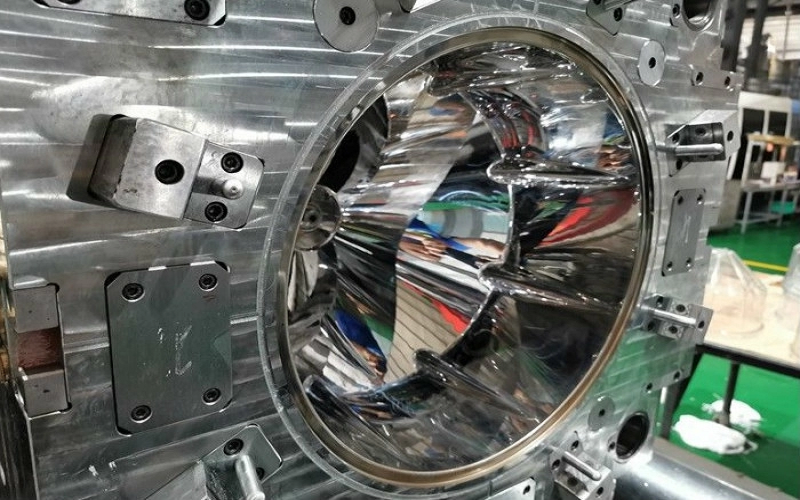
To achieve high gloss parts, mold cavities should be polished to a mirror finish (#1200 grit or finer). This reduces flow marks and enhances the surface appearance of ASA molded parts.
Additionally, controlling mold temperature and injection speed contributes significantly to retaining gloss and minimizing color variations.
By carefully managing these process conditions, ASA injection molding can produce high-strength, durable parts with excellent weather resistance and aesthetic appeal suitable for high volume production of automotive components, medical devices, outdoor furniture, and other demanding applications.
What Are The Uses of ASA Molding?
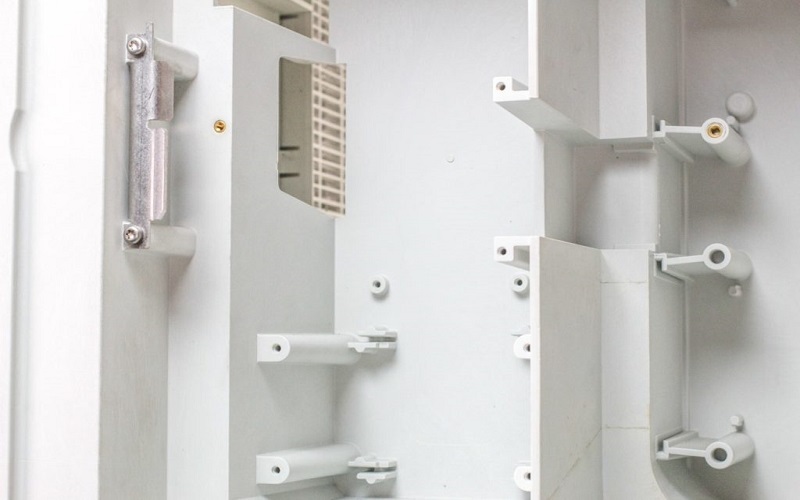
Applications of asa molding span outdoor and automotive components, household appliances, and electronic housings, benefiting from ASA’s ability to maintain color and surface gloss under prolonged exposure to sunlight and harsh environmental conditions.
Automotive Industry
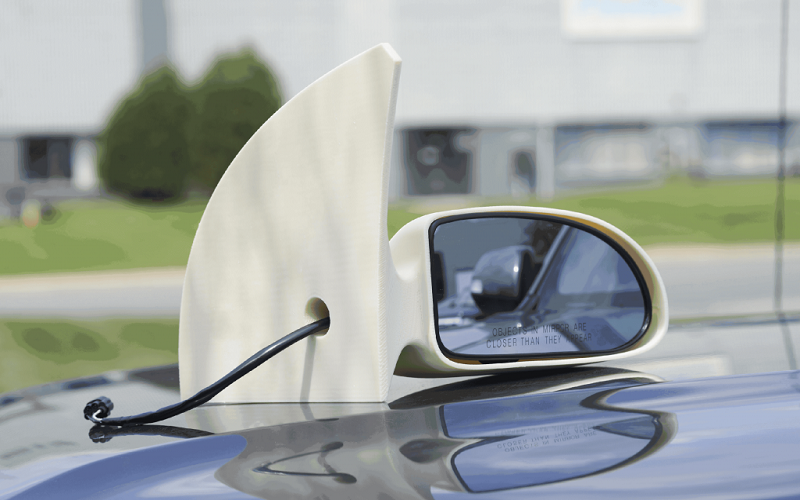
In the automotive industry, ASA is a preferred material for exterior parts such as mirror housings, roof trims, grilles, and wiper covers. These components require excellent resistance to UV radiation, weathering, and temperature fluctuations to ensure long-term durability and aesthetic appeal.
Outdoor Products
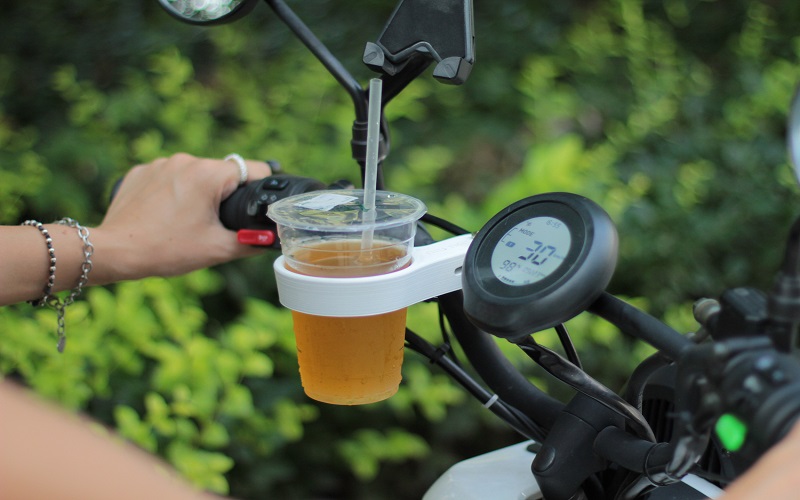
The excellent weatherability and UV resistance of ASA make it a preferred material for outdoor products like garden equipment housings, traffic sign enclosures, and outdoor lighting fixtures, ensuring durability under harsh environmental conditions.
Home Appliances and Electronics
Beyond outdoor applications, ASA is also used in home appliances and electronic housings, including washing machine panels, outdoor air conditioner covers, and computer cases.
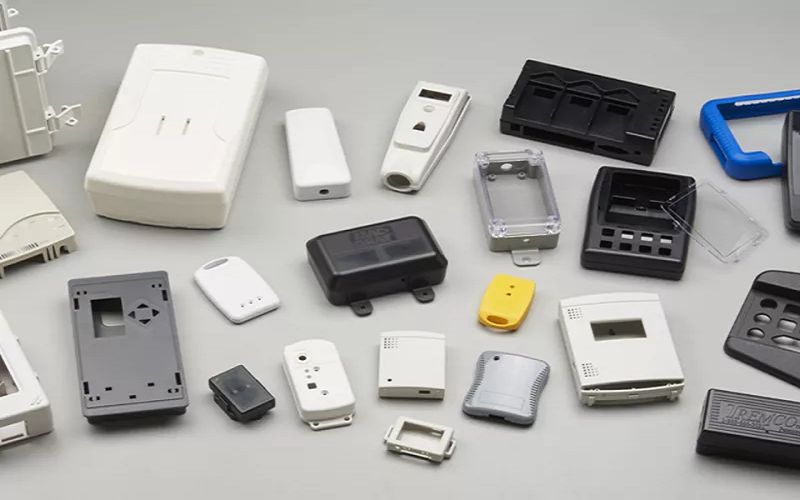
Overall, ASA’s combination of excellent resistance to weathering, aromatic solvents, and many cleaning agents, along with its high transparency options in certain grades, makes it a versatile and reliable material for a wide range of demanding applications.
Conclusion
ASA injection molding process, with its excellent weather resistance, UV stability, and mechanical strength, is an ideal choice for producing outdoor and high-performance plastic parts.
ASA material not only offers good dimensional stability and chemical resistance but also maintains color and surface gloss under harsh environments. It is widely used in automotive exterior parts, outdoor equipment, and household appliances.
By properly controlling injection molding process parameters such as drying temperature, injection speed, and mold temperature, common defects can be effectively avoided, improving product quality and production efficiency.
With the rise of environmental protection and sustainable manufacturing concepts, the recyclability and long service life of ASA material provide a solid foundation for its future market development.
If you want to start a new ASA injection molding project, FOWMOULD can tailor injection molding processes, optimize mold design, enhance production efficiency, and reduce costs for you. Feel free to contact us anytime to embark on a high-quality ASA injection molding journey together.