
ASA filament and PETG filament are popular choices due to their durability and versatility in 3D printing companies.
Understanding the differences between asa vs petg helps in selecting the best material for specific printing needs, including outdoor use and mechanical parts.
In this guide, we’ll break down the key differences in performance, printability, real-world durability, and the latest 2026 trends to help you decide which filament is truly better for your next project—no hype, just facts.
What Is ASA?
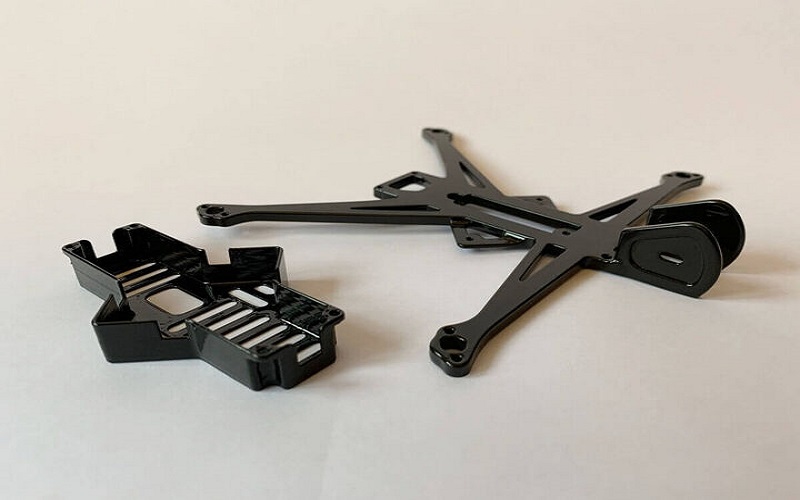
Acrylonitrile Styrene Acrylate (ASA) is a thermoplastic polymer developed as a variant of Acrylonitrile Butadiene Styrene (ABS) to enhance UV resistance and weather durability.
Produced through graft polymerization involving acrylonitrile, styrene, and acrylic ester monomers, ASA offers excellent impact resistance and chemical resistance, making it a go-to material for rugged parts and outdoor applications.
Its high glass transition temperature and superior thermal stability provide notable heat resistance, ideal for automotive parts, outdoor fixtures, and protective casings that must withstand physical stress and harsh external conditions.
However, ASA requires higher printing temperatures,typically around 240–260 °C,and a fully enclosed printer with a heated bed to prevent warping and achieve dimensional stability. It also emits toxic fumes during printing, necessitating proper ventilation.
Despite these challenges, ASA produces durable prints with excellent layer adhesion and a smooth finish, which can be further enhanced through acetone smoothing during post-processing.
What Is PETG?
Polyethylene Terephthalate Glycol (PETG) is a modified form of polyethylene terephthalate (PET) designed to improve flexibility, durability, and ease of printing.
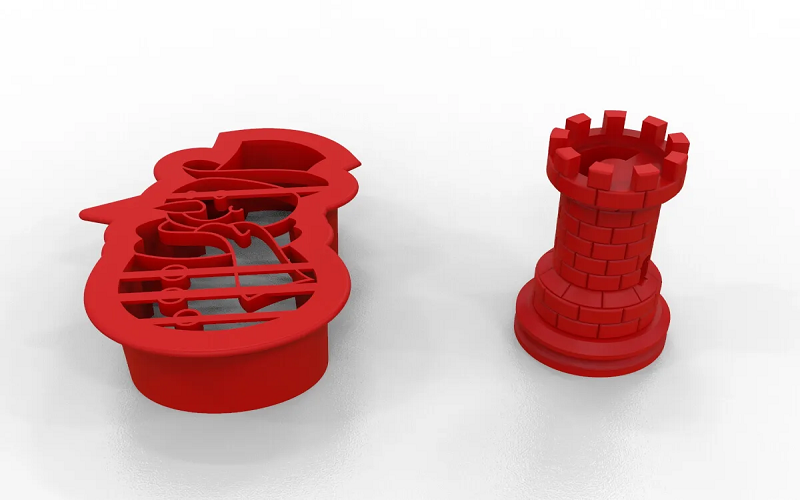
Known for its strong layer adhesion, minimal warping, and good chemical resistance, PETG is widely used for functional parts, mechanical components, and clear applications such as light diffusers and packaging.
Additionally, PETG offers excellent dimensional accuracy and is less prone to poor layer adhesion issues compared to some other filaments, making it a reliable choice for complex prints.
While PETG provides good impact resistance and flexibility, it has a lower UV resistance than ASA and may yellow or degrade when exposed to prolonged sunlight. It is also hygroscopic, meaning it absorbs moisture from the air, so storing PETG in a dry environment is important to maintain print quality.
Performance Differences Between ASA And PETG
Understanding the performance differences between ASA and PETG filaments is crucial for selecting the right material for your 3D printing projects.
Both materials offer unique benefits and challenges that cater to different applications and printing environments.
Mechanical Properties
ASA has a density of around 1.07 g/cm³ and a tensile strength of approximately 44 MPa, known for its excellent impact resistance and rigidity.
Its lower density compared to PETG contributes to lighter parts, which can be beneficial in applications where weight matters.
ASA’s heat deflection temperature ranges from about 95 to 105 °C, enabling it to maintain structural integrity and stiffness at elevated temperatures.
PETG, on the other hand, has a higher density of around 1.27 g/cm³ and a tensile strength of about 50 MPa.
It offers greater flexibility and toughness than ASA, allowing it to absorb physical stress better, making it suitable for parts that require some degree of bending without breaking.
Heat Resistance
ASA melts at about 250 °C, making it great for high-temperature uses where heat resistance and durability matter.
Its high glass transition temperature helps ASA parts keep their shape and strength even when exposed to heat for a long time, suitable for automotive parts and outdoor fixtures.
PETG has a melting temperature of around 220–250 °C.It has good heat resistance for many functional parts but generally can’t handle as much heat as ASA.
PETG parts may soften under high temperatures, limiting their use in very hot settings. However, PETG balances heat resistance with flexibility and is easy to print, making it ideal for parts needing moderate heat resistance and toughness.
Environment Resistance
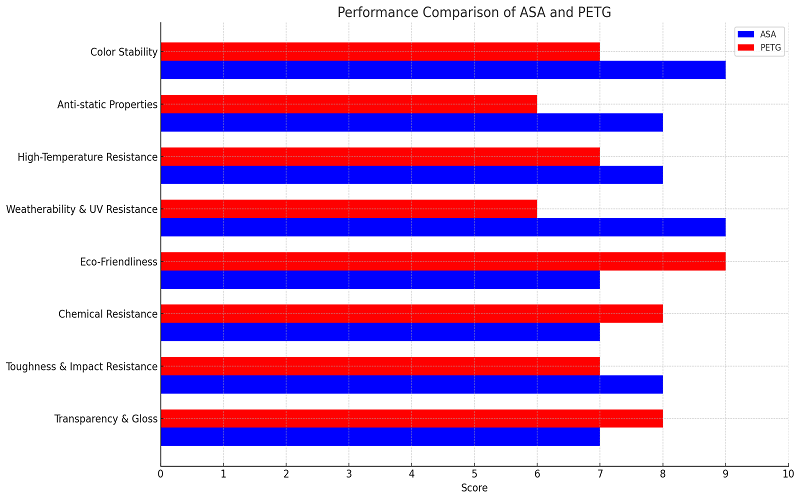
One of ASA’s key strengths is its exceptional weather resistance, with UV resistance more than 10 times that of ABS.
ASA maintains structural integrity and color stability even after prolonged exposure to UV light, whereas PETG may yellow and lose up to 30% of its impact resistance within a few months of direct sunlight exposure.
ASA is hygroscopic, meaning it can absorb moisture from the air over time, which can affect print quality if not properly stored.
PETG is superior for chemically aggressive environments, resisting oils, acids, and many solvents better than ASA. However, its UV resistance is poor, and its performance may degrade with prolonged outdoor use.
Printing Requirements For ASA Filament And PETG Filament
Getting the right printing settings is key to success with engineering filaments like ASA and PETG, where modern printers and improved filament formulations make both more accessible, but their requirements still differ significantly.
Printing ASA Filament
Printing ASA filament requires careful attention to temperature, humidity, and print settings to achieve optimal results.
Typically, ASA needs a heated bed temperature of 90–110 °C and benefits greatly from a heated chamber and a fully enclosed printer to prevent warping and ensure good layer adhesion.
While ASA can be printed at higher temperatures than PETG, this increases the risk of thermal degradation and poor layer adhesion if not properly managed.
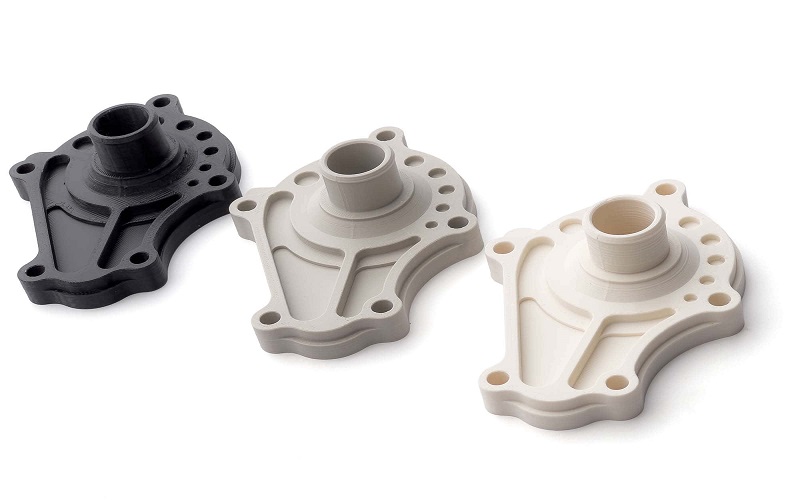
Proper post-processing techniques, such as acetone smoothing, can significantly enhance the surface finish of ASA prints, resulting in a smooth and glossy outer layer that is ideal for functional and outdoor applications.
Printing PETG Filament
Printing PETG filament is generally easier than ASA, with fewer requirements for heated chambers and high temperatures.
PETG typically requires a heated bed temperature of 70–85 °C and prints best within a temperature range of 220–260 °C. It can be printed on a variety of 3D printing systems, including those without heated beds, thanks to its low tendency to warp, making it more accessible for many users.
Optimized print settings, such as slower print speeds and fine-tuned retraction settings, help improve print quality and reduce stringing or warping issues.
This versatility allows PETG to be used for a wide range of applications, from functional prototypes to outdoor displays, providing a balance of durability, flexibility, and ease of printing compared to ASA, which requires a fully enclosed printer, higher temperatures, and more controlled conditions.
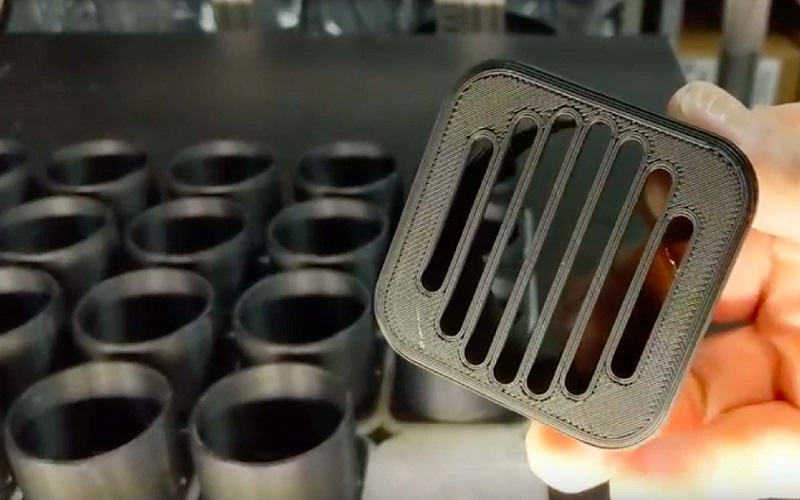
In summary,Printing ASA requires a fully enclosed printer, heated bed, and higher temperatures, which can be challenging for some 3D printing setups.
PETG, on the other hand, is easier to print and can be used with a variety of 3D printing systems, including those without heated chambers.
Slower print speeds and optimized retraction settings can help improve print quality when working with ASA and PETG.
ASA vs PETG :Post Processing
Proper post-processing can significantly enhance both the appearance and performance of ASA and PETG prints.
While both materials can be sanded, painted, and glued, ASA uniquely benefits from acetone smoothing, which creates a glossy, smooth outer layer ideal for functional and outdoor applications.
PETG, on the other hand, cannot be acetone-smoothed but can achieve a smooth finish through careful sanding and polishing.
For outdoor use, additional protective coatings may be applied to both ASA and PETG prints to improve their durability and weather resistance, ensuring long-lasting performance in harsh environments.
Applications of ASA and PETG Filaments
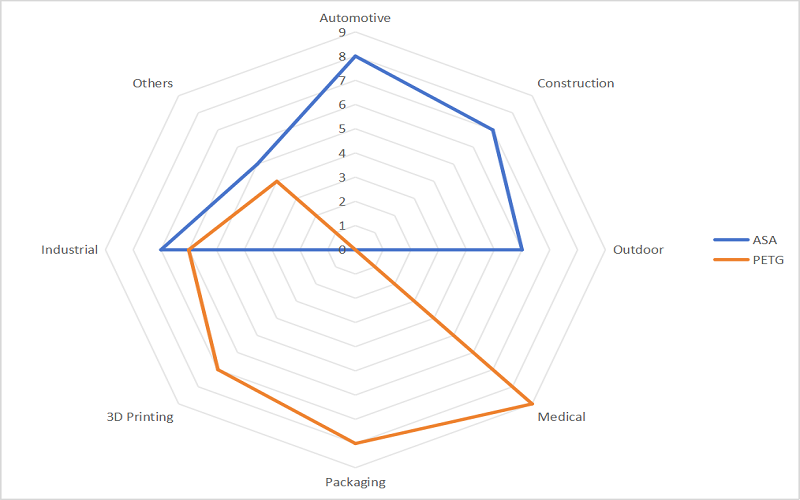
Both ASA and PETG filaments serve distinct roles in 3D printing, with ASA excelling in outdoor, high-temperature, and rugged applications, while PETG is preferred for ease of printing, functional prototypes, and parts requiring flexibility and chemical resistance.
ASA is commonly used in automotive parts, outdoor fixtures, and mechanical components due to its high temperature resistance, excellent UV resistance, and impact resistant properties. It is also favored for protective casings and outdoor signage where weather resistance and dimensional stability are critical.
PETG is widely used in architectural models, indoor and outdoor parts, and protective casings due to its flexibility, durability, and ease of printing. Its strong layer adhesion and chemical resistance make it ideal for functional prototypes, water-tight containers, and parts requiring good dimensional accuracy.
Applications of ASA extend to aerospace prototypes requiring high strength and thermal resistance, while PETG is often chosen for light diffusers, packaging, and mechanical parts that benefit from its transparency and toughness.
Overall, the choice between ASA and PETG depends on the specific requirements of the project, balancing factors such as environmental exposure, mechanical stress, and printability.
Comparing ASA and PETG Filaments Cost and Availability
The cost and availability of ASA and PETG filaments can vary depending on the manufacturer, quality, and location.
ASA filament is generally more expensive than PETG due to its enhanced properties, including higher temperature resistance, superior UV resistance, and better weather resistance.
These features make ASA a preferred choice for outdoor applications and parts that require long-term durability under harsh conditions.
On the other hand, PETG filament is more widely available and typically comes at a lower cost, making it an attractive option for hobbyists and professionals alike.
Its ease of printing, minimal warping, and good mechanical properties contribute to its popularity for a wide range of functional parts and prototypes.
Both ASA and PETG are offered by many reputable brands, and you can find variations with additives such as carbon fiber to further improve strength and stiffness. Availability may also depend on the specific color or spool size desired.
Conclusion
Choosing the right filament between ASA and PETG depends largely on your project’s specific needs and printing capabilities.
ASA stands out as the ideal choice for outdoor applications requiring superior UV resistance, weather durability, and high heat tolerance, making it perfect for automotive parts, outdoor fixtures, and rugged mechanical components.
However, it demands higher printing temperatures, a fully enclosed printer, and proper ventilation due to toxic fumes. PETG, on the other hand, offers excellent layer adhesion, flexibility, and ease of printing with lower temperature requirements and minimal warping, making it a versatile and user-friendly option for functional prototypes, indoor parts, and items needing good chemical resistance.
By weighing factors such as environmental exposure, mechanical stress, printability, and post-processing preferences, you can select the right filament that balances performance and practicality for your 3D printing projects.
Scenario | Recommended Material | Main Reason |
|---|---|---|
Long-term outdoor exposure (sun/rain) | ASA | Excellent UV stability, almost no yellowing or brittleness |
High-temperature environments (inside cars/summer) | ASA | Heat deflection temperature 95-105°C |
Indoor functional parts/prototypes | PETG | Most user-friendly printing, low warping, minimal odor |
Requires transparency/food contact | PETG | High transparency, often food-grade certified |
Beginners/rapid iteration | PETG | Lowest failure rate |