
Glass filled nylon injection molding is a widely used manufacturing process that combines the strength and durability of nylon with the reinforcing benefits of glass fibers.
This composite material offers enhanced mechanical properties, improved thermal resistance, and better dimensional stability compared to unfilled nylon.
Ideal for producing strong, wear-resistant parts, glass filled nylon is commonly used across various industries including automotive, electronics, and industrial applications.
This guide provides an overview of glass filled nylon, its properties, advantages, limitations, and practical considerations for injection molding.
What Is Glass Filled Nylon?
Glass filled nylon is a synthetic material made by adding glass fibers into a nylon matrix. This material combines the toughness of nylon with the high strength of glass fibers, significantly enhancing mechanical properties, thermal stability, and wear resistance.
The addition of glass fibers not only increases the hardness and rigidity of the material but also improves its dimensional stability, reducing deformation caused by thermal expansion and contraction.
Moreover, glass filled nylon exhibits excellent heat resistance and chemical corrosion resistance, making it suitable for automotive components, electronic device housings, and industrial machinery parts.
Due to the presence of glass fibers, this material requires higher injection pressures and more wear-resistant mold materials, such as hardened steel nozzles, during the injection molding process to ensure product quality and mold longevity.
Design considerations should include maintaining uniform wall thickness, properly setting internal or fillet radii and external or round radii, and applying appropriate draft angles to reduce stress concentrations and internal stresses, ensuring dimensional accuracy and performance of injection molded parts.
Material Properties Of Glass Filled Nylon
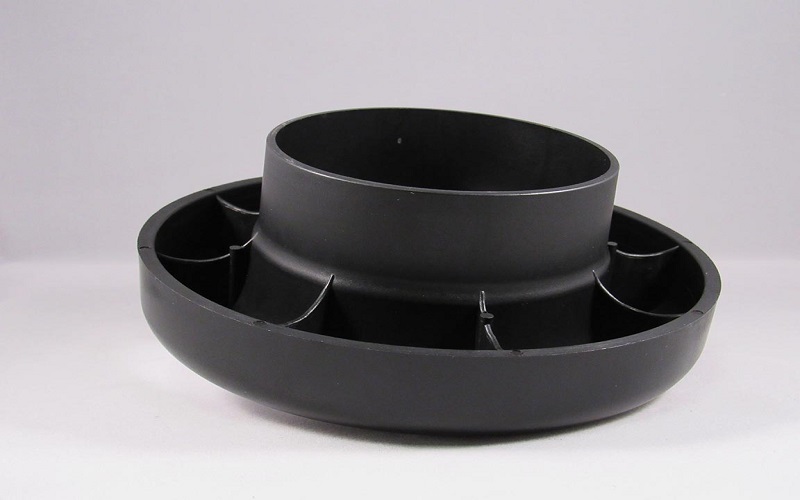
Glass filled nylon is a versatile material known for its excellent mechanical strength, thermal properties, and durability. Compared to regular nylon, its physical properties are significantly enhanced by incorporating glass filler—typically short glass fibers—into the nylon matrix.
Mechanical Properties
Glass filled nylon typically contains 30% to 50% glass fibers, which significantly improve its mechanical performance compared to unfilled nylon.
Its tensile strength can reach up to 230 MPa, exhibiting exceptional rigidity and excellent mechanical properties, making it an ideal material for manufacturing demanding industrial components.
Thermal Properties
Glass-filled nylon exhibits enhanced thermal stability, with a continuous service temperature ranging from 100°C to 150°C depending on the percentage of glass fibers used.Therefore, it is well suited for applications requiring high temperature resistance and stable performance under elevated temperatures.
Moisture Absorption
However, this material does absorb moisture, which can affect its dimensional stability and mechanical properties; thus, thorough drying is necessary before processing.
Additionally, nominal wall thickness should be carefully controlled during part design to ensure strength while effectively preventing warping during molding.
Fatigue Resistance
The addition of glass fibers also helps improve the material’s fatigue resistance, enabling parts to better withstand cyclic stress loads compared to unfilled nylon.
Moreover, the unique textured surfaces characteristic of glass filled nylon not only enhance the visual appeal of components but also improve grip in consumer product applications.
When adding powdered glass or carbon fiber, processing parameters must be adjusted accordingly to maintain optimal flow and mold cavity filling.
Precise temperature control during injection molding is crucial to ensure a strong bond between the nylon resin and glass fibers, effectively preventing defects and ensuring consistent and stable physical properties in the final parts.
In summary, glass filled nylon, with its outstanding mechanical strength, excellent thermal resistance, and good dimensional stability, is a versatile material widely used in injection molding for manufacturing various high-performance industrial and consumer components.
Advantages of Injection Molded Glass Filled Nylon
Here are some additional benefits of using glass-filled nylon in your injection molding projects:
High Tensile Strength And Hardnesss
Glass filled nylon parts offer superior tensile strength and hardness compared to standard nylon, making them ideal for applications that require exceptional rigidity and structural integrity. This enhanced strength allows components to withstand high mechanical loads and stresses without deforming or failing.
Low Moisture Absorption
Another significant advantage is the material’s low moisture absorption, which helps maintain dimensional stability and mechanical properties even in humid or wet environments.
This characteristic makes glass filled nylon suitable for small plastic parts manufacturing where tight tolerances and consistent performance are critical.
Improve High-Temperature Resistance
The incorporation of glass fibers also improves the material’s ability to withstand high temperatures, enabling parts to function reliably in demanding thermal conditions such as engine covers and industrial machinery components.
Excellent Electrical Insulation Properties
Additionally, glass filled nylon provides excellent electrical insulation, making it a preferred choice for electrical connectors, housings, and other components requiring dielectric strength.
Enhances Wear Resistance And Reduces Creep
Moreover, the glass content in the nylon matrix enhances wear resistance and reduces creep, ensuring long-term durability and performance in dynamic or load-bearing applications.
Despite its advantages, glass-filled nylon is more brittle than unfilled nylon, making it more susceptible to fracturing under high stress or impact loads.
Glass filled nylon injection molding combines the benefits of plastic injection molding with the enhanced mechanical and thermal properties imparted by glass fibers, resulting in high-quality, durable parts suitable for a wide range of industrial uses.
Disadvantages Of Using Glass-Filled Nylon
Despite the many advantages of glass-filled nylon, its drawbacks should not be overlooked.
Increased Brittleness: The addition of glass fibers increases the material’s brittleness, making the products more prone to fracture under impact or high stress. This brittleness limits its use in applications requiring high toughness and impact resistance.
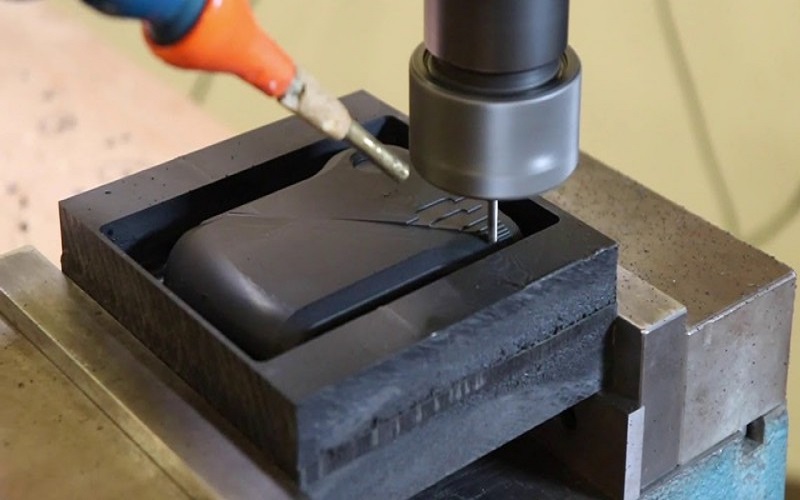
High Abrasiveness: Glass fibers are highly abrasive, accelerating wear on molds and processing equipment, which leads to shorter tool life and increased manufacturing costs. Therefore, hardened steel molds and wear-resistant tools must be used when processing glass-filled nylon to ensure production efficiency and product quality.
Uneven Shrinkage:Glass-filled nylon exhibits uneven material shrinkage during the injection molding process, which can lead to warping and anisotropic properties in the final parts. Proper control of wall thickness and rib structures during design is necessary to mitigate these issues.
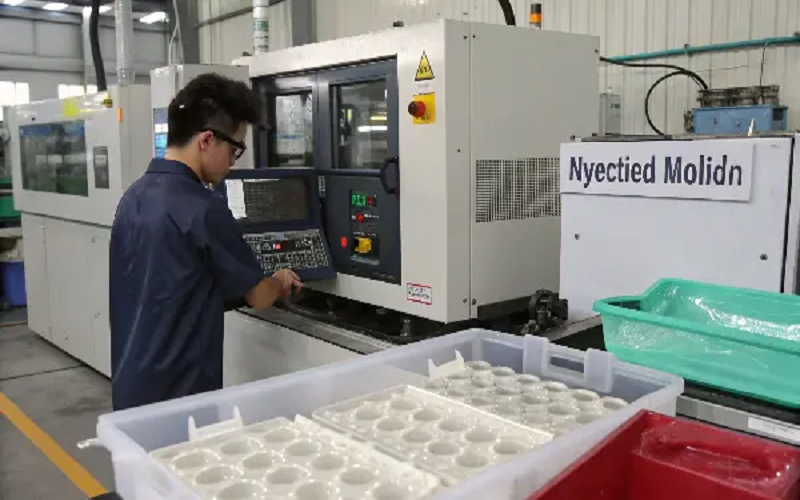
Complex Processing Conditions: Glass-filled nylon requires higher processing temperatures and strict drying requirements. The glass fibers in glass-filled nylon can cause increased wear on machining tools and molds, leading to higher tooling costs and potential surface finish issues.
In summary, while glass-filled nylon performs excellently in mechanical properties and heat resistance, its brittleness, abrasiveness, and shrinkage drawbacks must be fully considered during design and processing. Optimizing process parameters and mold design is essential to ensure product quality and service life.
Considerations Of The Injection Molding Process of Glass Fiber-Nylon
The injection molding process of glass fiber reinforced nylon requires careful planning, including material preparation, mold design, and optimization of process parameters. The details are as follows:
Material Preparation
Before injection molding, glass fiber reinforced nylon must be thoroughly dried to reduce its moisture content to below 0.2% to prevent moisture from causing reduced product strength and defects.
Product Design
Maintaining uniform wall thickness is crucial in the design of glass-filled nylon parts, with recommended thicknesses typically ranging from 0.8 mm to 3 mm to prevent warping and ensure proper cooling.
Mold Design
Due to the high abrasiveness of glass fibers, ordinary mold materials cannot withstand the wear. Injection molds need to be made of high hardness materials, such as hardened steel, to extend mold life and maintain product surface quality.
Process Parameters
Glass-filled nylon is processed in injection molding with specific adjustments to handle its reinforced nature, including increased injection pressure.
Glass fiber reinforced nylon has higher melt viscosity, requiring higher injection pressures during molding, typically between 75 and 100 MPa.
At the same time, molding temperatures are relatively high, with melt temperatures controlled between 270 and 300 degrees Celsius and mold temperatures maintained between 80 and 120 degrees Celsius to ensure full melting of the material and excellent molding results.
By properly controlling the above aspects, the quality and performance of glass filled nylon injection molded parts can be effectively improved to meet the demands of high strength and high durability applications.
Applications Of Injection Molding Glass Filled Nylon
Glass filled nylon is widely used in injection molding for producing durable, high-performance parts across various industries. Its combination of strength, thermal resistance, and chemical resistance makes it ideal for demanding applications.
Automotive Industry
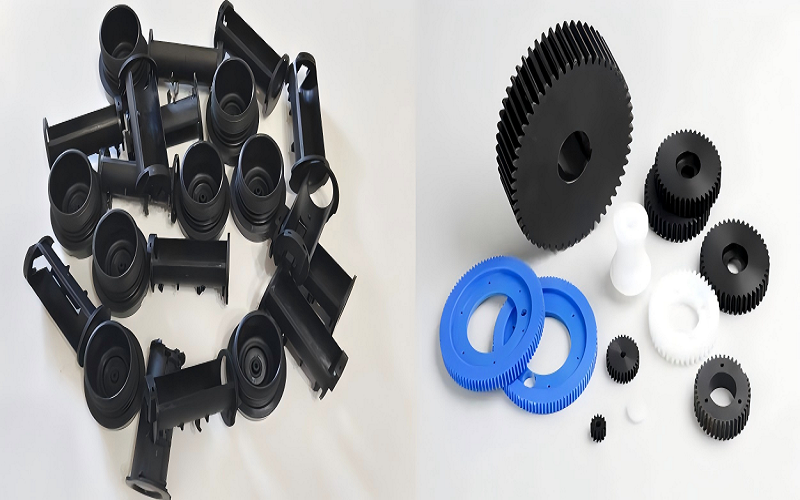
In the automotive sector, glass filled nylon is commonly used for components such as gears, bushings, brake fluid reservoirs, thermostat housings, and wire connectors.
These parts benefit from the material’s high tensile strength and resistance to heat and chemicals found in engine compartments and other harsh environments. The lightweight nature of glass filled nylon also helps reduce vehicle weight, improving fuel efficiency.
Electronics and Electrical Applications
Glass filled nylon’s excellent electrical insulation properties and dimensional stability make it suitable for electronic housings, connectors, and switchgear components.
It protects sensitive electronics from mechanical stress and electrical interference while withstanding elevated temperatures and exposure to chemicals.
Industrial Components
Industrial applications utilize glass filled nylon for fasteners, spacers, cableway carriage sheaves, and low-friction bearings. Its wear resistance and strength ensure reliable performance under continuous mechanical loads and harsh operating conditions.
Consumer Goods
In consumer products, glass filled nylon is used for power tool housings, appliance handles, sporting goods, and luggage handles. The material’s durability and textured surface improve grip and wear resistance, enhancing product lifespan and user experience.
Other Applications
Additional uses include mounting hardware, electrical insulators, cable ties, clips, clamps, and structural components in aerospace and medical devices. The versatility of glass filled nylon allows it to meet stringent requirements for strength, thermal stability, and chemical resistance across diverse fields.
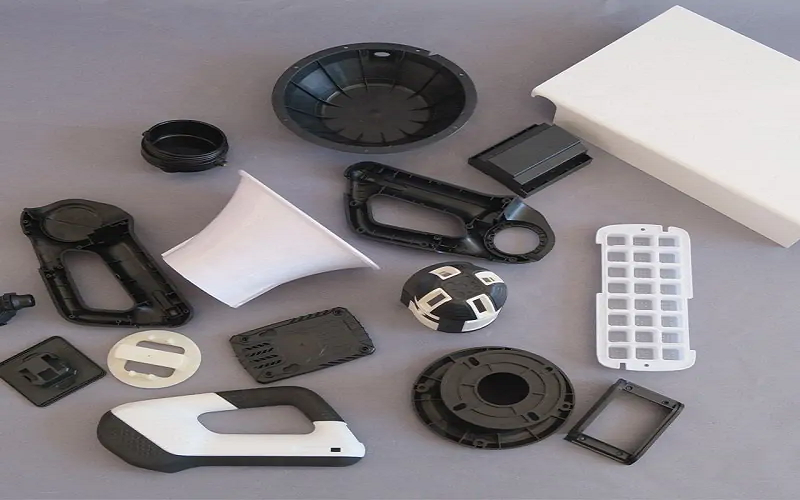
By leveraging its unique combination of mechanical and thermal properties, glass filled nylon injection molding enables the production of robust, lightweight, and reliable parts tailored to specific application needs.
Material Alternatives To Glass Filled Nylon For Injection Molding
While glass filled nylon offers many advantages for injection molding, there are several alternative materials that may be better suited for specific applications depending on the required properties.
Carbon Fiber Reinforced Nylon
Carbon fiber-reinforced nylon is a strong alternative to glass-filled nylon, offering superior stiffness and strength. This material is often chosen for applications requiring exceptional rigidity and dimensional stability.
However, carbon fiber composites can be more brittle than glass filled nylons and may have higher costs associated with processing and tooling.
Mineral-Filled Nylon
Mineral-filled nylon uses mineral additives instead of glass fibers to enhance properties such as heat resistance, electrical insulation, and wear resistance.
Depending on the type and amount of mineral filler, this material can offer improved thermal stability and reduced moisture absorption compared to glass filled nylon, making it suitable for certain industrial and electrical applications.
Glass Filled Polybutylene Terephthalate (PBT)
Glass filled PBT is another viable alternative, especially where UV resistance and dielectric strength are important.
It is commonly used in outdoor and electrical applications due to its better resistance to ultraviolet light compared to glass filled nylon. However, PBT injection molding generally has a faster crystallization rate, which can make the process more challenging.
High-Performance Polymers
High-performance plastics such as polyether ether ketone (PEEK), polycarbonate, and polyetherimide (PEI) can serve as alternatives to glass-filled nylon, particularly for applications requiring high strength, heat resistance, or chemical resistance.
PEEK, in particular, is known for its outstanding heat resistance and durability, making it suitable for extremely demanding environments. These materials are often more expensive but provide superior performance where glass filled nylon may fall short.
When selecting an alternative to glass filled nylon, it is important to consider factors such as mechanical requirements, thermal and chemical resistance, processing complexity, and cost.
Consulting with material experts and injection molding specialists can help identify the optimal material for your specific application.
Glass Filled Nylon Injection Molding vs Nylon Injection Molding
When comparing glass filled nylon injection molding to pure nylon injection molding, several key differences emerge that influence material selection based on application requirements.
Mechanical Strength and Hardness
Glass filled nylon offers hardness superior tensile strength compared to pure nylon. The addition of glass fibers significantly increases tensile strength—up to 230 MPa—making glass filled variants much stronger and stiffer.
Regular nylon , while tough and flexible, typically has lower tensile strength and hardness, limiting its use in high-stress or wear-intensive environments.
Thermal and Chemical Resistance
Glass filled nylon exhibits enhanced thermal stability, with continuous service temperatures ranging between 100°C to 150°C, depending on glass content. Pure nylon generally has lower heat resistance, which can restrict its use in high-temperature applications.
Both materials resist many chemicals, but glass filled nylon often provides improved chemical resistance, especially against oils and solvents.
Dimensional Stability and Shrinkage
The incorporation of glass fibers reduces the coefficient of thermal expansion in glass filled nylon, resulting in better dimensional stability and less warping during cooling.
Pure nylon tends to have higher shrinkage and more significant dimensional changes with temperature fluctuations. However, glass filled nylon can experience uneven shrinkage due to fiber orientation, which requires careful design consideration.
Processing and Injection Molding Considerations
Glass filled nylon demands higher injection pressures—between 75 and 100 MPa—due to increased melt viscosity from the glass fibers.
Mold temperatures also need to be maintained between 80°C and 120°C to ensure quality parts. Additionally, molds must be constructed from hardened steel to withstand the abrasive nature of glass fibers.
In contrast, pure nylon injection molding requires lower injection pressures and less robust tooling, which can reduce manufacturing costs. However, pure nylon parts may need more post-processing or design adjustments to compensate for their lower mechanical properties.
Applications and Suitability
Glass filled nylon is preferred for applications demanding high strength, wear resistance, and thermal stability, such as automotive gears, industrial fasteners, and electrical connectors.
Pure nylon is suitable for less demanding applications where flexibility, impact resistance, and cost-effectiveness are priorities, including consumer goods and general-purpose components.
In summary, glass filled nylon injection molding enhances the mechanical and thermal properties of pure nylon, making it suitable for more demanding industrial applications.
However, this comes with increased processing complexity, tooling costs, and brittleness. Selecting between glass filled nylon and pure nylon depends on balancing performance requirements, manufacturing capabilities, and budget constraints.
For applications requiring the highest strength and dimensional stability, glass filled nylon injection molding is the superior choice. For parts where flexibility, lower cost, and easier processing are priorities, pure nylon injection molding remains a viable option.
Conclusion
In conclusion, glass filled nylon injection molding offers a powerful combination of enhanced mechanical strength, thermal stability, and chemical resistance, making it an ideal choice for producing durable and high-performance parts across various industries.
While its brittleness and abrasive nature require careful design and processing considerations, the benefits in terms of rigidity, wear resistance, and dimensional stability often outweigh these challenges.
By selecting the appropriate material grade and optimizing molding parameters, manufacturers can leverage glass filled nylon to create reliable components for automotive, electronics, industrial, and consumer applications.
Overall, this composite material remains a versatile and valuable solution in modern injection molding.