
Polyphenylene sulfide (PPS) is a special engineering plastic with excellent comprehensive performance, widely used in automotive, electronics and electrical, machinery, and other fields due to its outstanding heat resistance, excellent chemical stability, and superior dimensional stability.
PPS injection molding is not simply a combination of “PPS + injection molding machine,” but a specialized forming process that requires precise control of thermal-flow-crystallization behavior. It is one of the core methods for “plastic replacing metal” in high-temperature, high-humidity, and corrosive environments.
This article will introduce the key points of PPS injection molding and its typical applications to help readers better understand the characteristics of PPS material and the considerations of the injection molding process.
What Is Polyphenylene Sulfide (PPS)?
Polyphenylene sulfide (PPS) is a high-performance, semi-crystalline engineering thermoplastic renowned for its excellent heat resistance, chemical stability, and dimensional accuracy.
PPS resin exhibits broadest resistance to harsh chemicals, making it ideal for demanding industrial applications where exposure to corrosive substances and high temperatures is common.
When dropped, fully crystalline molded PPS parts produce a sound similar to metal hitting the floor, indicating metal-like performance.
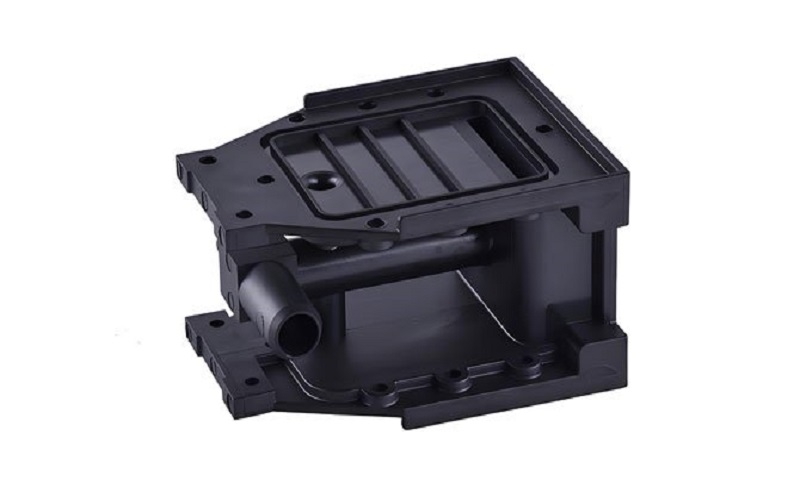
PPS injection molding is primarily used for metal replacement in heavy-duty, safety-critical, or high-reliability applications.
To enhance its mechanical properties, PPS is often compounded with glass fiber reinforced grades or other fillers, which significantly improve stiffness, dimensional stability, and flame resistance.
Manufacturers almost always use filled grades of PPS, compounding the resin with 30% to 40% glass fibers or mineral fillers to enhance mechanical strength.
The fiber orientation during injection molding directly affects the mechanical performance and dimensional variation of the final PPS parts, making mold design and material preparation critical key considerations.
Key Characteristics Of PPS Material
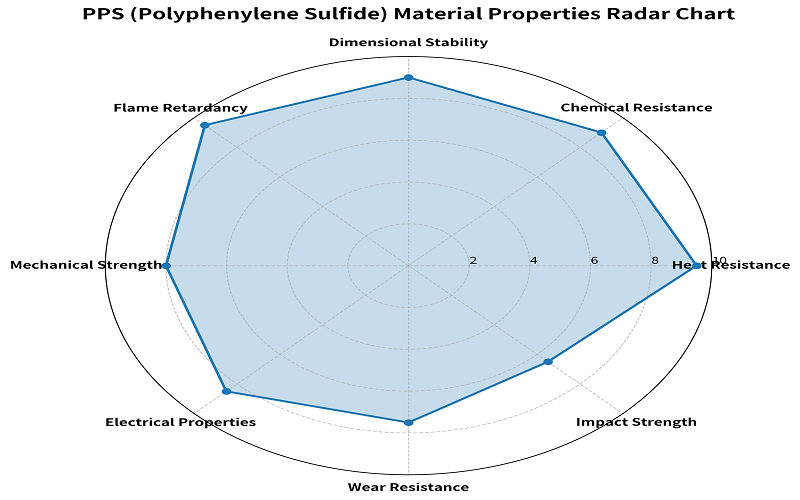
Polyphenylene sulfide possesses several essential properties that make it highly valued in injection molding applications.
Chemical Resistance
One of the most notable features is its excellent chemical resistance; PPS can withstand exposure to acids, alkalis, fuels, oils, and various harsh chemicals without degradation, making it suitable for use in corrosive environments.
Dimensional Stability
Another critical characteristic is its excellent dimensional stability. Due to its low moisture absorption—virtually zero compared to many other engineering plastics—PPS parts maintain their shape and tolerances even under varying humidity conditions.
This excellent dimensional stability is essential for applications requiring high precision and long-term reliability.
Thermal Properties
Polyphenylene sulfide (PPS) is renowned for its excellent heat resistance, with a melting point of approximately 280°C, making it highly suitable for various high-temperature applications.
PPS features a very high continuous-use temperature (typically exceeding 200°C) and excellent heat deflection performance. Even in high-temperature environments, PPS maintains its mechanical integrity, making it applicable in many conditions where other engineering plastics would soften or creep.
Mechanical Properties
The material’s crystallinity contributes to its excellent mechanical properties, including high stiffness and strength, especially when compounded with glass fibers or mineral fillers.
PPS can be brittle in its unmodified state, necessitating careful design to prevent failure in high-stress applications.
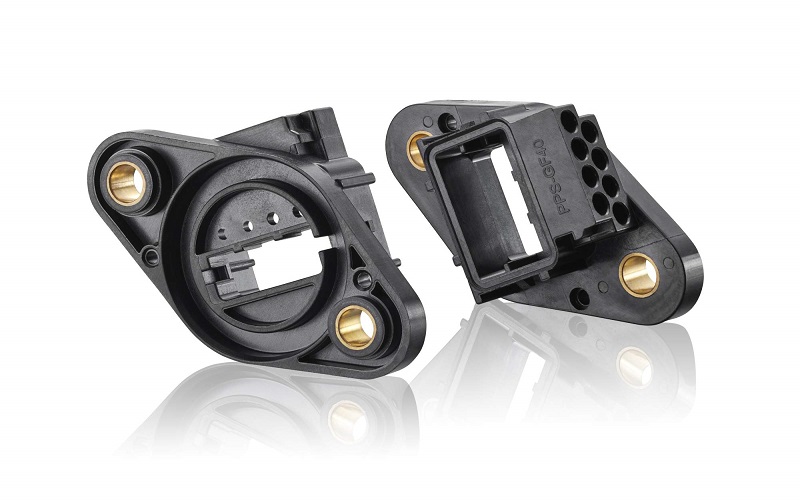
Due to its combination of chemical resistance, excellent dimensional stability, and thermal endurance, PPS injection molding parts are widely utilized in automotive connectors, electrical connectors, medical devices, and components exposed to harsh environments.
Key Considerations Of PPS Injection Molding Process
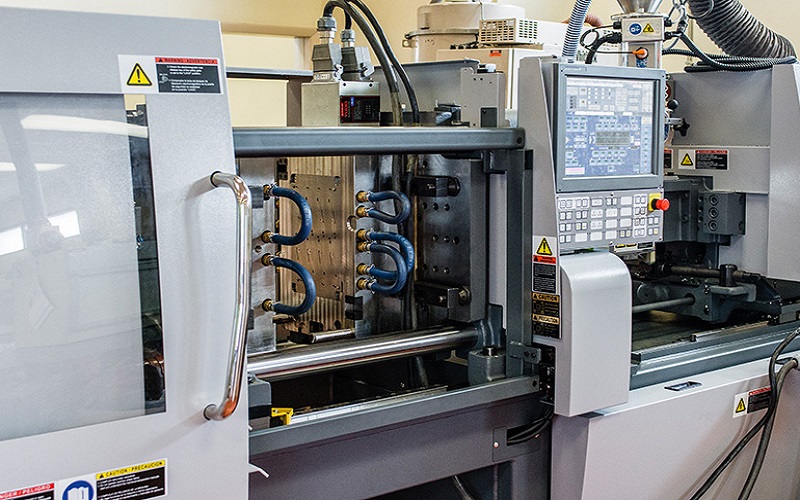
PPS injection molding requires comprehensive consideration of multiple factors to ensure the quality and performance of the parts reach the optimal state. Reasonable processing conditions are crucial to prevent material degradation and to achieve the maximum crystallinity and structural performance of the parts.
Mold Temperature Control
In PPS injection molding, mold temperature control is extremely important, as insufficient crystallization can lead to reduced strength and heat resistance.
PPS injection molding requires high mold temperatures, typically between 120–160 °C, to achieve proper crystallization and weld-line strength, which increases tooling complexity and energy consumption.
Injection Speed and Pressure
Injection speed must be optimized to balance flowability and shear stress. Too slow an injection speed can cause short shots, especially in thin wall sections, while excessive speed may induce internal stresses or fiber breakage in filled grades.
Pressure settings also play a critical role in filling the mold completely and minimizing defects such as short shots and sink marks.
Wall Thickness and Part Geometry
Wall thickness significantly affects cooling rates and shrinkage behavior. Thin walls require precise control of injection parameters to avoid premature freezing and short shots.
Complex part geometry demands careful gate placement and flow direction design to ensure uniform filling and minimize weld lines or warpage.
By understanding and controlling these process parameters, manufacturers can leverage the unique properties of PPS to produce high-quality, reliable parts suited for demanding applications.
Parameter | Recommended Range |
|---|---|
Injection Barrel Temperature | 290°C – 320°C |
Mold Temperature | 120°C – 160°C |
Injection Speed | Medium to High |
Holding Pressure | 50 – 80 MPa |
Cooling Time | 20 – 60 seconds |
Screw Speed | 30 – 60 rpm |
Drying Conditions | 120°C for 2 – 4 hours |
Common Processing Challenges In PPS Injection Molding
Common processing challenges in PPS injection molding include short shots caused by low melt or mold temperatures, which lead to premature freezing of the material in thin sections and incomplete filling of the mold.
Additionally, PPS exhibits anisotropic shrinkage influenced by fiber orientation and resin flow patterns, resulting in potential warpage or dimensional inaccuracies if not properly managed.
Proper mold design, including optimized gate placement and balanced cooling systems, combined with controlled injection pressure and temperature, helps minimize deformation and internal stresses, ensuring consistent dimensional accuracy in mass production.
Furthermore, PPS is a premium-tier engineering plastic with a higher raw material cost compared to standard plastics, which necessitates careful process optimization to reduce scrap rates and improve manufacturing efficiency.
Challenges such as weld-line weaknesses and brittle fractures can also occur if processing parameters like injection speed and mold temperature are not precisely controlled.
Addressing these issues through advanced process monitoring and mold maintenance is critical for producing high-quality PPS components with reliable mechanical and thermal performance.
Applications Of PPS Plastic Injection Molding
PPS injection molded components are widely used in automotive applications, including under-hood components, electrical assemblies, and connectors, due to their excellent thermal and chemical resistance.
Automotive Parts
PPS is widely used for manufacturing automotive components exposed to high heat, such as fuel system parts, electronic sensors, and under-hood assemblies, where excellent thermal and chemical resistance is essential.
PPS injection molded components play a critical role in automotive applications, including connectors, electrical assemblies, and other parts that require durability under harsh operating conditions.
Medica Devices
In the medical field, PPS is employed for instruments and diagnostic components that demand high sterility, resistance to radiation, and the ability to withstand steam sterilization processes.
Industrial Components
Industrial applications of PPS include pump components, sensor housings, and various electronic parts, where functional reliability and long-term performance are prioritized over cosmetic appearance.
Electronics Industry
Additionally, PPS is ideal for manufacturing electrical connectors, terminal blocks, and thermostat housings due to its outstanding flame retardancy, electrical insulating properties, and low shrinkage, which ensures dimensional stability.
The versatility of PPS injection molding, combined with its extensive experience in producing complex parts, also enables advanced techniques such as insert molding and secondary machining to meet diverse production requirements and optimize production costs.
Conclusion
PPS injection molding is a specialized and highly effective process for producing durable, heat-resistant, and chemically stable components across various demanding industries.
Its unique material properties, including excellent dimensional stability, chemical resistance, and thermal endurance, make PPS an ideal choice for automotive, medical, electronics, and industrial applications.
However, successful PPS injection molding requires precise control of processing parameters such as mold temperature, injection speed, and mold design to overcome challenges like anisotropic shrinkage and weld-line weaknesses.
By optimizing these factors and leveraging advanced manufacturing techniques, injection molding manufacturers can produce high-quality, reliable parts that meet stringent performance requirements while benefiting from PPS’s metal-replacement capabilities.
Overall, understanding the material characteristics and process intricacies of PPS injection molding is essential for achieving consistent, cost-effective production of premium engineering plastic components.