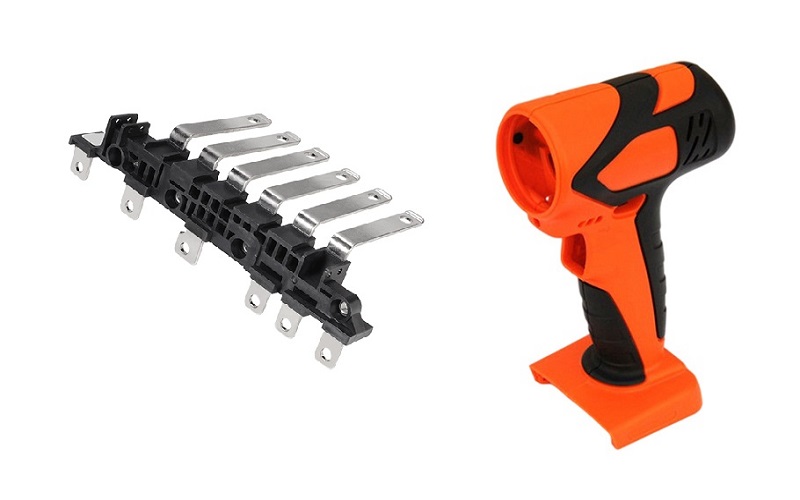
Insert molding and overmolding are two essential manufacturing processes widely used in the production of durable products.
Both techniques involve combining multiple materials to create a single, cohesive part, but they differ significantly in their methods, applications, and benefits.
Insert molding involves injecting one shot of molten plastic, while overmolding involves injecting two shots of materials to form the substrate and the overmold.
Understanding the distinctions between insert molding vs overmolding is crucial for engineers and manufacturers aiming to optimize product performance, reduce assembly costs, and streamline the injection molding process.
In the following content, we will explore the main differences between insert molding and overmolding manufacturing techniques to help you make an informed decision for your next manufacturing project.
What Is Insert Molding?
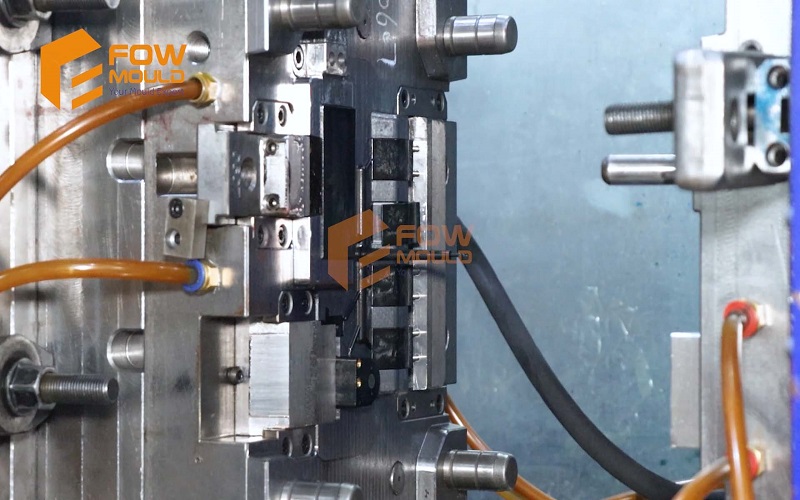
Insert molding is a manufacturing process where pre-placed inserts, typically metal components, are positioned inside a mold cavity before molten plastic is injected.
During the injection molding process, the plastic material flows around the inserts, encapsulating them and forming a single, unified part.
This process is especially beneficial when threaded fasteners or metal components need to be securely embedded within a plastic handle or housing, eliminating the need for post-molding assembly and reducing overall assembly costs.
Common inserts include threaded metal inserts , metal parts like pins or blades, and other metal components that provide enhanced strength, wear resistance, or electrical conductivity to the final injection molded part.
The process is typically a one-step procedure using an injection molding machine, making it a cost-effective option for high volume production of multi-material products.
The mechanical bonding between the molded plastic and metal inserts ensures durable and reliable parts suitable for various industries, including automotive, electronics, and medical devices.
What Is Overmolding?
Overmolding is a versatile process that typically involves a two-step or multi-step injection molding procedure.
First, a rigid substrate material is molded, and then a second material—usually softer or of a different type—is injected onto its surface to form a protective or functional covering layer.
This technique allows the combination of different materials to enhance both the functionality and aesthetics of the final product.
Overmolding is commonly used in items requiring improved grip, comfort, or anti-slip properties, such as toothbrush handles, hand tool grips, and plastic housings.
By covering a rigid plastic substrate with thermoplastic elastomers or rubber materials, effects like soft seals, vibration damping, and shock absorption can be achieved.
Additionally, overmolding can utilize two-shot molding technology to combine multiple colors and materials, meeting complex design requirements.
Although the mold design and manufacturing for overmolding are more complex and costly, it can effectively save assembly time and reduce overall manufacturing costs for high-volume production.
Differences Between Overmolding And Insert Molding
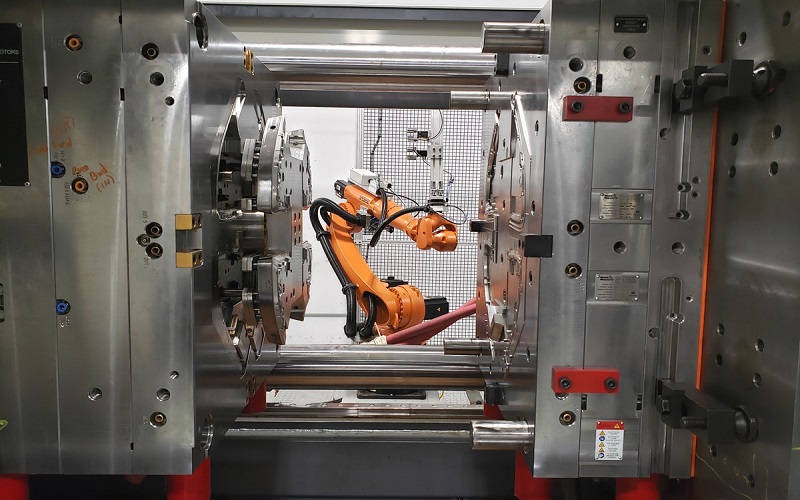
Overmolding and insert molding differ in several key aspects: Overmolding uniquely involves molding two different plastic components in succession within the same tool, on the same machine, and during the same cycle.
This process requires more complex and consequently more expensive tooling. In contrast, only insert molding supports the incorporation of metal components into the molded part.
Material Differences
In insert molding, the inserts are typically metal components such as threaded inserts, metal pins, or blades, which provide mechanical strength, wear resistance, and electrical conductivity to the plastic parts.
The plastic used is often engineering plastics that mechanically bond with the metal inserts during the molding process.
Overmolding primarily involves combining two or more plastic materials, commonly molding a softer thermoplastic elastomer or rubber material over a rigid plastic substrate to form the overmolded material layer.
The material selection must ensure compatibility to achieve strong chemical or mechanical bonding between layers.
Process Differences
Insert molding is a one-step process where the pre-placed metal or plastic inserts are encapsulated by molten plastic in a single injection cycle.
On the other hand,overmolding is a more complex two-step process involving multi material molding. It typically uses a complex two shot mold or separate molds, where the substrate is first molded, then placed into a second mold for the overmolding stage.
This process combines two materials to create a unified part with enhanced functionality and aesthetics.
|
Comparison Dimension |
Insert Molding |
Overmolding |
|---|---|---|
|
Insert Type |
Metal, electronic parts, and other non-plastic preformed inserts |
Plastic substrate already molded |
|
Number of Injection Shots |
One-shot |
Two-shot / Multi-shot |
|
Process Complexity |
Lower |
Higher (requires precision molds or two-shot machines) |
|
Cycle Time |
Shorter |
Longer |
|
Typical Cost |
Simple molds, lower per-part cost |
Complex molds, higher upfront investment |
Overmolding vs Insert Molding : Advantages And Disadvantages Comparison
Both overmolding and insert molding offer distinct advantages and disadvantages that influence their suitability for different manufacturing projects.
Advantages of Insert Molding
-
Complementary Material Advantages: Combines the lighter weight and insulation properties of plastic with the rigidity and conductivity of metal.
-
Integrated Molding: Eliminates secondary processes such as welding, riveting, and assembly, reducing labor and material costs.
-
Design Flexibility: Allows embedding of complex-shaped metal parts, electronic components, coils, springs, etc., to achieve functional integration.
-
High Precision and Consistency: Automated production ensures stable product dimensions, suitable for large-scale manufacturing.
Disadvantages of Insert Molding
-
Limited to Pre-Formed Inserts: Insert molding requires pre-made metal or plastic inserts, which can add to material and preparation costs.
-
Design Constraints: Sharp corners or complex insert shapes may complicate mold design and affect plastic flow.
-
Mechanical Bonding Only: Since chemical bonding between metal and plastic is limited, mechanical design features must ensure part integrity.
Advantages of Overmolding
-
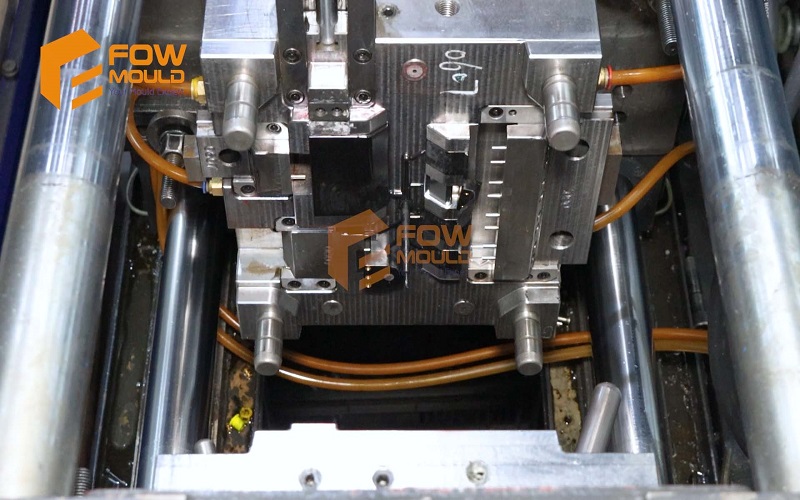
Enhanced Product Functionality: Overmolding allows combining multiple materials, such as soft thermoplastic elastomers over rigid substrates, to enhance grip, comfort, and aesthetics.
-
Chemical and Mechanical Bonding: The process can achieve strong adhesion between layers, improving part durability and sealing capabilities.
-
Multi-Material and Color Options: Two-shot overmolding enables the creation of visually appealing overmolded parts with multiple colors and textured surface.
-
Suitable for Medical Devices: The ability to combine biocompatible materials makes overmolding valuable in healthcare applications.
Disadvantages of Overmolding
-
Higher Tooling Costs: The need for specialized equipment and complex molds increases upfront investment.
-
Longer Cycle Times: Multi-step injection processes typically take more time per part compared to insert molding.
-
Material Compatibility Challenges: Selecting compatible substrate and overmold materials is critical to ensure strong bonding and avoid defects.
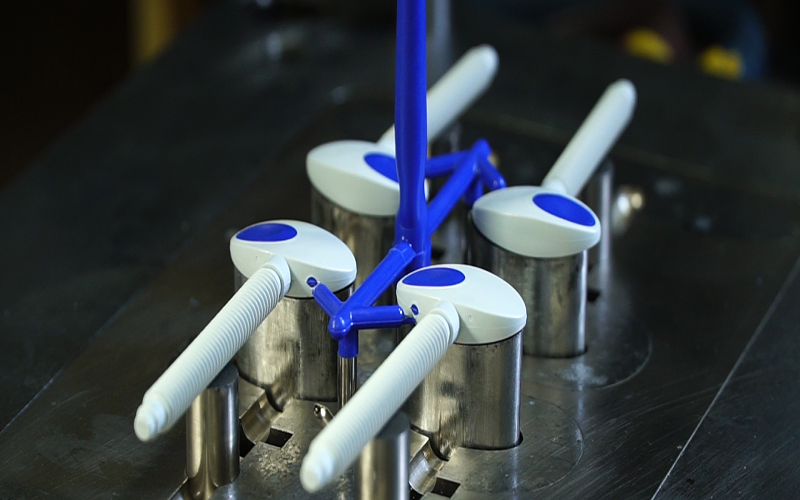
Choosing between insert molding and overmolding depends on factors such as production volume, part design complexity, material requirements, and cost considerations.
Understanding these advantages and disadvantages helps manufacturers select the most suitable process for their specific application.
Insert Molding vs Overmolding : Common Applications
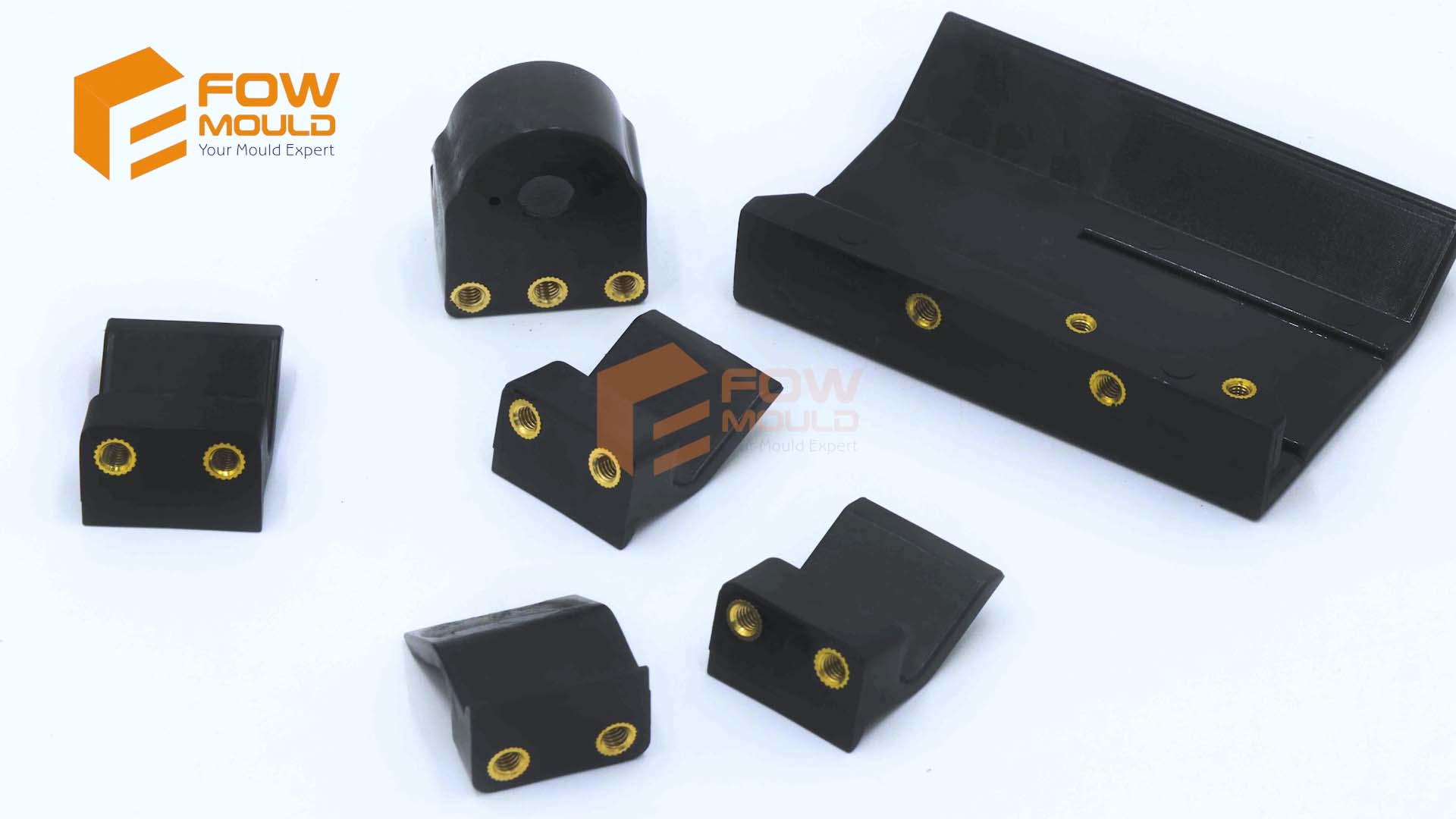
Insert molding is primarily used to embed metal components or preformed rigid inserts into plastic parts, forming a strong bond.
It is commonly applied in scenarios where metal parts require wear resistance, electrical conductivity, or structural support.
Typical applications include:
-
Automotive dash panels
-
Electronic sensors and connectors
-
Hand tools such as screwdriver handles
-
Housings and handles for medical devices
-
Knobs and control panels for industrial equipment
Overmolding is mainly used to cover a rigid plastic substrate with a softer material to enhance grip, comfort, anti-slip performance, and aesthetics.
It is commonly found in :
-
Toothbrush handles and razors
-
Drills and screwdrivers
-
Outdoor gear
-
Dashboard controls and gear shifters
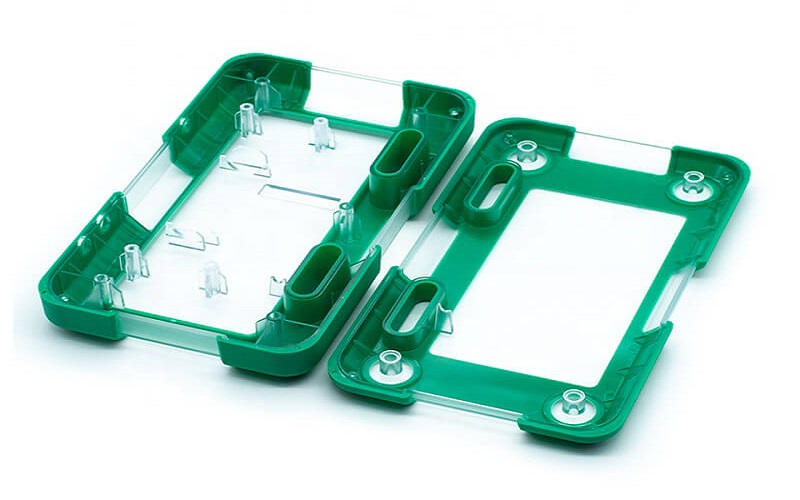
In summary, insert molding is suitable for “plastic over metal” structures, emphasizing mechanical strength and functional integration; overmolding focuses on “plastic over plastic,” aiming to improve product functionality and appearance.
Both processes can reduce post-molding assembly steps, increase production efficiency, and lower costs.
How To Choose Between Insert Molding And Overmolding ?
When choosing between insert molding and overmolding, injection molding manufacturers need to consider multiple factors to ensure the final product meets functional requirements while being cost-effective. Here are several key considerations:
Material Requirements
Insert molding is typically used to securely encapsulate metal components within plastic, suitable for applications requiring mechanical strength, wear resistance, or electrical conductivity.
Overmolding, on the other hand, often involves covering a rigid plastic substrate with soft thermoplastic elastomers or rubber materials to enhance grip comfort, anti-slip performance, and aesthetic appeal.
Production Process Complexity
Insert molding is generally a one-step injection molding process with shorter cycle times and relatively simple mold design, making it suitable for high-volume production.
Overmolding usually requires a two-step or multi-step injection process, involving more complex and costly molds but enabling the combination of multiple materials and colors to meet more intricate design needs.
Cost and Production Volume
Insert molding has lower initial investment due to simpler molds and processes, making it ideal for medium to high-volume batch production.
Although overmolding entails higher mold costs, it reduces subsequent assembly operations and is suitable for high-volume projects demanding enhanced product functionality and appearance.
Product Design and Functionality
If the product design requires embedding metal parts to improve structural strength or electrical performance, insert molding is the preferred choice.
Conversely, if improving the product’s tactile feel, appearance, or adding soft seals and vibration damping is needed, overmolding is more appropriate.
Material Compatibility
Overmolding demands higher compatibility between substrate and overmold materials to ensure strong chemical or mechanical bonding and prevent delamination or peeling.
In summary, the choice between insert molding and overmolding depends on specific product requirements, design complexity, budget, and production volume.
Insert molding is more suitable for projects that require embedding metal components to enhance structural or electrical properties, especially for medium to high-volume products with stringent mechanical demands.
Overmolding offers superior multi-material integration for products emphasizing grip comfort, aesthetics, and soft sealing or vibration damping, fitting high-volume projects with more complex designs.