
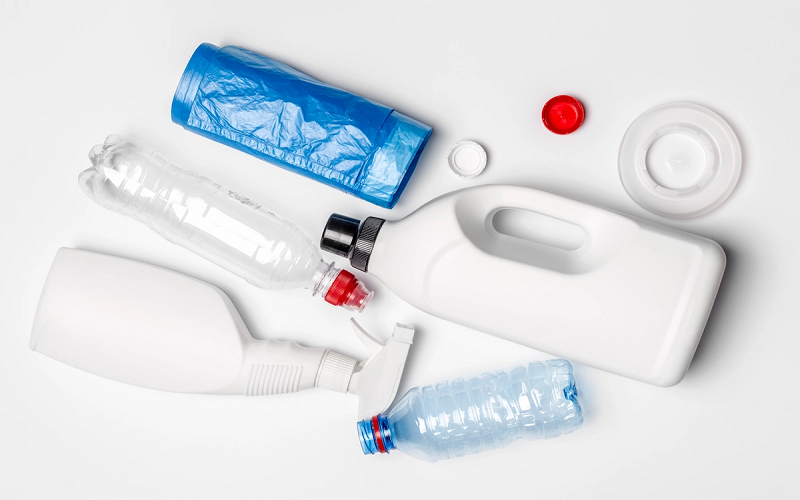
In both the manufacturing industry and everyday life, polyethylene stands out as a vital thermoplastic polymer widely used to produce a variety of plastic products. It’s easily machinable, compatible with other materials, and relatively inexpensive.
Among its many forms, HDPE and LDPE are the two most prevalent types of polyethylene materials.Though they share the same chemical family, subtle differences in their molecular structures lead to distinct physical properties, processing techniques, and practical uses.
LDPE is soft, flexible, semi-transparent, and easily stretchable, commonly found in items like plastic bags and flexible packaging materials.
In contrast, HDPE is rigid, impact-resistant, and offers excellent dimensional stability, making it the preferred choice for products .
This article explores the key differences and unique advantages of HDPE vs LDPE, providing you with the insights needed to select the right material for your upcoming project in manufacturing or daily applications.
What Is High Density Polyethylene(HDPE)?
High-density polyethylene (HDPE), also known as low-pressure polyethylene, is synthesized through methods such as Ziegler-Natta polymerization and coordination polymerization.
This structure gives HDPE a high density (approximately 0.941 to 0.965 grams per cubic centimeter) and excellent strength and rigidity.
HDPE is resistant to chemical corrosion and can be UV-resistant, making it suitable for heavy duty applications, food containers, cutting boards, chemical tanks, and other industrial and consumer goods.
It has a higher melting point (around 120 to 160 degrees Celsius), good thermal stability, and is suitable for high-temperature environments.
HDPE supports high-precision CNC machining and additive manufacturing, has excellent resistance to stress cracking, and is suitable for high-pressure and high-strength conditions.
In summary, HDPE is quite a versatile material and easily processed thermoplastic material ideal for a wide range of heavy-load and high-performance applications.
What Is Low Density Polyethylene(LDPE)?
Low-density polyethylene (LDPE) is produced using free-radical polymerization, which involves high pressure and temperature.
Its polymer chains have many branches of varying lengths, resulting in a loose structure with low crystallinity and a density typically ranging from 0.910 to 0.940 grams per cubic centimeter.
LDPE offers good flexibility and transparency. It has a lower melting point, approximately 105 to 115 degrees Celsius, making it suitable for injection molding and heat sealing processes.
LDPE material exhibits excellent impact resistance, chemical resistance, and moisture resistance, and is widely used in food and beverage containers, plastic film, flexible packaging, plastic bags, and medical devices.
Additionally, LDPE has excellent electrical insulation properties and is commonly used in industrial fields such as cable sheathing.
Compared to HDPE, LDPE has lower heat resistance, is more susceptible to the effects of carbon dioxide, and is more prone to stress cracking, making it unsuitable for high-temperature and high-strength applications.
Nevertheless, due to its lightweight nature and ease of processing, LDPE remains an ideal material for many light industrial and consumer product manufacturing applications.
HDPE vs LDPE: What's The Difference?
HDPE and LDPE are both a result of polymerization of polyethylene. This chemical process causes monomers to connect into long chains of hydrocarbons. As these chains form, strands branch off into other directions. The branching pattern determines the strength and density of the
Molecular Structure
HDPE has a linear structure with virtually no branching in its molecular chains, allowing the hdpe molecules to pack tightly and form a highly crystalline structure. Its density typically ranges from 0.941 to 0.965 grams per cubic centimeter, giving it high strength and rigidity.
In contrast, LDPE’s molecular chains have numerous branches of varying lengths, resulting in a looser structure with lower crystallinity and a density generally between 0.910 and 0.940 grams per cubic centimeter. This gives LDPE better flexibility and transparency.
Mechanical Properties
Regarding mechanical properties, HDPE exhibits excellent high tensile strength, impact resistance, and wear resistance, making it suitable for applications that require withstanding high mechanical stress and pressure, such as heavy-duty packaging, pipes, and fuel tanks that demand high strength and corrosion resistance.
On the other hand,LDPE is known for its good elasticity and impact resistance, making it ideal for manufacturing plastic bags, flexible packaging materials, and squeeze bottles .
Thermal Properties
In terms of thermal performance, HDPE has a higher melting point, approximately 120 to 160 degrees Celsius, offering better thermal stability and heat resistance, enabling it to withstand higher processing and operating temperatures.
LDPE has a lower melting point, about 105 to 115 degrees Celsius, making it more suitable for injection molding and heat sealing processes but unsuitable for high-temperature applications.
Chemical Resistance
Additionally, HDPE boasts excellent chemical resistance and demonstrates superior resistance to stronger chemicals and stress cracking compared to LDPE.
LDPE is stable against acids, alkalis, and salt solutions but is easily damaged by concentrated nitric acid and aromatic hydrocarbons, due to its good electrical insulation properties and low moisture absorption, is widely used in cable sheathing and medical devices.
Although LDPE and HDPE have considerable resistance, their durability is inferior to other plastics.
In summary, LDPE and HDPE as two important plastic materials, each meet diverse industrial and consumer needs through their unique molecular structures and performance advantages.
|
Property |
HDPE (High-Density Polyethylene) |
LDPE (Low-Density Polyethylene) |
|---|---|---|
|
Molecular Structure |
Linear chains, tightly packed, high crystallinity |
Branched chains, loosely packed, low crystallinity |
|
Density (g/cm³) |
0.941 – 0.965 |
0.910 – 0.940 |
|
Tensile Strength |
High |
Moderate |
|
Flexibility |
Low (rigid) |
High (flexible) |
|
Impact Resistance |
Excellent |
Excellent |
|
Melting Point (°C) |
120 – 160 |
105 – 115 |
|
Transparency |
Opaque |
Semi-transparent |
|
Recycling Code |
2 |
4 |
Comparison of Injection Molding Processes for HDPE and LDPE
The injection molding performance of these two materials differs significantly.LDPE injection molding typically occurs at lower temperatures and pressures, making the processing easier and more cost-effective.
Due to its highly branched molecular structure, LDPE exhibits excellent flow properties during molding, making it ideal for producing complex shapes and thin-walled products such as plastic bags, flexible packaging materials, and medical device housings.
In contrast, HDPE requires higher temperatures and pressures during injection molding process to ensure complete melting and proper forming because of its linear and highly crystalline molecular structure.
Products molded from HDPE possess superior mechanical strength and outstanding chemical resistance, making them suitable for industrial applications that demand high strength and durability, such as pipes, fuel tanks, chemical storage tanks, and outdoor furniture.
Moreover, HDPE molding results in components with excellent dimensional stability and superior strength, making it the ideal choice for manufacturing industrial parts that demand high precision and intricate geometries.
On the other hand, LDPE is widely used in packaging and cable sheathing due to its flexibility and transparency.
Applications Of HDPE And LDPE Material
Both have their unique characteristics and applications, making them vital materials in various industries.
HDPE is known for its excellent strength-to-density ratio, making it suitable for applications requiring sturdy and robust materials.
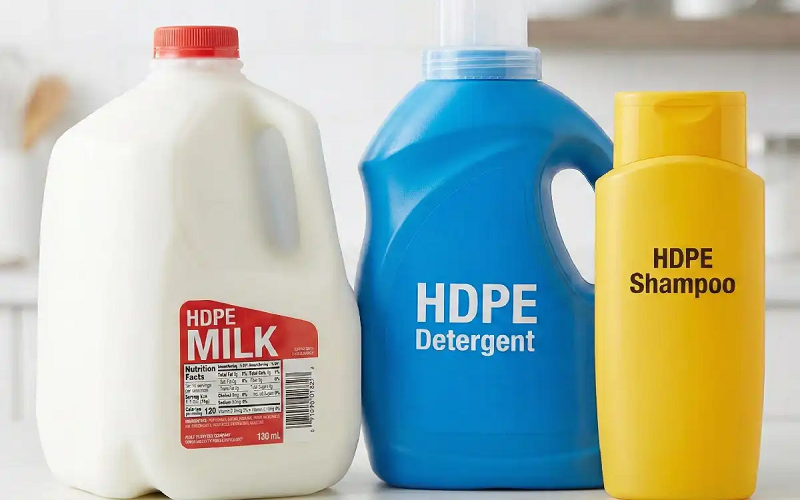
Common applications of HDPE include heavy-duty packaging for bulk or blunt-edged products, food and beverage bottles, pipe flanges, chemical tanks, outdoor furniture, and durable piping systems.
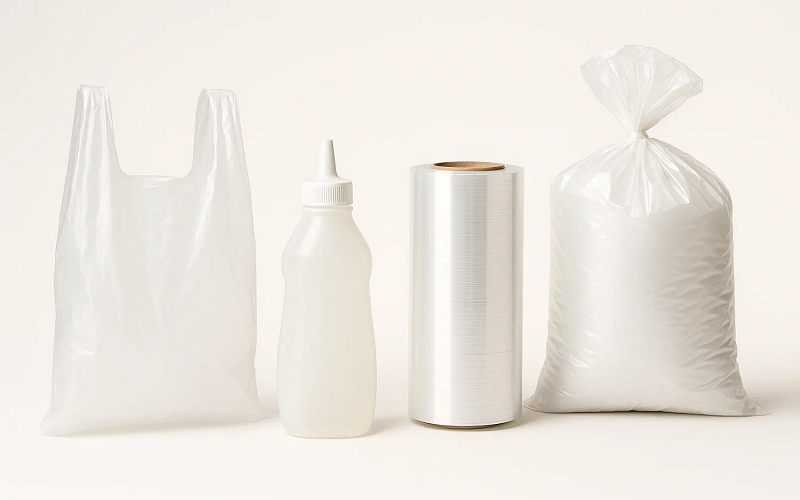
On the other hand, LDPE is typically used for soft packaging applications such as plastic wraps and sandwich bags, and grocery bags.
LDPE is a common material used to manufacture orthotics and prosthetics.Its excellent flexibility, transparency, moisture resistance, and electrical insulation properties also make it suitable for medical devices,
Together, HDPE and LDPE serve a broad range of uses across consumer goods, industrial applications, and medical fields, each material chosen based on the specific demands of strength, flexibility, chemical resistance, and processing requirements.
Environmental Impact Of LDPE And HDPE
In today’s world where environmental protection is increasingly emphasized, the recycling and environmental impact of LDPE and HDPE have become important topics.
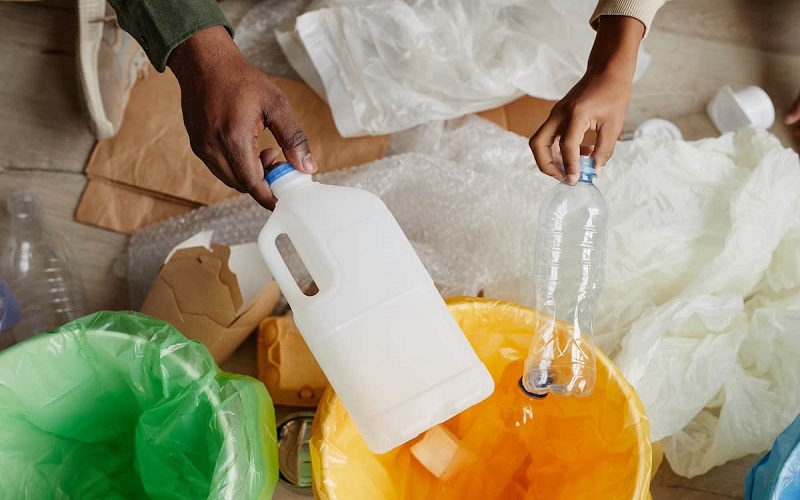
Due to its tightly packed molecular structure and higher density, HDPE is relatively easier and more efficient to recycle and is typically assigned the recycling code “2.”
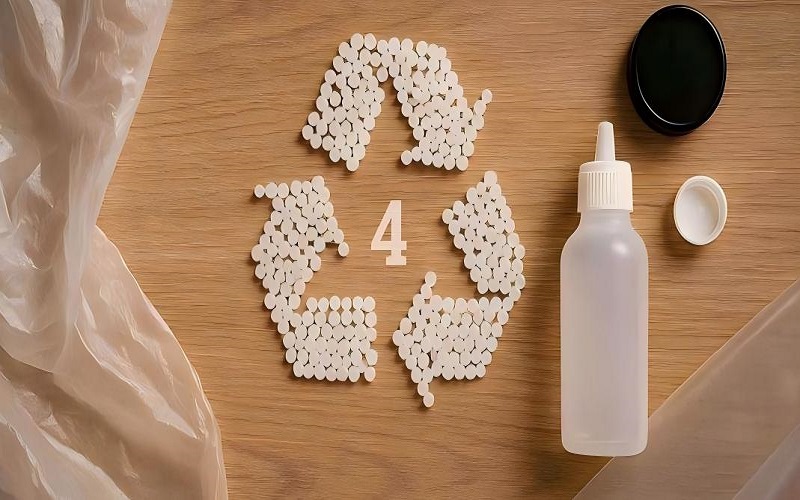
In contrast, LDPE is more difficult to recycle mainly because of its looser and softer molecular structure, which can cause clogging in recycling equipment. Its recycling code is “4.”
Compared to recycling LDPE, recycling HDPE offers advantages in cost-effectiveness and energy efficiency. Recycling HDPE not only conserves resources but also helps reduce plastic waste pollution, making it widely promoted for reuse.
Furthermore, both LDPE and HDPE involve polymerization reactions of ethylene gas during their production and processing, and the environmental impact of this process is also a concern.
By adopting more environmentally friendly production methods and promoting sustainable use of materials, the plastics industry is striving to minimize negative environmental effects.
In summary, choosing between LDPE and HDPE should consider not only their performance and application requirements but also their environmental impact and recyclability.
Conclusion
In summary, understanding the differences between HDPE vs LDPE is essential for selecting the right plastic material for your needs.
HDPE, with its high strength, rigidity, and excellent chemical resistance, is the ideal choice for industrial and consumer products that require durability and dimensional stability, suitable for applications in high-temperature and high-pressure environments.
In contrast, LDPE offers greater flexibility, transparency, and ease of processing, making it suitable for soft packaging and lightweight products.
If you would like to inquire about HDPE and LDPE injection molding projects, please contact FOWMOULD. We will provide you with professional technical support and customized solutions in the shortest possible time to ensure your project proceeds smoothly and achieves the best results.