
Plastic cups are widely used in daily life due to their lightweight, affordability, and versatility. Whether for hot beverages at coffee shops or cold beverages at juice bars, plastic cups play an essential role.
Plastic cups are categorized by the type of resin used in their production, which determines their durability, temperature resistance, and clarity.Different types of plastic cups feature distinct materials, each suited to various beverages and occasions.
This article will provide an in-depth understanding of the common types of plastic cups, highlighting their key features, applications, advantages, disadvantages, and environmental considerations, offering practical guidance for selection and use of high quality plastic cups.
Most Popular Types Of Plastic Cups
Plastic cups are manufactured from various materials, each with distinct properties that make them suitable for specific uses.
The most common types include polyethylene terephthalate (PET), polypropylene (PP), polystyrene (PS), high-density polyethylene (HDPE), and polylactic acid (PLA) cups.
However, it is important to note that not all plastics are created equal—each type has unique properties that affect its suitability for different uses and environmental impact.Understanding these materials helps businesses and consumers choose the right plastic cup for their needs.
Polyethylene Terephthalate (PET) Cups
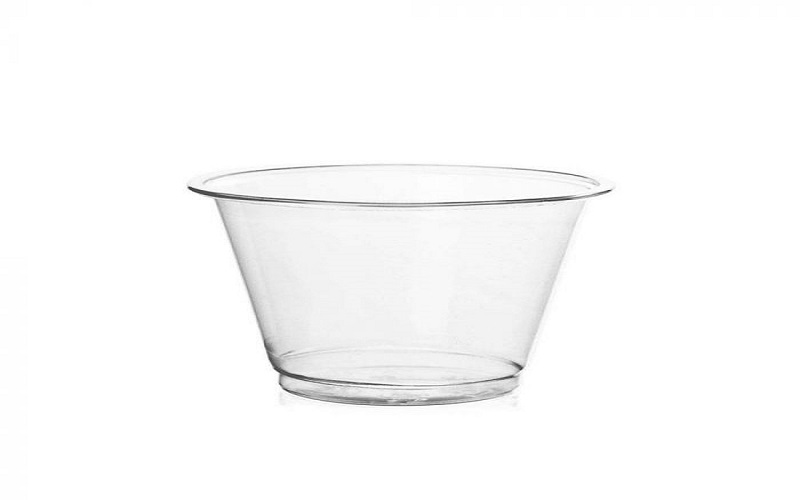
Polyethylene Terephthalate (PET) is a clear and durable plastic that is highly recyclable, making it one of the most commonly used plastics for cold beverage cups.
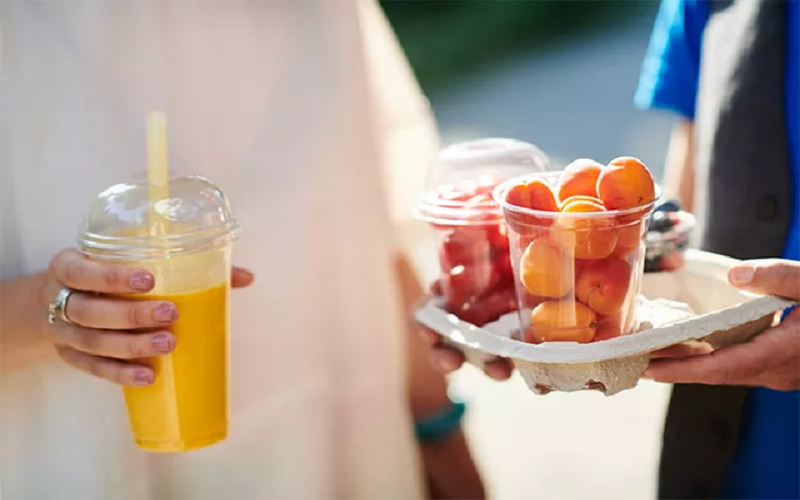
PET cups are best for cold beverages due to their clear plastic, glass-like appearance and strength, making them perfect for drinks like iced tea, iced coffee, smoothies, and bubble tea.
PET plastic is a thermoplastic polymer that offers high durability and is widely recycled, often identified by the recycling number 1. These cups are commonly found in fast food chains, bubble tea shops, and juice bars.
PET cups are produced using blow molding or PET injection molding techniques, offering cost-effective solutions with excellent clarity. However, PET is not suitable for hot beverages as it begins to deform at temperatures above 70°C (158°F), which limits its use to cold drinks only.
Polypropylene (PP) Cups
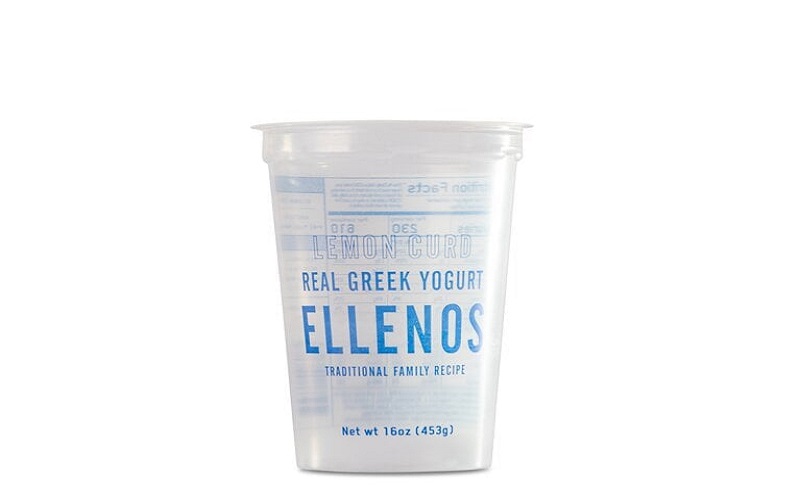
Polypropylene (PP) is a versatile plastic known for its durability and heat resistance, making it suitable for hot beverages and microwavable applications.Polypropylene cups are typically produced via polypropylene injection molding and are identified by recycling number 5.
Polypropylene cups are highly resistant to heat, making them suitable for hot and cold beverages such as coffee, tea, and soups.
PP cups can handle temperatures up to 120°C (248°F) without warping, making them a popular choice for reusable cups and food containers like yogurt containers and syrup bottles. They are known for their high durability and chemical resistance.
Despite their slightly opaque appearance compared to PET, PP cups are favored for their heat resistance and affordability.
Polystyrene (PS) Cups
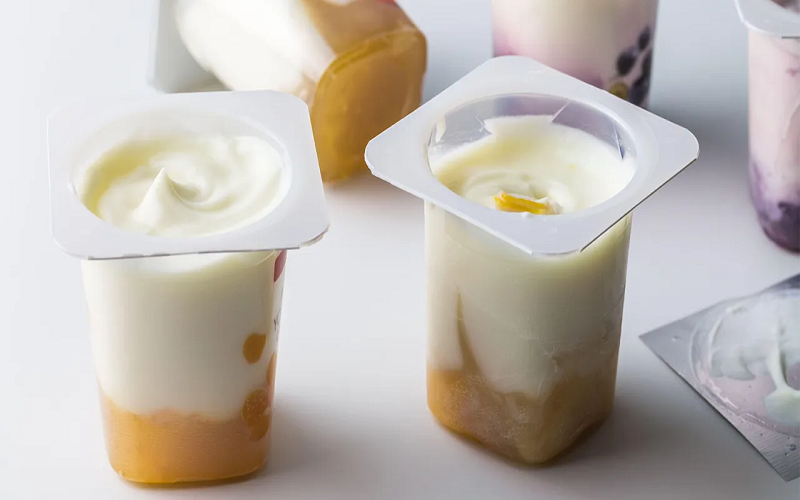
Polystyrene (PS) is a low-cost plastic commonly used for disposable cups, but it is considered less environmentally friendly due to its poor recyclability and potential harm to wildlife.
These cups provide a glass-like clarity that enhances the presentation of cold beverages but are brittle and prone to cracking.
Despite their affordability and clarity, PS cups are considered less environmentally friendly due to their poor recyclability and potential harm to wildlife, as they are not biodegradable and can persist in the environment for hundreds of years.
PS plastic is usually identified by recycling number 6 and are typically manufactured through PS injection molding. Their limited heat resistance makes them unsuitable for hot beverages, as they can release harmful chemicals when exposed to high temperatures.
High-Density Polyethylene (HDPE) Cups
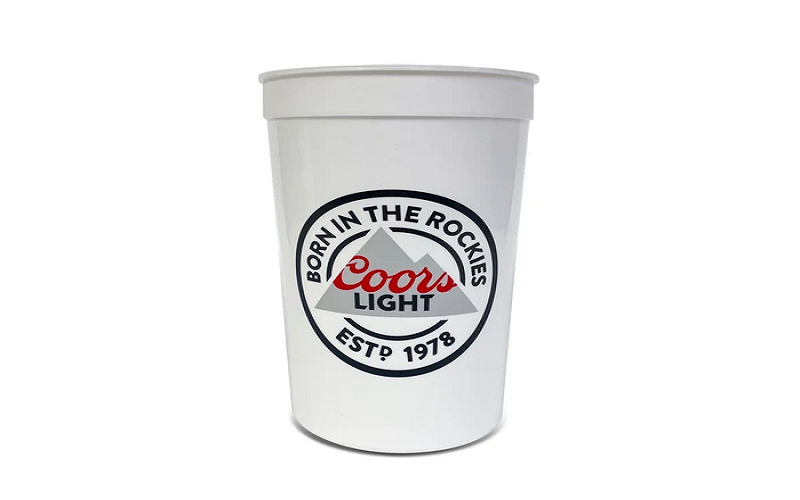
High-Density Polyethylene (HDPE) cups are strong and can be used for both hot and cold beverages, identified by the number 2 on the bottom of the cup. They are commonly used for milk jugs, shampoo bottles, grocery bags, and water bottles, and can be recycled easily.
HDPE cups offer excellent heat resistance and durability, making them suitable for a variety of applications including reusable cups.
In addition to their strength and heat resistance, HDPE cups are known for their chemical resistance, which makes them less likely to react with acidic or alkaline beverages. This property helps maintain the taste and safety of the drinks served in HDPE cups.
As an affordable option, they provide a cost effective solution for businesses seeking sturdy, eco friendly options that handle heat well.
Other Types Of Plastic Cups
Other types of plastic cups include polylactic acid (PLA) cups, which are made from renewable resources such as corn starch or sugarcane.
These compostable PLA cups are an eco-friendly alternative to traditional plastics, offering biodegradability under industrial composting conditions. However, they are not suitable for hot beverages as they can deform under high temperatures.
Additionally, Styrene Acrylonitrile (SAN) cups are known for their heat resistance and clear appearance, providing a glass-like clarity that makes them an attractive option for hot drinks. SAN cups are recyclable under the “other plastics” category, identified by recycling number 7.
These cups are often produced using injection molding, a precise manufacturing process where melted plastic is injected into molds to create detailed and consistent shapes.
While traditional plastics like PS and PET dominate the market, the introduction of compostable PLA cups and advanced manufacturing techniques like injection molding reflect the evolving landscape of plastic cup production.
By selecting from these , businesses can find the most appropriate plastic cup type based on factors like heat resistance, clarity, cost effectiveness, and eco friendliness. Custom printing options are often available across these materials to enhance branding and customer experience.
|
Plastic Type |
Suitable Temperature |
Transparency |
Heat Resistance |
Recycling Code |
Main Uses |
|---|---|---|---|---|---|
|
PET |
Cold Drinks |
High, glass-like clarity |
Low, deforms above 70°C |
1 |
Cold drink cups such as iced tea, milk tea, juice |
|
PP |
Hot/Cold Drinks |
Semi-transparent |
High, withstands up to 120°C |
5 |
Hot drink cups such as coffee, soup; microwave safe |
|
PS |
Cold Drinks |
High, glass-like clarity |
Low, not suitable for hot drinks |
6 |
Disposable cold drink cups, low-cost occasions |
|
HDPE |
Hot/Cold Drinks |
Opaque |
High, good heat resistance |
2 |
Suitable for hot and cold drinks, durable and eco-friendly |
|
PLA |
Cold Drinks |
Semi-transparent |
Low, not suitable for hot drinks |
7 |
Eco-friendly cups, suitable for cold drinks, requires industrial composting facilities support |
Environmental Impact Of Different Types Of Plastic Cups
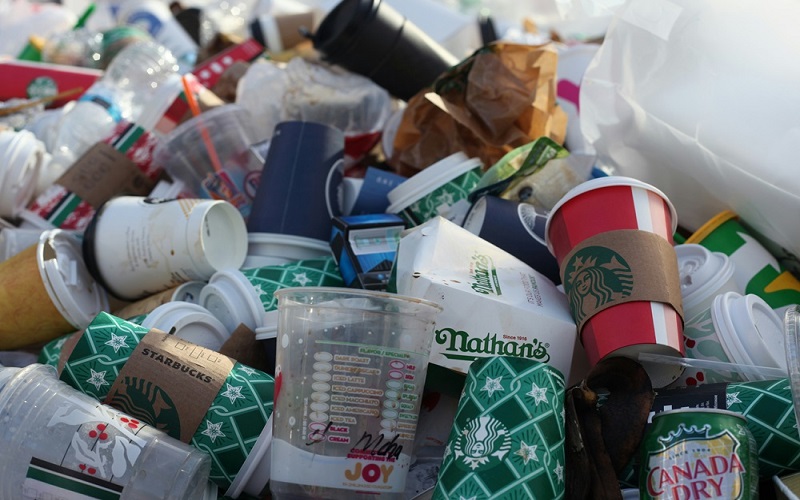
Traditional plastics such as PET, PP, and PS can take up to 450 years to decompose in landfills, causing long-term pollution.
Microplastics from plastic cups, especially with hot drinks, contaminate soil and water, harming ecosystems and health.
Biodegradable PLA cups, made from renewable resources like corn starch and sugarcane, compost under industrial conditions but don’t break down well in home compost or landfills.
PET is the most recycled plastic in the U.S., making PET cups a cost-effective, clear, and durable option. HDPE cups are also widely recyclable, strong, and suitable for reuse.
However, expanded polystyrene (EPS) and polystyrene (PS) are poorly recyclable and harmful to wildlife.
Manufacturers now develop cups balancing durability, safety, and sustainability, including blends of biodegradable and traditional plastics, and thinner designs without losing strength.
Consumers and businesses should consider the full lifecycle of plastic cups and choose recyclable or biodegradable materials, support recycling, and reduce plastic use to lessen environmental impact.
Health and Safety Considerations For Plastic Cups
Most plastics mentioned are safe for food contact when used properly. However, some plastics can leach chemicals at elevated temperatures or after extended storage. Checking recycling codes and intended-use markings protects consumers.
Plastics with Higher Health Risks
Certain plastic cups, particularly those made from polystyrene (PS) and polyvinyl chloride (PVC), can release harmful chemicals when heated, posing health risks. Styrene monomer can migrate from PS cups at high temperatures.
Plastic cups that are unlabeled pose a significant risk as they may contain harmful substances, making it is impossible to determine their safety for food and drink use. Avoid cups with strong chemical odors or unclear origin.
Relatively Safer Choices for Everyday Use
PP, PET, and HDPE are widely accepted food-contact-safe plastics when used within temperature limits. PP is generally regarded as one of the safer options for hot beverages due to its stability under heat and excellent polypropylene safety profile.
Summary
In summary, understanding the types of plastic cups and their material properties is essential for making informed choices that balance functionality, safety, and environmental impact.
From heat-resistant polypropylene (PP) cups ideal for hot beverages to clear, recyclable polyethylene terephthalate (PET) cups suited for cold drinks, each plastic type offers unique advantages and limitations.
While traditional plastics like polystyrene (PS) remain popular for their low cost, growing environmental concerns encourage the adoption of biodegradable options such as polylactic acid (PLA) cups.
By selecting the right plastic cup material and supporting proper recycling or composting practices, businesses and consumers can contribute to reducing plastic waste and promoting sustainability without compromising
FAQ
Which plastic cup material is best if my city has strong recycling programs?
PET and HDPE offer the most efficient recycling in established systems, making PET cold cups and HDPE reusable cups excellent choices. rPET cups further improve performance by incorporating recycled content. Check local guidelines to confirm which codes (1, 2, 5) your curbside or commercial systems accept, and standardize on one or two materials to simplify sorting.
Can I safely reuse single-use plastic cups at home or in the office?
Occasional reuse of PET or PP cups for cold beverages is generally acceptable if the cup shows no cracks or heavy scratching. Avoid microwaving single-use cups or filling with very hot liquids unless specifically labeled heat resistant. Deep scratches and clouding can harbor bacteria and may increase leaching—discard cups showing these signs. Purpose-made reusable cups work better for daily use.
How can I quickly tell if a plastic cup is suitable for hot drinks?
Look for recycling code 5 (PP) and any printed temperature rating or “hot drink safe” icon. PET (1), PLA (7), and PS (6) cups handle cold beverages only and may warp or release substances at high temperatures. When information is missing, contact the supplier rather than guessing—using cups clearly labeled for hot liquids is always safer.
Are compostable cups always better for the environment than recyclable plastic cups?
Not necessarily. Compostable cups like PLA deliver environmental benefits only when industrial composting facilities process them correctly. In regions without such facilities, technically recyclable PET or rPET cups may cause less environmental impact due to established recycling infrastructure. Reducing overall cup use through refill programs often provides the greatest benefit regardless of material choice.
What type of plastic cup is safest for children’s drinks?
Choose sturdy reusable cups made from PP (5) or HDPE (2) labeled BPA-free for everyday water, milk, and juice service. Avoid serving hot liquids in any plastic cup for young children. Stainless steel or glass with silicone sleeves offer non-plastic alternatives for families minimizing plastic exposure. Always wash new cups before first use and follow manufacturer guidelines for dishwashers.