
In today’s fast-paced product development environment, one of the core challenges faced by engineers and product teams is how to efficiently and with low risk transform design concepts into verifiable physical parts.
Prototype injection molding, as a key transitional manufacturing technology, uses rapid tooling materials such as aluminum molds or pre-hardened steel to produce functional plastic parts that closely resemble mass-produced components within a short cycle time.
It not only helps design teams validate the functionality and appearance of products but also ensures that prototypes perform under real-use conditions by using the same materials as the final product.
This article will delve into the technical principles, advantages, and applications of prototype injection molding, providing a detailed guide for professionals who aim to accelerate innovation while pursuing excellent product quality.
What Is Prototype Injection Molding?
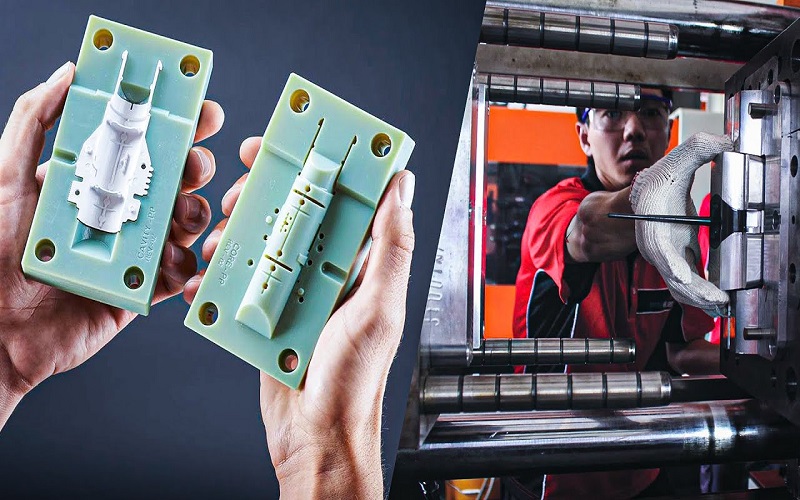
Prototype injection molding,also known as rapid injection molding, is a manufacturing process that uses injection molding technology to create small batches of plastic prototype parts.
Unlike traditional mass production molding, which uses hardened steel molds designed for high volumes, prototype injection molding employs softer, rapid tooling materials such as aluminum or mild steel to produce prototype molds quickly and cost-effectively.
This process is capable of producing functional plastic prototypes using the same materials as the final production process, with these prototypes closely matching the final mass-produced parts in terms of material properties, appearance, and performance.
This prototyping method is particularly valuable during the early stages of product development as it enables engineers and designers to test and validate part designs under real-world conditions using production-grade materials.
Prototype molds can be produced with shorter lead times—often within 1 to 3 weeks—allowing for rapid prototyping and iterative design improvements.
These molds typically support low volume production runs, making prototype injection molding an ideal solution for small batches, pilot runs, or bridge tooling while final production tooling is being manufactured.
Common Materials Used In Prototype Injection Molding
The materials used in prototype injection molding play a critical role in ensuring that the prototypes accurately simulate the properties and performance of the final production parts.
One of the key advantages of prototype injection molding is the ability to use production-grade plastics, which allows for realistic functional testing and validation.
Common materials for prototype plastic injection molding include ABS, polypropylene, and nylon. These materials are chosen for their balance of mechanical properties, cost-effectiveness, and ease of molding.
ABS plastic is widely used due to its strength and versatility, making it suitable for many prototyping purposes. Polypropylene offers good chemical resistance and flexibility, while nylon provides excellent wear resistance and toughness.
In addition to these common materials, specialized materials such as glass-filled nylon are also used in prototype injection molding to mimic the final product’s enhanced mechanical properties, including increased stiffness and high temperature resistance. This allows for the production of functional prototypes that can withstand demanding testing conditions.
Material selection is a crucial step in the design process, as choosing the right material ensures that the prototypes will perform as expected during functional testing. It also impacts the mold design, cycle times, and overall prototype production costs.
By leveraging rapid prototyping techniques such as prototype injection molding with the right material choice, teams can reduce costs and accelerate the product design cycle while ensuring the prototypes meet the necessary functional and aesthetic requirements.
Key Benefits Of Prototype Injection Molding
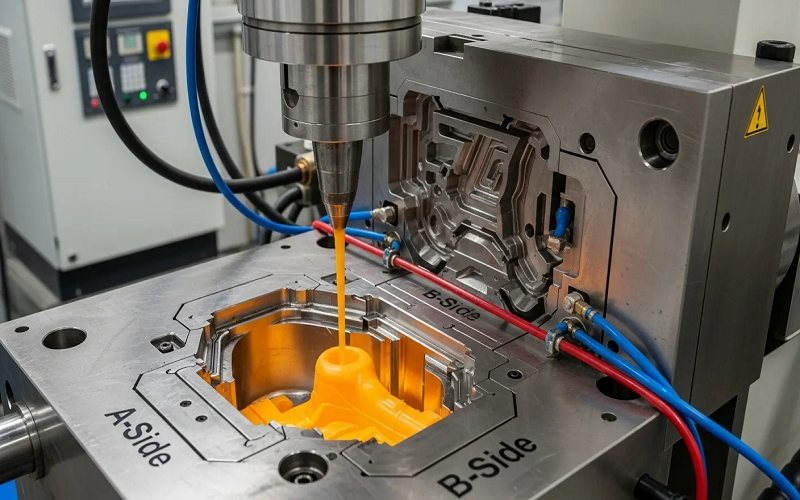
Prototype injection molding offers several significant advantages that make it an essential step in modern product development. These benefits span cost savings, time efficiency, design validation, and material fidelity, all contributing to a more streamlined and effective development process.
Cost-Effective Tooling and Production
One of the foremost benefits of prototype injection molding is the lower cost compared to traditional hardened steel tooling. Prototype molds, often made from aluminum or mild steel, require less machining time and expense, making them a cost-effective option for producing small batches of parts.
This lower initial investment allows companies to allocate budget towards design improvements and testing rather than expensive tooling upfront.
Additionally, prototype injection molding supports short production runs and low volume parts, providing a cost-effective solution for early market testing or limited product releases.
Rapid Turnaround and Accelerated Time-to-Market
Prototype tooling can be produced much faster than full-scale production molds, often within 1 to 3 weeks. This rapid lead time enables teams to quickly receive high quality prototypes for evaluation, allowing for faster iterations and design modifications.
By reducing the time-consuming steps associated with traditional tooling, prototype injection molding accelerates product development cycles and helps companies bring products to market sooner.
Functional Prototypes with Production-Grade Materials
Unlike other prototyping methods such as 3D printing or vacuum casting, prototype injection molding uses the same production-grade materials intended for full production.
This ensures that functional parts produced via this method accurately reflect the mechanical and physical properties of the final product. Using materials like ABS, polypropylene, nylon, or glass-filled resins allows for testing under realistic conditions, helping identify design flaws and material behavior early in the process.
Flexibility and Bridge to Full Production
Prototype molds often serve as soft tooling or bridge tooling, allowing teams to supply parts during the transition period while full production molds are being finalized.
This flexibility supports short production runs and small scale production needs without the high costs or long lead times of hardened tooling.
It also allows teams to respond to market demand and make design refinements based on early feedback, ensuring a smoother transition to full scale production.
Cost Savings Through Early Issue Identification
By using prototype injection molding early in the development process, teams can identify design issues and material performance problems before investing in expensive full production tooling.
This early detection of design flaws reduces costly redesigns and delays, ultimately saving time and resources. The process supports a fail-fast approach, allowing teams to iterate quickly and optimize the design efficiently.
Compatibility with Other Prototyping Methods
Prototype injection molding complements other prototyping methods such as CNC machining, 3D printing, and vacuum casting.
While 3D printing excels at rapid concept validation and CNC machining offers tight tolerances, prototype injection molding provides high quality, functional parts with production-grade materials.
This combination of methods allows teams to select the best approach for each stage of development, balancing speed, cost, and fidelity.
In summary, prototype injection molding is a cost effective, time efficient, and versatile prototyping solution that enables high quality prototypes, functional testing, and early market validation.
It bridges the gap between initial design concepts and full production, allowing teams to accelerate innovation while minimizing risk and cost.
When To Use Prototype Injection Molding?
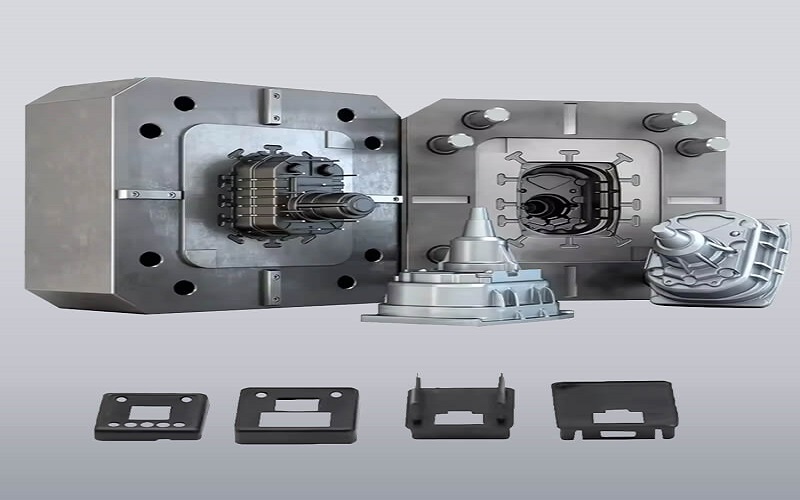
Prototype injection molding is particularly beneficial during various stages of product development when accurate, functional parts are needed quickly and cost-effectively.
It is ideal for situations where design validation, functional testing, and early market feedback are critical to the success of the product. Here are some specific scenarios where prototype injection molding is the preferred choice:
Design Validation and Functional Testing
Prototype injection molding facilitates comprehensive design validation by producing parts that closely mimic the final product in form, fit, and function. These prototypes enable functional testing, regulatory compliance checks, and performance assessments in real-world environments.
The ability to test complex geometries, thin walls, tight tolerances, and wear resistant features ensures that potential issues are identified and addressed before committing to full production tooling.
Low-Volume Production and Market Testing
Prototype injection molding supports low-volume production runs, making it suitable for pilot programs, market testing, and limited product launches. This helps companies gauge market response and gather user feedback without committing to large-scale manufacturing.
Complex Geometries and Material Testing
For parts with intricate features, thin walls, or requiring specific material properties such as glass-filled resins, prototype injection molding provides a reliable way to test manufacturability and material behavior early in the development process.
By choosing prototype injection molding at the right stages, companies can reduce development risks, improve product quality, and accelerate time-to-market effectively.
Conclusion
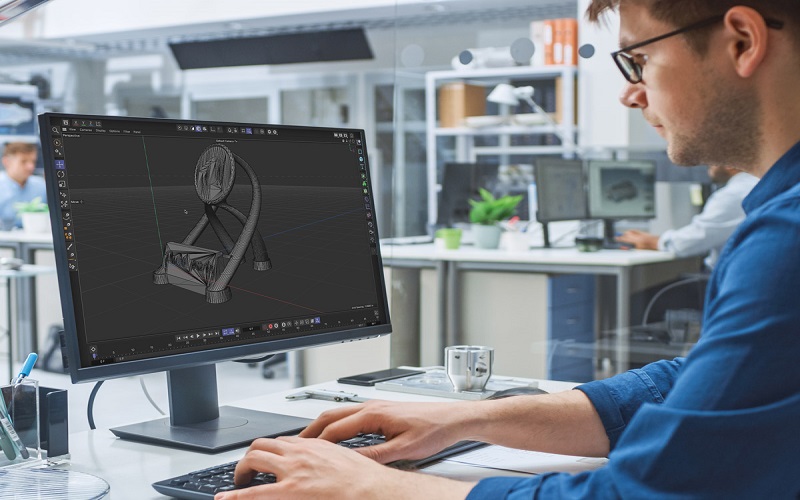
Prototype injection molding is a vital technique in modern product development that bridges the gap between initial design concepts and full-scale production.
By offering rapid, cost-effective tooling and the ability to produce functional prototypes using production-grade materials, it enables teams to validate designs accurately, identify issues early, and accelerate time-to-market.
Its flexibility for low-volume production and use as bridge tooling further enhances its value in iterative development cycles. Embracing prototype injection molding empowers companies to reduce risks, optimize product quality, and streamline the path from concept to market-ready products.