
Polypropylene (PP) Injection Molding
- Home
- > Blog
Polypropylene plastic is one of the most widely used thermoplastic polymers in injection molding worldwide.
Its outstanding combination of performance, affordability, and ease of processing makes it the preferred material for a vast range of products—from everyday consumer goods to high-demand automotive components.
In this guide, we explore PP injection molding through three essential lenses: material properties, optimized processing parameters, and common applications.
What Is Polypropylene (PP) Injection Molding?
Polypropylene injection molding is a manufacturing process where polypropylene plastic, a versatile thermoplastic polymer made from propylene monomers, is melted and injected into a mold cavity under high pressure to form solid polymer parts with the desired shape.
This process leverages polypropylene’s unique properties such as low melt viscosity, excellent chemical resistance, good impact resistance, and fatigue resistance, making it an excellent choice for producing durable and lightweight plastic components.
The process is highly efficient, enabling manufacturers to produce intricate details and complex shapes with minimal surface imperfections and reduced risk of sink marks.
PP injection molding is widely used across many industries due to its low cost, low density, and resistance to moisture absorption.
Common applications include packaging , automotive parts, consumer products, and various industrial applications.
Overall, polypropylene injection molding is a commodity plastic manufacturing method that balances cost-effectiveness with superior material properties, making it suitable for many applications where durability, chemical resistance, and lightweight components are essential.
Material Properties Of Polypropylene Plastic
Polypropylene is a versatile thermoplastic plastic with a semi-crystalline structure and a relatively high melt flow rate (MFR), making it an ideal material for plastic injection molding.
Compared with many other plastics, polypropylene has the following characteristics that make it dominant in the injection molding field:
Low Density And Weight
PP has a density of approximately 0.90–0.91 g/cm³, making it one of the lightest plastics, resulting in lighter products and lower transportation costs.
Low Melt Viscosity
Polypropylene’s low melt viscosity means that the molten plastic experiences less resistance during the injection molding process, allowing it to fill molds quickly and evenly, producing molded parts with intricate details and precise dimensions.
Good Chemical Resistance
Polypropylene plastic exhibits excellent resistance to many chemicals, especially acids, bases, and solvents, making it suitable for manufacturing parts that require chemical corrosion resistance.
High Melting Point
Polypropylene has a relatively high melting point, which makes it suitable for applications with certain heat performance requirements, allowing it to maintain structural stability at higher temperatures and prevent warping and deformation.
Excellent Fatigue Resistance
Polypropylene has outstanding fatigue resistance, making it especially suitable for manufacturing products that require repeated bending without breaking, such as living hinges.
Good Moisture Resistance
Polypropylene has an extremely low moisture absorption rate, typically less than 0.01% over 24 hours, which ensures stable performance in humid environments and reduces the impact of moisture.
Recyclable
PP is 100% recyclable, marked as #5 in the plastic recycling symbol system, which highlights its environmental friendliness and ease of reuse in various applications.
In summary, the polypropylene plasticinjection molding process combines these properties and processing advantages and is widely used in the automotive industry, packaging, consumer goods, and industrial components, meeting the demands for various complex and high-performance plastic products.
Design Tips For Polypropylene Injection Molding
When designing parts for polypropylene injection molding, several tips help ensure high-quality, durable components with minimal defects:
Uniform Wall Thickness
Polypropylene has a relatively high coefficient of thermal expansion, which makes it prone to shrinkage and warping during the cooling phase of the injection molding process. The ideal wall thickness for polypropylene parts generally ranges from 0.635 mm to 3.81 mm.
To minimize defects , it is important to design parts with gradual transitions between thin and thick wall sections and maintain uniform wall thickness throughout the component.
Radiu and Fillets
For polypropylene parts, the radius should be at least 25% of the wall thickness to reduce stress concentrations.
Larger radii, up to 75% of wall thickness, provide optimal stress distribution and improve the part’s durability.
Draft Angles
Polypropylene can be injection molded with a draft angle as low as one degree, but textured surfaces may require a draft angle of up to five degrees.
For filled polypropylene materials, draft angles up to 10 degrees might be necessary due to increased friction.
Living Hinges Design
Polypropylene’s excellent fatigue resistance makes it ideal for living hinges. These thin, flexible sections should have a thickness between 0.2 mm and 0.51 mm, with generous radii and “shoulders” to create flat recesses, enhancing hinge life and performance.
Tolerances
Tolerances for polypropylene parts can be either commercial or fine, with tighter tolerances increasing the cost of tooling and parts.
For example, a 20 mm polypropylene part typically has a commercial tolerance of 0.125 mm and a fine tolerance of 0.075 mm.
Preventing Sink Marks and Warping
Designers should avoid thick sections and sharp corners that can cause uneven cooling and sink marks. Proper gate placement and balanced material flow help reduce internal stresses and prevent warping.
By following these design tips, manufacturers can leverage polypropylene’s material properties to produce high-quality, reliable plastic components suitable for a wide range of applications.
PP Injection Molding Processing Conditions
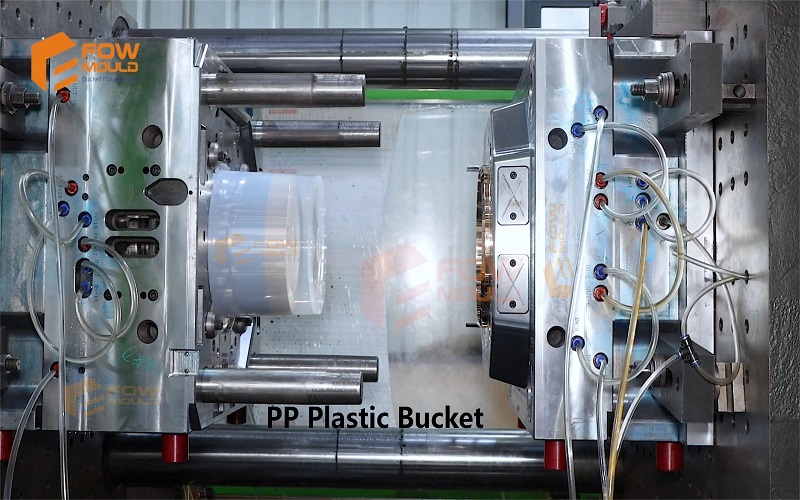
The polypropylene injection molding process involves several critical parameters to ensure part quality and production efficiency.
Polypropylene pellets typically do not require drying due to their low moisture absorption; however, additives or fillers may need to be dried before processing.
First, the injection molding temperature usually ranges between 220°C and 280°C to prevent thermal degradation. Proper temperature settings ensure the polypropylene melts uniformly and flows smoothly into the mold cavity.
Second, the injection pressure should be maintained between 5.5 MPa and 10 MPa to provide sufficient force to completely fill the mold cavity and produce parts with fine details.
Cooling time is another key factor that must be precisely controlled to ensure even solidification of the molten plastic, preventing warping and sink marks. The mold temperature is generally kept below 80°C to optimize cooling efficiency and facilitate part ejection.
Once the mold is filled, the molten polypropylene cools and solidifies into the desired shape. After solidification, the part is ejected from the mold, and the cycle restarts. The entire injection cycle can vary from 25 to 90 seconds, depending on the complexity and size of the part.
Additionally, adjusting injection speed and holding pressure based on part geometry and material grade can reduce internal stresses and improve dimensional accuracy.
By optimizing these processing conditions, manufacturers can produce high-quality polypropylene injection molded parts that meet strict performance and aesthetic standards.
Parameter | Recommended Range |
|---|---|
Injection Temperature | 220°C – 280°C |
Mold Temperature | ≤ 80°C |
Injection Pressure | 5.5 MPa – 10 MPa |
Holding Time | Depends on part complexity |
Cooling Time | 25 – 90 seconds |
Injection Speed | Moderate |
Note: This parameter table can serve as a reference for polypropylene injection molding design and production, helping to optimize the process, improve part quality, and increase production efficiency.
Limitations of Polypropylene Injection Plastic Components
Although polypropylene injection molding has many advantages, it also has certain limitations.
UV Sensitivity and Degradation
Polypropylene is prone to degradation under ultraviolet (UV) light exposure; prolonged sunlight exposure can cause the material to become brittle and its performance to deteriorate.
Therefore, UV stabilizers need to be added for outdoor applications, or alternative materials with better weather resistance should be selected.
Limited Solvent and High-Temperature Resistance
In addition, polypropylene has limited resistance to certain solvents and high-temperature environments, which may affect its use in specific industrial fields.
Its high coefficient of thermal expansion also makes molded parts prone to shrinkage and warping during the cooling process, requiring careful design and process control to prevent these issues.
Mitigation Through Formulation and Design
Nevertheless, through reasonable formulation adjustments and design optimizations, polypropylene can still meet most injection molding demands in indoor and general environments.
With continuous advancements in material technology, the performance and applicability of polypropylene injection molding continue to improve, making it an indispensable material in the field of plastic injection molding.
Applications Of Polypropylene Plastic Injection Molding
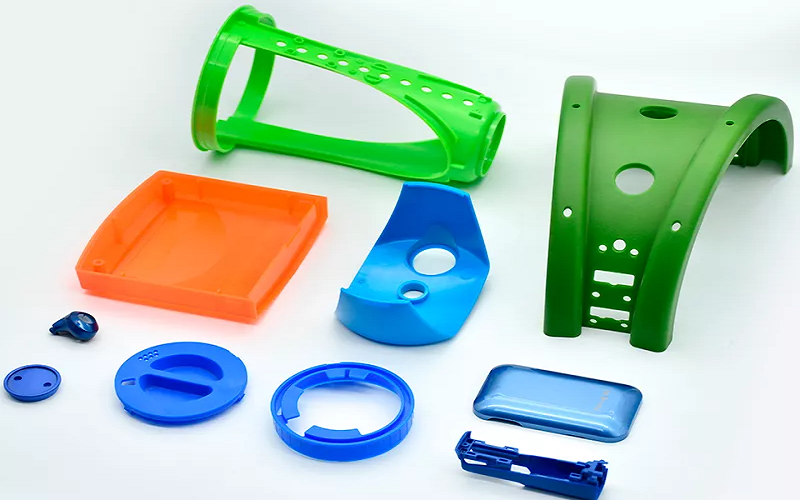
As of 2026, PP remains the second most widely used injection molding material.Polypropylene injection molding is ideal for producing complex shapes and is widely used in various industries for numerous applications, including automotive components, medical devices, and living hinges.
Automotive Parts: Polypropylene is commonly used to manufacture auto parts such as interior trims, bumpers, and dashboards, thanks to its lightweight and durable properties.
Food Containers: It is extensively used to produce food packaging and storage containers, offering excellent chemical and moisture resistance.
Medical Devices: In the medical field, polypropylene is utilized for products like disposable syringes and petri dishes due to its chemical resistance and sterilization capabilities.
Consumer Goods: Its low cost and ease of processing make polypropylene a popular choice for plastic parts in household appliances and everyday items.
Electronics: Polypropylene is used for electronic component housings, providing good electrical insulation.
Industrial Applications: It is applied in manufacturing electrical equipment and machinery parts, meeting demands for chemical resistance and fatigue durability.
Packaging Materials: Polypropylene is also used for bottle caps, films, and other packaging systems, valued for its moderate strength and stiffness.
Conclusion
In summary, the polypropylene injection molding process is highly favored for its outstanding cost-effectiveness.
It is not only low-cost, lightweight, and easy to process but also offers excellent durability and a wide range of applications, making it the preferred choice for most companies.
With its good chemical resistance, low friction characteristics, and excellent fatigue resistance, polypropylene injection molding meets the demands for high-performance plastic components across various industries such as automotive, packaging, medical, and electronics. It helps companies achieve efficient production and improved product quality.
Therefore, the polypropylene injection molding process holds an irreplaceable and important position in modern manufacturing.