
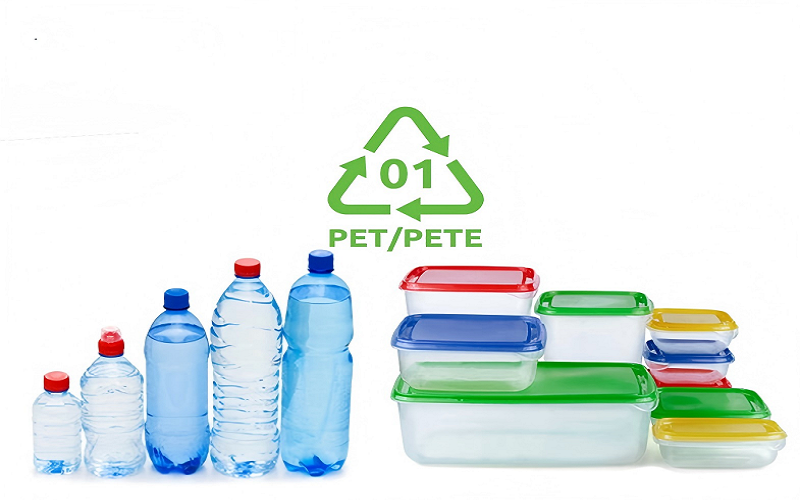
PET (polyethylene terephthalate) is a clear, strong, and lightweight plastic belonging to the polyester family, commonly used for food packaging , beverage containers, and personal care products.
This guide explores the properties, processing methods, applications, advantages, and environmental impact of PET plastic to provide a comprehensive understanding of this popular material.
What Is PET Plastic?
Polyethylene terephthalate (PET) is a polyester material highly favored in the beverage industry for its unique properties. It is commonly used to manufacture various types of bottles for packaging foods and beverages such as water, soft drinks, and juices.
PET is a thermoplastic polymer formed through a polymerization reaction between two monomers: ethylene glycol and terephthalic acid. This chemical reaction produces a strong, lightweight, and transparent material with excellent durability and impact resistance.
Its high transparency and strength make it an ideal choice for showcasing product contents. At the same time, it provides reliable moisture and gas barrier properties, helping to maintain food freshness and extend shelf life.
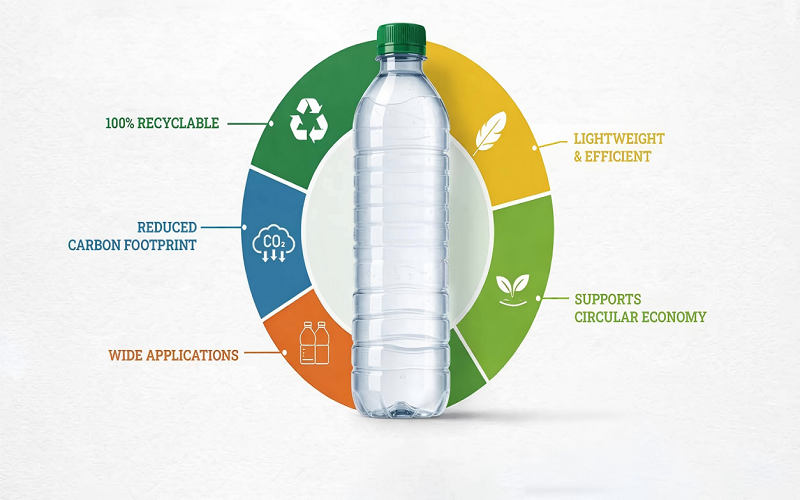
Compared to heavier alternatives like glass or aluminum, PET’s lightweight nature helps reduce transportation costs and environmental impact.
PET is one of the most widely recycled plastics worldwide. In many countries,PET bottles are accepted in virtually all recycling programs. Recycled PET (rPET) is used to produce new bottles, polyester fibers for textiles, and other packaging materials.
Beyond plastic packaging, PET is also widely used in the textile industry, where it is spun into polyester fibers for clothing and home furnishings. Additionally, it is used in manufacturing thermoplastic resins applied in automotive parts, electronics, and personal care products.
PET can also be chemically modified—for example, through glycol modification to produce PETG—allowing enhanced performance to meet the needs of various specialized applications.
In summary, with its combination of durability, high transparency, chemical resistance, and recyclability, PET plastic has become a multifunctional and sustainable material suitable for numerous products across diverse industries.
How Is PET Produced ?
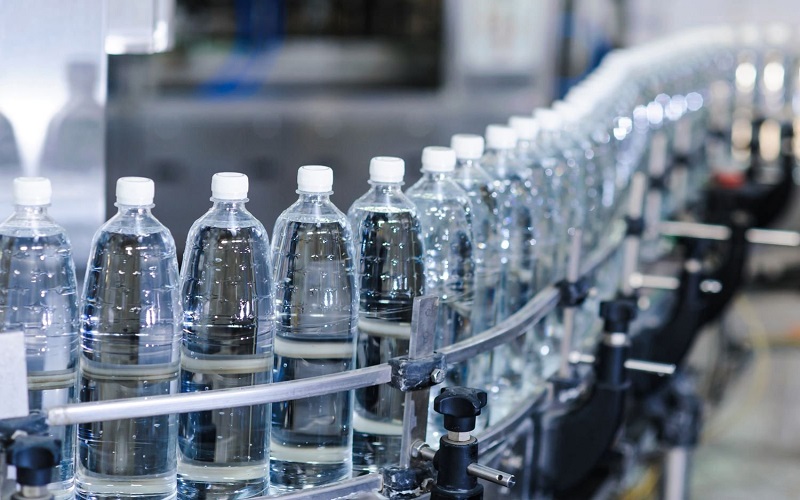
PET is primarily produced through a polycondensation reaction between terephthalic acid and ethylene glycol. This process includes transesterification and polycondensation reactions, ultimately forming high molecular weight polymer chains.
Strict control of temperature and pressure during production is essential to ensure that the molecular structure and physical properties of PET meet the desired standards.
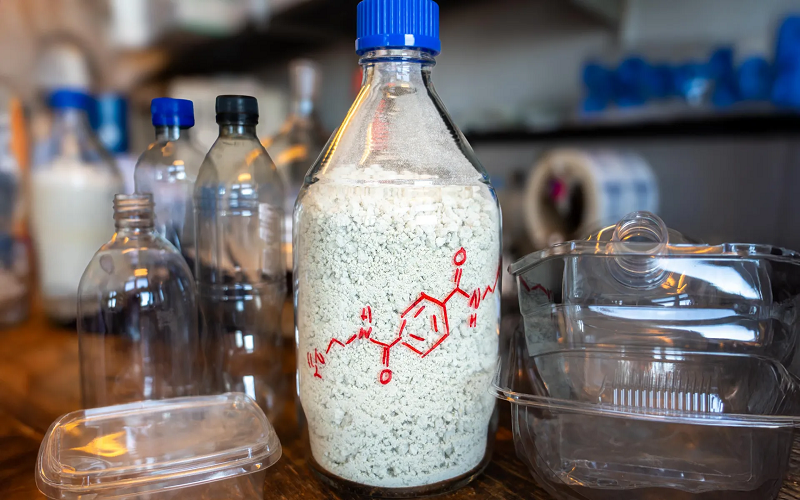
The manufactured PET pellets can then be processed into various plastic bottles, containers, and packaging materials through techniques such as PET injection molding and blow molding.
The entire production process focuses not only on the efficiency of the chemical reactions but also on the purity and uniformity of the material, which are critical for the final product’s transparency and mechanical strength.
In recent years, energy-saving technologies like solid-state polycondensation and continuous transesterification have been developed, alongside exploring chemical recycling methods such as depolymerization with acetic acid to enable PET waste recycling.
PET production mainly relies on refined crude oil and natural gas, emitting a significant amount of greenhouse gases during manufacturing; approximately three pounds of carbon dioxide are produced for every pound of PET. However, using recycled material and advanced production technologies can effectively reduce environmental impact.
By continuously optimizing production processes, PET materials can meet food safety standards and are widely used in bottled drinking water, food packaging, and other everyday PET containers and PET packaging products.
Properties Of PET Plastic Materials
Polyethylene terephthalate (PET) is a highly durable and versatile thermoplastic polymer known for its unique combination of properties.
Physical Properties
PET is generally a colorless transparent (amorphous) or milky white solid (crystalline), with a density of 1.3–1.4 g/cm³, refractive index of 1.655, transmittance of 90%, melting point of 265°C, and cold resistance down to -70°C.
It has excellent electrical insulation properties with little temperature influence but poor resistance to corona discharge.
Mechanical Properties
PET exhibits good creep resistance, fatigue resistance, abrasion resistance, and dimensional stability. It has low wear and high hardness, possessing the greatest toughness among thermoplastic plastics.
Thermal Properties
Regarding thermal properties, PET has a melting peak temperature around 250°C, allowing efficient processing during manufacturing. This thermal stability supports various forming and molding techniques used to create diverse PET products.
Quality control measures, such as thermal scans, ensure consistent crystallinity and performance in the final material.
Barrier Properties
Additionally, PET has excellent barrier properties against moisture and gases, which helps extend the shelf life of food and beverages.
This makes it highly resistant to contamination and helps preserve the freshness and flavor of food and beverage packaging, especially in bottled water and beverage bottles.
Chemical Resistance
Chemically, PET exhibits excellent resistance to weak acids and organic solvents, maintaining stability under normal usage conditions. However, it is less resistant to strong alkalis, concentrated acids, or prolonged exposure to hot water, which can compromise its integrity.
Exposure to certain solvents like chloroform may cause the material to turn white, indicating chemical degradation.
Recyclability
Moreover, PET is recyclable and plays a crucial role in the circular economy by enabling the reuse of materials in producing new beverage packaging and other linked units. Independently developed variations like PETG offer specialized properties but differ in recyclability compared to standard PET.
Its lightweight nature not only reduces transportation costs but also lowers the environmental footprint, making PET a highly sustainable choice in many industries.
PET’s excellent barrier and highly resistant qualities make it ideal for applications ranging from water bottles and seat belts to other materials requiring durability and safety.
Property | Typical Value |
|---|---|
Density | 1.3–1.4 g/cm³ |
Tensile Strength | 55–75 MPa |
Light Transmission | >90% (amorphous) |
Melting Point | 265°C |
Max Use Temp | 65°C (unfilled) |
Barrier (O₂/CO₂) | Good |
Recyclability | #1, 7–10× cycles |
Applications Of PET Plastic
Polyethylene terephthalate is widely used in various fields due to its excellent performance, including packaging, electronics, medical, and automotive industrial applications.
PET Packaging
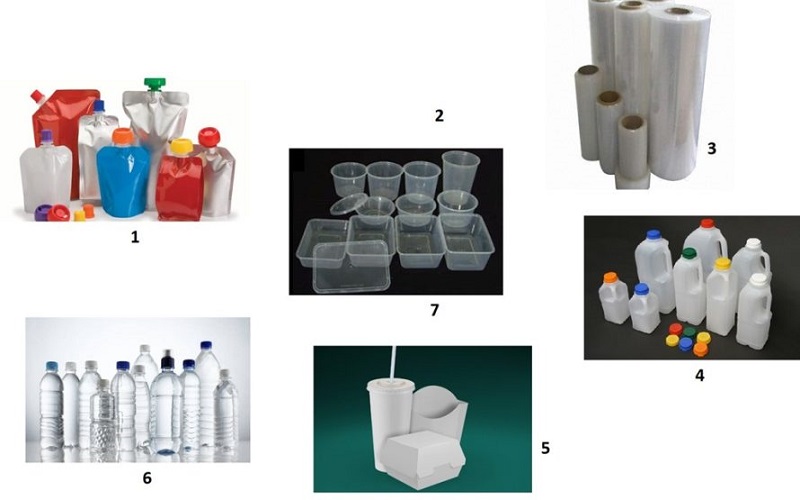
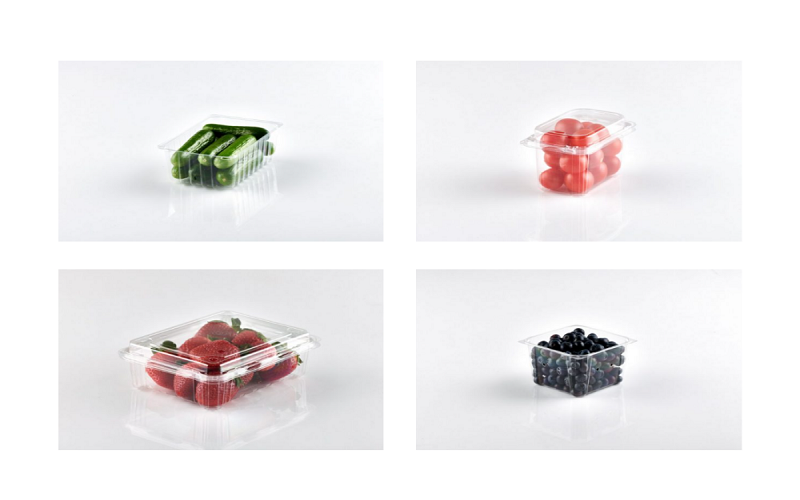
In the packaging industry, PET is predominantly used for beverage bottles, food containers, thermoformed packaging, personal care, and cleaning products such as clamshells and trays.
Its lightweight and shatterproof nature reduce transportation costs and minimize breakage, while its excellent barrier properties protect contents from moisture and gases, extending product shelf life.
Electronics Component
Beyond packaging, PET finds applications in the electronics sector where it is used to produce thermoplastic resins for components like housings and covers.
Automotive Parts
In the automotive industry, PET is compounded with glass fibers and crystallization accelerators to manufacture durable parts, including ignition system elements.
Medical Devices
The medical field benefits from PET’s chemical resistance and safety, employing it for containers and devices that require sterilization and biocompatibility.
Is PET Plastic Safe To Use?
Is PET Plastic Safe?This is an important question for many consumers. Generally, PET plastic is considered safe and suitable for use in food and beverage packaging.
It does not contain Bisphenol A (BPA)—a chemical of concern found in some plastics—and has been approved by regulatory agencies such as the U.S. Food and Drug Administration (FDA) for direct contact with food and beverages. This approval ensures that PET plastic meets strict safety standards for consumer use.
However, under certain conditions, the safety of PET plastic may raise concerns. For example, when PET plastic is exposed to high temperatures—such as during microwave heating or prolonged storage in hot environments—it may release trace amounts of chemicals, including catalysts used in its production, such as antimony.
Although the amounts released are usually below regulatory limits, exposure to high temperatures does increase the risk of such substances migrating into food or beverages.
Additionally, over time, PET plastic may release microplastics, especially when subjected to wear or environmental degradation. These microplastics can infiltrate water sources and ecosystems, raising environmental and health concerns.
To minimize potential risks, it is recommended to avoid exposing PET containers to extreme heat and to recycle them properly to reduce environmental impact.
Advantage Of PET Plastic
PET plastic has many advantages that make it popular in various industries.
Strength and Lightweight: It is strong yet lightweight, making products durable and easy to handle. This strength protects items like food and beverages during transport.
Transparency and Gloss: PET is clear and glossy, allowing customers to see the product inside, which helps sales.
Excellent Barrier Properties: It also blocks moisture, oxygen, and carbon dioxide well, keeping food fresh longer.
Food Safety: PET is safe for food contact, free of harmful chemicals like BPA, and approved by the FDA.
Recyclability: It is widely recycled, helping the environment by reducing waste and saving resources. Recycled PET can be made into new bottles, fabrics, and packaging.
Versatility in Manufacturing: PET can be shaped into many forms using different manufacturing methods, making it useful beyond packaging, such as in cars, electronics, and medical products.
Cost-Effectiveness: Lastly, PET is cost-effective and uses less energy to produce than glass or metal, making it a smart choice for mass production.
These benefits make PET a key material for future plastic innovations and sustainability.
Disadvantages Of Polyethylene Terephthalate
The main disadvantages of polyethylene terephthalate (PET) include:
Poor high-temperature resistance: PET plastic easily deforms at temperatures above approximately 65°C. Exposure to such heat can cause the material to lose its shape and potentially release harmful substances, including residual catalysts like antimony, which may migrate into food or beverages.
Susceptibility to chemical damage: While PET exhibits resistance to many plastics and chemicals, it can degrade through hydrolysis or other chemical reactions when exposed to high temperatures combined with strong acids or bases, reducing its mechanical strength and integrity.
Non-biodegradable and environmental persistence: PET is non-biodegradable and can persist in the environment for hundreds of years. Improper disposal leads to accumulation in landfills and contributes to microplastic pollution, which can infiltrate water sources and ecosystems, posing risks to wildlife and human health.
Potential chemical leaching: Under certain conditions, especially with prolonged storage or exposure to heat, PET may release trace amounts of monomer reacted substances or additives, which could contaminate the contents and pose health concerns.
Understanding these disadvantages is crucial for responsible use and disposal of PET products, as well as for developing improved materials and recycling technologies to mitigate environmental and health impacts.
The Recyclability Of PET Plastic
PET is one of the most recycled plastics worldwide and supports a circular economy. The recycling process starts with collecting and sorting PET bottles and containers, followed by cleaning to remove impurities. The PET is then shredded into flakes and washed.
Mechanical recycling melts these clean flakes and turns them into pellets for making new products like bottles, textile fibers, and packaging. This saves resources and reduces the need for new raw materials.
Chemical recycling breaks PET down into its original building blocks, such as ethylene glycol and terephthalic acid, allowing the creation of high-quality PET similar to new material.
Using recycled PET (rPET) saves energy and cuts greenhouse gas emissions compared to making PET from fossil fuels. It also helps reduce plastic waste in landfills and nature.
However, PET variants like PET-G can make recycling harder due to different properties, which can lower recycled PET quality if mixed.
Innovations such as the second thermal scan during recycling help ensure the material’s crystallinity and high strength are maintained, improving the quality and usability of recycled PET.
Overall, PET’s recyclability, combined with ongoing technological advancements and increased consumer awareness, positions it as a key material in the pursuit of sustainable plastic use and waste reduction.
Conclusion
PET is a versatile, durable, and lightweight plastic widely used in packaging, textiles, and various industries. Its excellent barrier properties, clarity, and recyclability make it a preferred material for food and beverage containers.
Despite its environmental challenges, such as non-biodegradability and potential chemical leaching, advances in recycling technologies and responsible use help mitigate these issues. Overall, PET remains a key material supporting sustainability and innovation in the plastics industry.