

Home > What Is The Strongest Plastic For Your Project ?
Share :
Share :
When choosing materials for your next project, strength and durability are often top priorities. Plastics have evolved significantly and now offer a range of options that combine toughness, chemical resistance, and heat resistance.
Whether you’re working in the automotive industry, construction sites, or manufacturing processes, knowing the strongest plastic materials available can help you select the best fit for your needs.
In this article, we’ll explore some of the toughest plastics that provide outstanding impact resistance, dimensional stability, and performance in extreme environments.
The strength and stiffness of plastics are primarily determined by their long, densely packed polymer chains. The molecular structure and the presence of reinforcements play a crucial role in enhancing a plastic’s mechanical strength and integrity.
High-performance plastics can be divided into amorphous and semi-crystalline polymers, each with distinct properties and applications.
Semi-crystalline plastics, such as PEEK and HDPE, provide increased rigidity and better resistance to deformation compared to amorphous plastics. These plastic materials are often favored in many industries for applications that demand superior mechanical performance and durability.
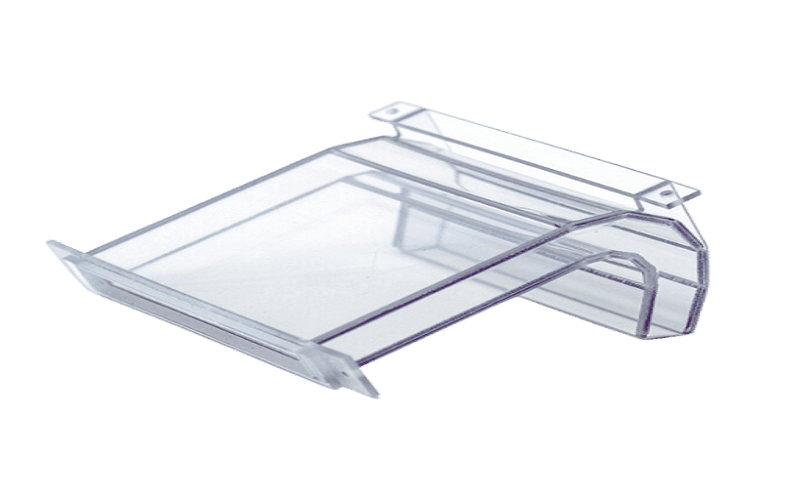
Amorphous plastics, on the other hand, are generally more transparent and easier to process but may have lower resistance to chemicals and heat. They are commonly used in applications where clarity and ease of molding are prioritized over maximum strength.
High-performance plastics meet higher requirements than other plastics due to their superior mechanical properties, thermal stability, and chemical resistance.
For example, a plastic with high tensile strength resists being pulled apart, while one with excellent impact resistance can absorb shocks and resist cracking or breaking under sudden forces.
Evaluating the strength of plastic materials requires considering multiple key performance indicators rather than relying on a single parameter. The main standards for assessing plastics from various dimensions such as strength, chemical resistance, and tensile strength are as follows:
Mechanical Strength
This includes tensile strength, compressive strength, and impact strength. Tensile strength measures the material’s ability to resist being pulled apart, compressive strength indicates its capacity to withstand pressure, and impact strength reflects the material’s toughness and resistance to cracking or breaking under sudden impact.
Chemical Resistance
The stability of plastics in various chemical environments, especially their resistance to corrosive substances such as acids, bases, and organic solvents. Plastics with strong chemical resistance are suitable for harsh environments and chemical equipment.
Thermal Stability
The ability of a material to maintain mechanical properties and structural integrity under high or extreme temperature conditions. High-performance plastics typically have higher continuous use temperatures and resistance to heat deformation.
Dimensional Stability and Stress Resistance
The capability of plastics to maintain size and shape when subjected to stress or temperature changes, avoiding deformation or cracking caused by stress concentration or thermal expansion and contraction. Good dimensional stability is a crucial indicator for manufacturing high-precision parts.
Wear Resistance and Low Friction Coefficient
The performance of plastics in friction and wear environments, especially for mechanical components. Wear resistance and friction coefficient directly affect service life and efficiency.
Transparency and Optical Properties
In some applications, the transparency and optical clarity of plastics are important indicators, such as in safety glasses and transparent protective shields.
By comprehensively considering the above indicators, one can more scientifically evaluate and select the strongest plastic materials best suited for specific project requirements.
When considering the strongest plastics, it’s important to recognize that various materials excel in different characteristics, making them suitable for countless applications across various industries.
Below is a list of some of the top contenders, highlighting their unique properties, typical uses, and why they are often the go-to choice for demanding projects.
Polyamide-imide is renowned for its exceptional high strength and high temperature resistance, maintaining mechanical integrity at temperatures up to 260°C.
Its high impact resistance and excellent chemical resistance make it a versatile material widely utilized in industrial applications such as aerospace components, electrical connectors, and automotive parts.
PAI’s durability and dimensional stability under stress contribute to its reputation as one of the strongest plastics available.
Known by the brand name Ultem, polyetherimide offers a high tensile strength of around 16,000 psi and good impact resistance. It withstands continuous high temperatures between 170°C and 200°C, making it suitable for medical devices, electrical connectors, and automotive components.
PEI’s good electrical properties and chemical resistance further enhance its utility in demanding environments.
PEEK is a semi-crystalline plastic prized for its high strength, excellent chemical resistance, and high temperature tolerance up to 250°C.
It is widely used in aerospace, medical implants, and industrial applications where durability and resistance to harsh chemicals are critical. Its high impact strength and wear resistance allow it to replace metal parts in many sectors.
Nylon, or polyamide, delivers good impact resistance and a tensile strength of about 12,000 psi. It is commonly found in automotive parts, consumer goods, and mechanical components due to its balance of high strength, wear resistance, and ease of processing. Nylon’s versatility and cost-effectiveness make it a popular choice for many manufacturers.
Polycarbonate plastic is commonly found in safety goggles, face shields, and electrical connectors because of its excellent impact resistance and optical clarity. With a tensile strength of approximately 9,500 psi, it serves as a versatile material for power tools, small appliances, and automotive parts.
Its high impact strength and ability to withstand high temperature conditions make it a durable option for protective gear and consumer goods.
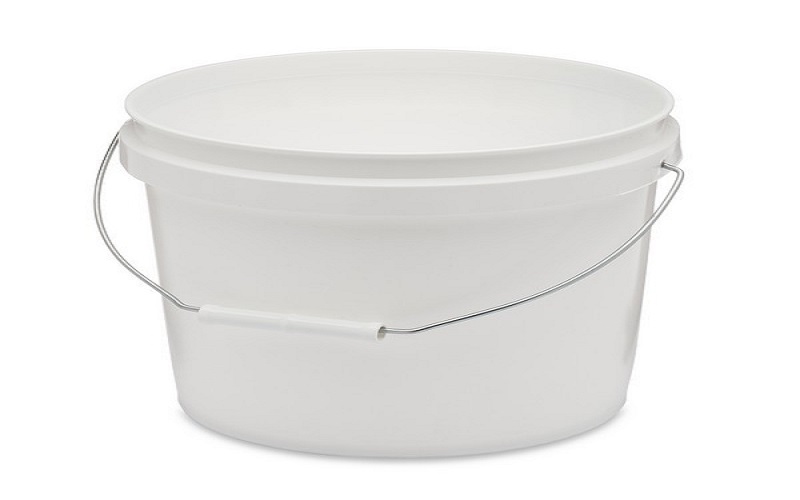
HDPE is a versatile material known for its good impact resistance, toughness, and chemical resistance. It is widely utilized in piping, plastic containers, and outdoor furniture.
Its high density and durability make it suitable for industrial applications requiring resistance to wear and environmental stress. HDPE is also valued for being an eco friendly option due to its recyclability.
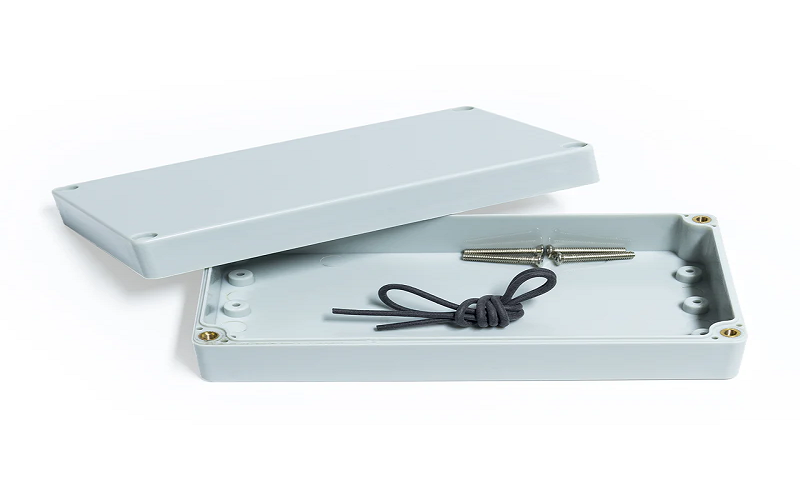
ABS plastic combines good impact resistance with ease of processing and reasonable cost. It is commonly found in consumer goods, automotive parts, and housings for power tools. ABS’s versatility and high impact strength make it a favored choice for applications where toughness and durability are required.
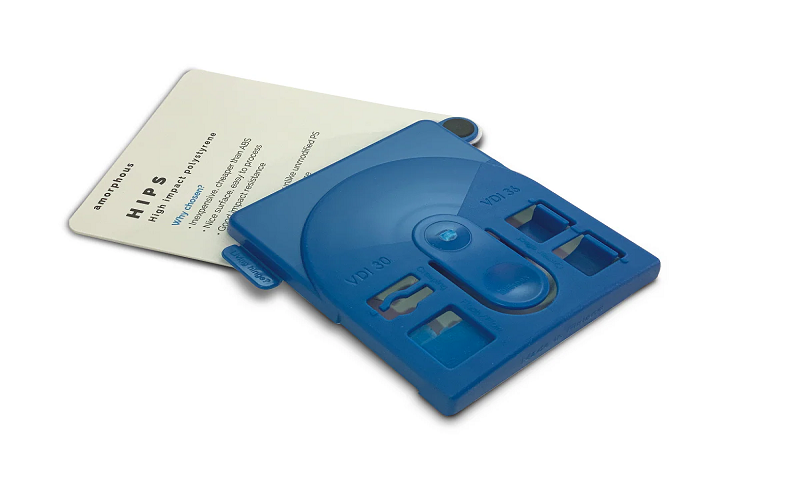
HIPS offers good impact resistance and fatigue resistance, making it suitable for electronics, consumer goods, and packaging. It is commonly found in small appliances and automotive parts. Despite being less eco friendly, HIPS is valued for its ease of fabrication and cost-effectiveness.
By understanding the benefits and expected performance of these plastics, manufacturers can select the strongest plastic materials that best serve their project needs, balancing factors such as cost, durability, and environmental impact.
Plastic Name | Tensile Strength (psi) | Impact Strength | Thermal Stability (Maximum Use Temperature) | Chemical Resistance | Typical Application Areas |
PAI | ~21,000 | Excellent | Up to 260°C | Excellent | Aerospace, Electrical Connectors, Automotive Parts |
PEI | ~16,000 | Good | Up to 170-200°C | Good | Medical Devices, Electronic Connectors, Automotive Components |
PEEK | ~14,000 | Excellent | Up to 250°C | Excellent | Aerospace, Medical, Industrial |
Nylon | ~12,000 | Good | Medium (~120°C) | Good | Apparel, Mechanical Parts, Automotive |
PC | ~9,500 | Excellent | Medium (~130°C) | Fair | Safety Glasses, Electronic Housings, Automotive Parts |
HDPE | ~5,000-9,000 | Good | About 120°C | Excellent | Pipes, Containers, Outdoor Furniture |
ABS | ~4,000-7,000 | Good | About 80-100°C | Good | Small Appliances, Automotive Parts, Toys |
HIPS | ~3,000-5,000 | Good | About 70-100°C | Fair | Electronics, Consumer Goods, Packaging |
Selecting the most suitable “strongest plastic” for your project requires a comprehensive consideration of multiple factors.
First, you need to clearly define your project’s specific requirements, including the working environment, mechanical loads, chemical exposure, and temperature range.
Different plastics have their own advantages in strength, heat resistance, chemical resistance, and processing performance. Choosing the wrong material may lead to insufficient performance or wasted costs.
Second, consider the plastic’s processing methods and molding techniques. Some high-performance plastics like PEEK and PAI, although outstanding in performance, are more difficult to process and more expensive, making them suitable for projects with extremely high performance demands and sufficient budgets.
In contrast, plastics such as ABS and PC are easier to mold and more cost-effective, making them ideal for mass production and general industrial applications.
Additionally, evaluating the durability and maintenance requirements of the plastic is important. For example, polycarbonate is widely used in safety protective equipment due to its excellent impact resistance and transparency, while HDPE is extensively applied in pipes and containers because of its chemical corrosion resistance and wear resistance.
Understanding how materials perform in real applications helps extend product lifespan and reduce maintenance costs.
Finally, market availability and sustainability are also factors that should not be overlooked when making your choice.
Some high-performance plastics have limited market supply and higher prices, whereas other materials like HDPE and ABS benefit from mature supply chains and lower environmental impact.
Combining your project budget and environmental requirements to select materials that align with market trends and sustainable development will help achieve long-term project success.
In summary, choosing the most suitable “strongest plastic” is not just about a single indicator but requires a comprehensive consideration of mechanical properties, processing techniques, durability, cost, and market factors.
Through scientific evaluation and reasonable trade-offs, you can find the best material solution for your project.
Please contact us using the form below or emailing (harry@fowmould.com)