
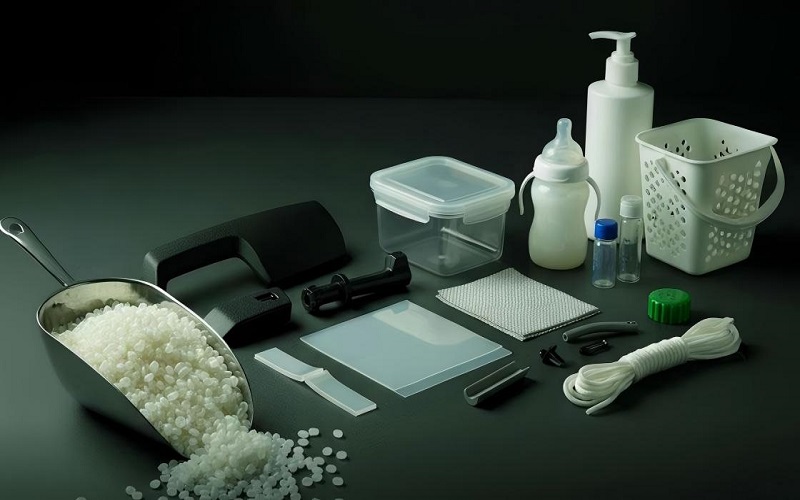
Polypropylene (PP) is a type of plastic found in many everyday products, from food containers and packaging materials to medical supplies and baby products.
With growing concerns about plastic safety and chemical exposure, many people wonder: is polypropylene safe for our health and the environment?
This article explores the properties of polypropylene, its safety profile, common applications, and potential risks, helping you make informed decisions about using polypropylene products in your daily life.
What Is Polypropylene (PP)?
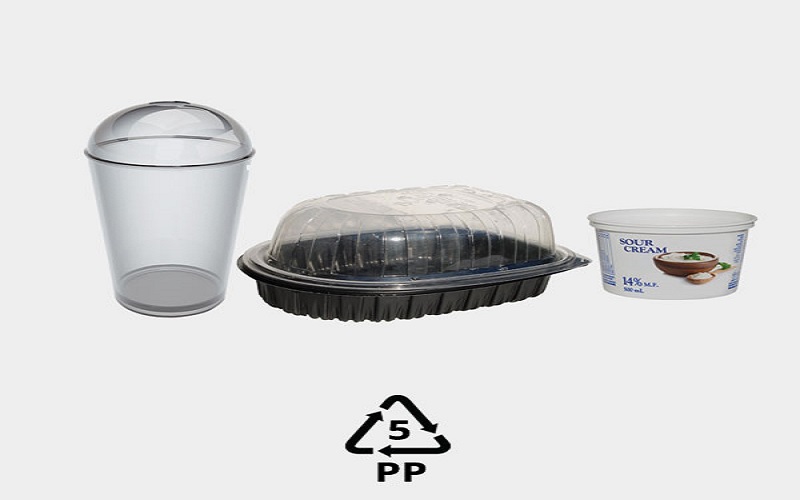
Polypropylene is a thermoplastic polymer made from petroleum-based compounds through a polymerization process, identified by recycling code number 5.
It has excellent mechanical strength, chemical resistance, and good heat resistance, allowing it to remain stable in high-temperature environments, which is why it is widely used in various fields.
PP material is lightweight yet strong, with excellent abrasion resistance and impact resistance. It does not absorb moisture, ensuring outstanding performance in various environments.
It’s FDA-approved for food contact, so you’ll find polypropylene in packaging materials, food storage containers, medical equipment, automotive parts, and consumer goods.
Its chemical structure enables it to resist many chemicals and high temperatures, making it suitable for products requiring high heat tolerance, such as microwave-safe plastic food containers and reusable containers.
Despite its many advantages, polypropylene plastic is not biodegradable and may persist in the environment for hundreds of years. However, it is recyclable, and increasing efforts are underway to improve polypropylene recycling rates and promote sustainable practices in its use and disposal.
Is Polypropylene BPA-Free?
Polypropylene is generally considered BPA-free. BPA is a harmful chemical commonly found in certain plastics,especially polycarbonate plastic and epoxy resins. It has raised concerns due to its potential negative effects on human health.
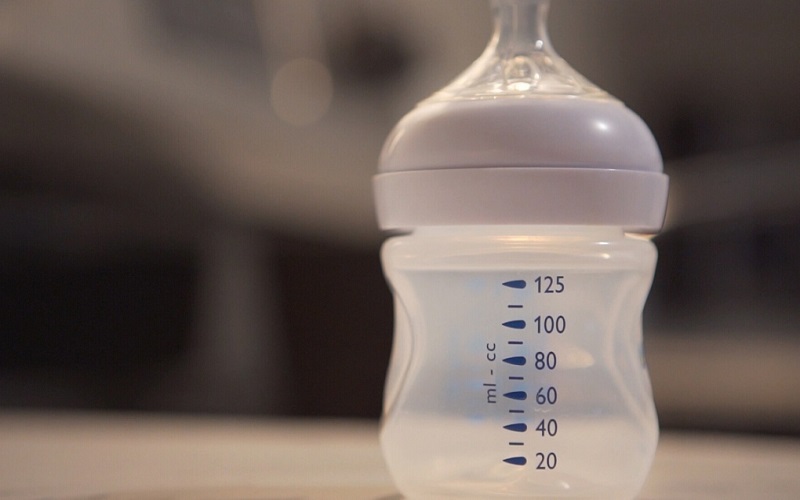
BPA is not used in the manufacturing process of polypropylene, making it a safer plastic choice, especially suitable for food contact materials such as yogurt containers, cream cheese tubs, and baby bottles.
Additionally, polypropylene is heat resistant and chemically stable, allowing it to withstand heating food in the microwave and cleaning in the dishwasher without releasing harmful substances. This makes polypropylene as food container material that hold yogurt, cream cheese, and butter products.
Overall, polypropylene, as a BPA-free plastic for plastic containers, is widely used in various everyday plastic products and is considered one of the safer plastic materials available on the market today.
Is Polypropylene Safe For Food Storage?
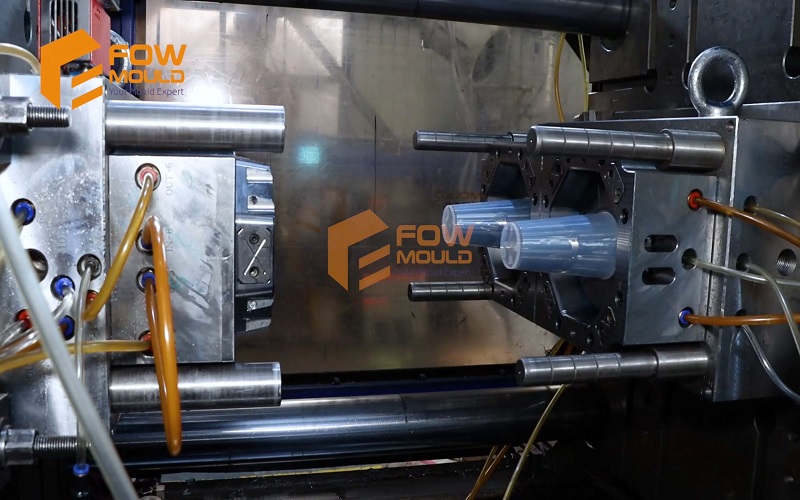
Polypropylene is generally considered safe for food storage containers, such as yogurt cups, butter tubs, and water bottles, due to its excellent heat resistance and chemical stability. Health agencies like the FDA and EFSA have approved polypropylene for food use and drink.
Additionally, polypropylene does not contain bisphenol A (BPA), making it an ideal material for baby bottles and other infant products.
However, although polypropylene is typically regarded as safe, there is a potential risk of small amounts of plastic additives leaching when exposed to extremely high temperatures or strong acidic foods.
Therefore, it is recommended to avoid using PP products that are cracked or heavily scratched to reduce bacterial growth and potential health risks.
Is Polypropylene Toxic To Humans?
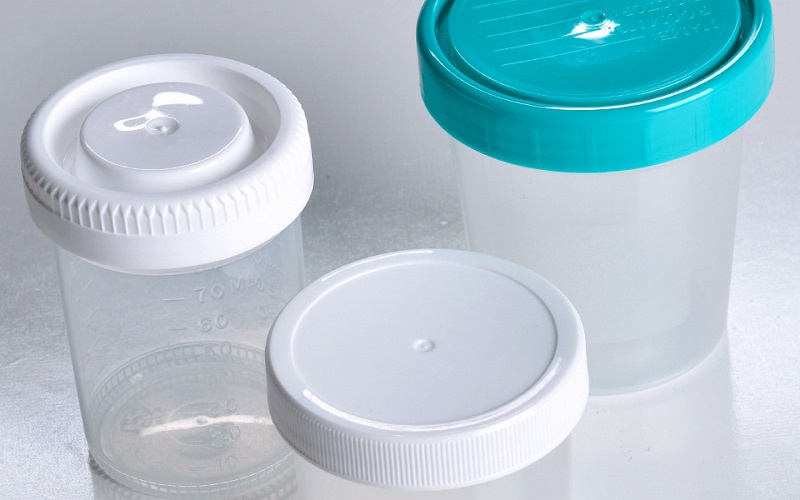
Polypropylene is a non-toxic plastic that does not release harmful chemicals and contains no carcinogenic substances. Its manufacturing process strictly adheres to safety standards, making it widely used in medical application, disposable syringes, and food packaging.
Although recent studies have raised concerns about the potential health impacts of polypropylene microplastics, evaluations by the International Agency for Research on Cancer (IARC) on propylene and polypropylene indicate that there is currently insufficient evidence to classify them as carcinogenic.
Therefore, polypropylene is considered one of the safest plastics, with no known cancer-causing effects.
Environment Impact Of Polypropylene Plastic
Although polypropylene plastic is considered non-toxic and safe for human use under normal conditions, its environmental impact should not be overlooked.
In the following content, we will explore the biodegradability issues of polypropylene, as well as its advantages and disadvantages as an eco-friendly material, helping readers gain a comprehensive understanding of polypropylene’s impact on the environment.
Is Polypropylene Biodegradable?
Polypropylene is a synthetic thermoplastic polymer that is difficult to biodegrade in natural environments, typically taking 200–400 years to decompose, and in some cases, up to 500 years.
Microorganisms cannot recognize polypropylene as food, so they lack the enzymes necessary to break it down. Additionally, polypropylene can release harmful substances like cadmium as it degrades, which is toxic to plants and animals.
Therefore, polypropylene waste may persist in landfills and natural environments for centuries, exacerbating plastic pollution problems.
Is Polypropylene Eco Friendly?
Although polypropylene is durable, lightweight, and recyclable, it is not entirely environmentally friendly. Its manufacturing process involves the use of fossil fuels and emits greenhouse gases, thereby contributing to climate change.
The manufacturing process of polypropylene contributes significantly to greenhouse gas emissions, with an estimated 1.3 billion tonnes of CO₂ expected to be released due to its widespread use.
Additionally, polypropylene has a low recycling rate, with only about 1% of polypropylene being recycled worldwide.
A large amount of discarded polypropylene ends up in landfills or scattered in the natural environment. However, recycling polypropylene can significantly save energy and reduce landfill waste.
Compared to some other plastics, polypropylene has a relatively lower carbon footprint during production; nevertheless, responsible use, recycling, and disposal are still crucial to minimize its environmental impact.
Safety Comparison of Polypropylene And Other Plastics
Compared to other materials, polypropylene stands out as one of the safest options for everyday use.
Unlike polycarbonate plastics that contain bisphenol A (BPA), polypropylene is free of BPA and does not release harmful chemicals under normal conditions.
Other plastics such as polystyrene and polyvinyl chloride (PVC) may contain additives like phthalates or vinyl chloride, which have raised health concerns.
Acrylonitrile butadiene styrene (ABS), while possessing excellent mechanical properties, is less commonly used in food contact applications due to potential risks from additives used in its manufacturing process.
Thanks to its excellent chemical resistance and stability, polypropylene effectively reduces the risk of chemical leaching even when exposed to heat or acidic foods; however, it is still recommended to avoid using polypropylene containers that are damaged or heavily scratched.
Besides its high safety, polypropylene also offers outstanding heat resistance, making it safe for use in microwaves and dishwashers. In contrast, some other plastics may deform or degrade under these conditions.
Moreover, polypropylene is lightweight and durable, making it suitable for a wide range of everyday items, from reusable containers to medical equipment.
Overall, polypropylene achieves a perfect balance between safety, durability, and versatility, often outperforming many other plastics used in the manufacture of everyday products. For consumers concerned about health and safety, polypropylene is undoubtedly a reliable and trustworthy choice.
Performance Parameter | Polypropylene (PP) | Polycarbonate (PC) | Polystyrene (PS) | Acrylonitrile Butadiene Styrene (ABS) |
|---|---|---|---|---|
Chemical Resistance | Excellent | Moderate | Poor | Good |
Heat Resistance | High (microwave safe) | High | Low | Moderate |
Mechanical Strength | Good | Excellent | Brittle | Excellent |
Weight | Light | Heavy | Light | Moderate |
Contains BPA | No | Yes | No | No |
Biodegradability | Non-biodegradable | Non-biodegradable | Non-biodegradable | Non-biodegradable |
Recycling Code | 5 | 7 | 6 | 7 |
Conclusion
In summary, polypropylene is generally safe and versatile plastic widely used in food containers, medical supplies, and everyday products.
It is BPA-free, heat-resistant, and approved by health authorities for food contact, making it a reliable choice for consumers.
While it is not biodegradable and has environmental impacts, ongoing recycling efforts and sustainable practices aim to reduce its footprint.
Overall, polypropylene balances safety, durability, and practicality, making it a trusted material in many applications.