
Ethylene-vinyl acetate (EVA) injection molding is an advanced manufacturing technology widely used across multiple industries.
With its excellent softness, durability, and lightweight characteristics, EVA injection molding can efficiently produce a variety of high-quality products, ranging from safety equipment to electronic protective cases and children’s toys, meeting diverse project demands.
This article will delve into the EVA injection molding process, material properties, application areas, and design considerations, helping readers gain a comprehensive understanding of this key technology and its important role in modern manufacturing.
Properties Of EVA Material
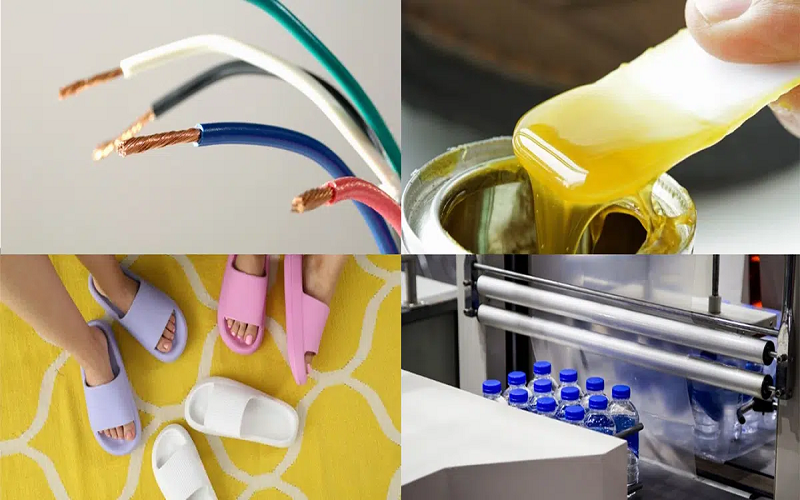
EVA is a copolymer material with a variety of excellent properties. It is known for its softness, flexibility, and durability, making it widely used in injection molding processes.
EVA material is lightweight and 100% waterproof, with excellent resistance to UV light and chemicals, making it ideal for outdoor use and various challenging environments.
Additionally, EVA’s high tensile and tear strength ensure the durability and longevity of the products. Its flexibility allows products to conform well to the shape of the user, providing a comfortable experience.
EVA also exhibits good biocompatibility, making it suitable for medical devices, orthopedic insoles, and prosthetics. By adding foaming agents, the production cost and material consumption of EVA are reduced, resulting in lighter products.
Furthermore, EVA’s hardness and color can be adjusted according to requirements, offering broad range for product design.
Overall, EVA material, with its outstanding performance and diverse application prospects, has become an indispensable key material in the field of injection molding.
EVA Injection Molding Process
The EVA injection molding process begins with blending EVA resin pellets with specific additives to tailor the material’s properties to meet different application requirements.
Then, the molten EVA is injected into the mold cavity under high temperature and high pressure conditions, precisely forming the desired shape. After cooling and solidification, the product is removed from the mold, completing the injection molding process.
This process supports high-volume production, featuring short automated molding cycles and stable quality, and is widely used across multiple industries.
By adjusting the formulation and process parameters, manufacturers can produce components with varying hardness and flexibility to meet diverse performance needs.
Additionally, the EVA injection molding process requires strict temperature control to ensure smooth product surfaces and stable physical properties.
Overall, the EVA injection molding process is characterized by short molding cycles and a high degree of automation, enabling manufacturers to create high-quality products with excellent performance and diverse designs.
Advantages Of EVA Injection Molding
EVA injection molding has many advantages:
Cost-Effective
It allows fast, efficient mass production, reducing time and labor costs.
Safe and Eco-Friendly
EVA resin is recyclable, non-toxic, and free from harmful plasticizers, making it safe for children’s toys, medical devices, and food packaging.
Soft and Comfortable
EVA provides excellent cushioning and shock absorption, enhancing comfort, making it perfect for active footwear..
Energy-Efficient and High Quality
The process is highly automated, ensuring consistent quality while saving energy compared to traditional methods.
Durable and Resistant
EVA products resist chemicals and water, making them suitable for harsh environments and long-lasting use.
Overall, EVA injection molding is a cost-effective and eco-friendly manufacturing solution ,supports high-volume production with consistent quality due to its short, automated molding cycles.
Applications of EVA Injection Molded Parts
The EVA injection molding process is a widely adopted production process known for its versatility and efficiency. It plays a critical role across industries such as footwear, automotive, electronics, and toys, enabling the mass production of high-quality, durable products tailored to specific needs.
Footwear Industry
EVA foam injection molding is extensively used in the footwear industry, particularly for producing lightweight, shock-absorbing shoe soles and sandals. Its cushioning properties and flexibility provide superior comfort and performance, making it ideal for athletic and casual footwear.
Automotive Industry
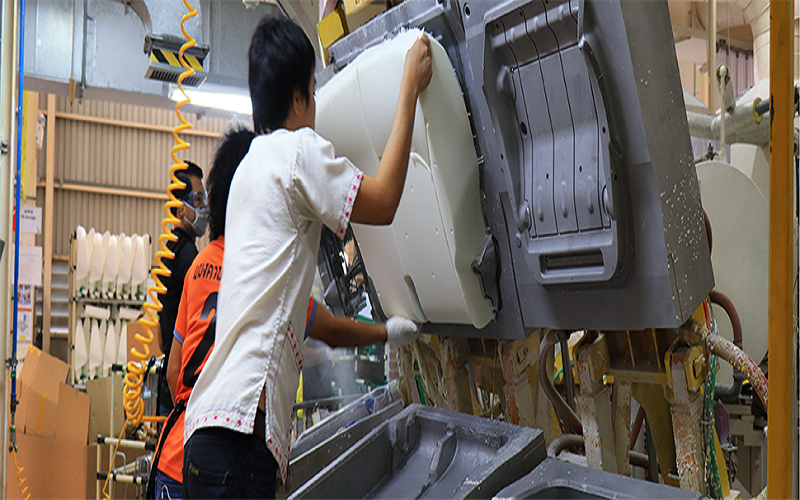
In the automotive sector, EVA molded parts are utilized for interior components such as seat cushions, armrests, and headrests. These components benefit from EVA’s impact resistance and buoyant nature, improving passenger comfort while contributing to overall vehicle safety.
Electronics and Packaging
EVA’s chemical resistance and lightweight characteristics make it suitable for protective packaging and electronic device cases. Its ability to absorb shock helps safeguard delicate components during shipping and daily use.
Medical Applications
Due to its biocompatibility and flexibility, EVA is used in medical devices, prosthetics, and orthopedic insoles. The material’s comfort and durability enhance patient experience and device performance.
Sporting Goods
EVA injection molding is popular for manufacturing protective sports equipment such as helmets, knee and elbow pads, and shin guards. Its softness and shock absorption capabilities help reduce injury risk while maintaining durability.
Overall, the broad range of applications demonstrates EVA injection molding’s ability to maufacture products that meet diverse industry demands with high quality and efficiency.

Considerations Of Using EVA Foam Injection Molding To Create Products
When using EVA foam injection molding technology to manufacture products, several key factors must be fully considered to ensure that the final product meets the expected quality and performance standards.
First, material selection is a crucial aspect. Different applications require varying hardness, flexibility, and durability of EVA materials. By properly selecting and adjusting the ratio of ethylene-vinyl acetate copolymer and additives, optimal performance can be achieved.
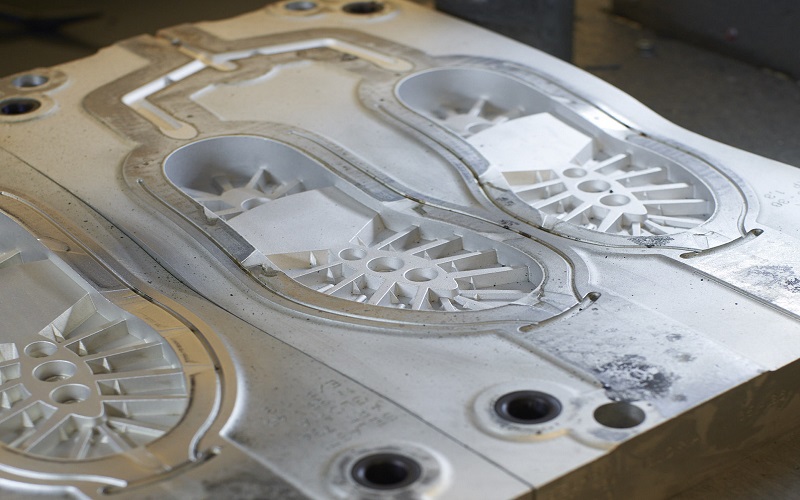
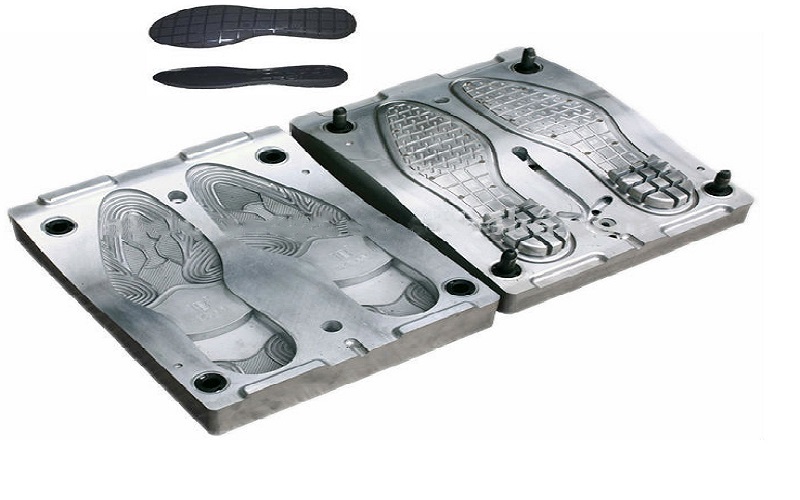
Second, mold design directly affects the product’s precision and appearance. Using mandrel-structured EVA molds enables efficient and precise EVA foam injection molding.
Moreover, injection molding process parameters such as temperature, pressure, and injection speed must be strictly controlled to ensure the molten EVA foam material fills the mold cavity evenly, avoiding bubbles and defects.
The cooling and demolding stages are equally important. Custom cooling fixtures help reduce cooling shrinkage, ensuring dimensional accuracy and surface quality of the product.
Finally, post-processing steps such as trimming and surface treatment are key to enhancing product quality. By comprehensively considering these factors, manufacturers can efficiently produce EVA foam injection molded products that meet market demands and exhibit excellent performance.
Conclusion
In summary, EVA injection molding stands out in the modern injection molding field due to its superior material properties and excellent environmental and safety performance.
It not only achieves integrated molding of complex shapes and efficient production but also perfectly combines outstanding cushioning and shock absorption with ergonomic comfort.
Widely applied in midsole soles of sports shoes, protective equipment, outdoor products, children’s toys, and industrial packaging, it provides users with a safer, more comfortable, and durable experience.
Choosing EVA injection molding means choosing the perfect balance of lightness, elasticity, safety, environmental friendliness, and long-lasting durability.